
 EN
EN
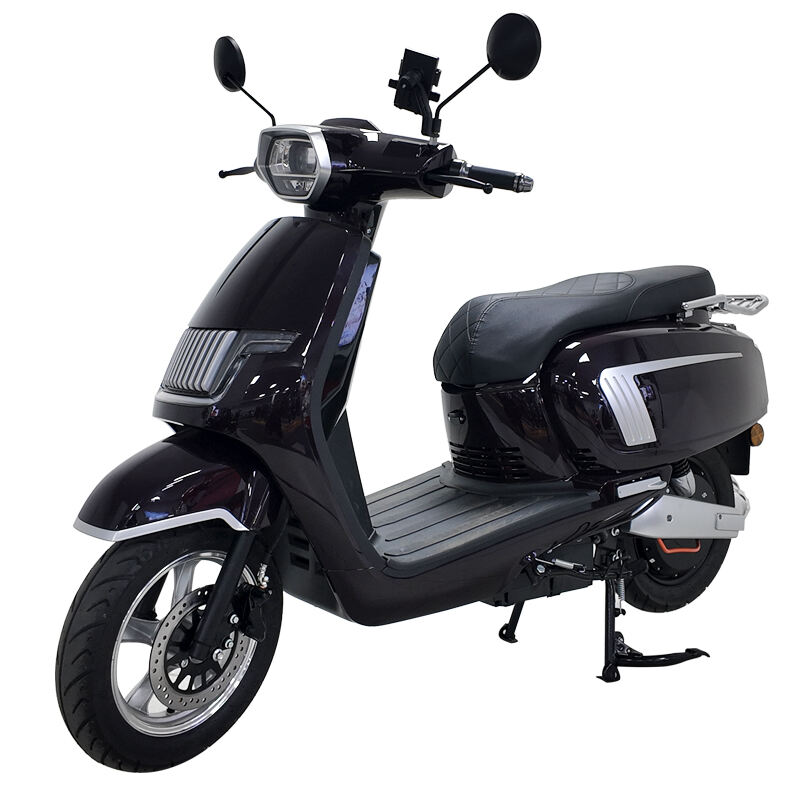
Urban transportation is undergoing a revolutionary transformation as cities worldwide grapple with increasing congestion, environmental concerns, and the need for efficient mobility solutions. The escooter has emerged as a game-changing vehicle that addresses multiple challenges facing modern urban dwellers. From reducing carbon footprints to providing cost-effective alternatives to traditional transportation, these innovative vehicles are reshaping how people navigate crowded city streets. As metropolitan areas continue to expand and traffic congestion worsens, the escooter represents a practical solution that combines convenience, sustainability, and economic efficiency in one compact package.
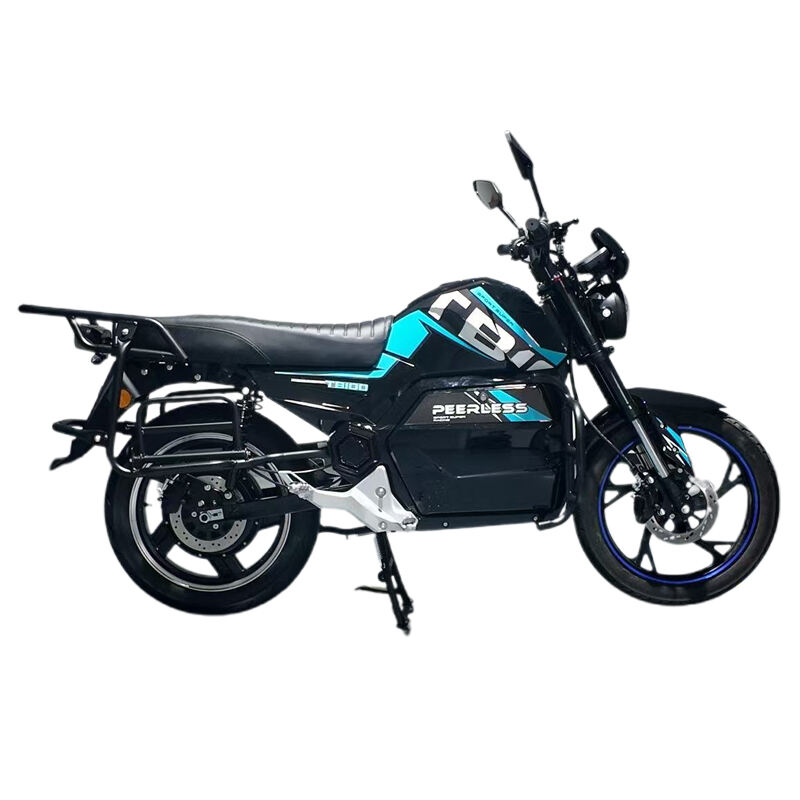
The Rise of Electric Personal Mobility
Market Growth and Adoption Trends
The global escooter market has experienced unprecedented growth over the past decade, with sales figures reaching new heights year after year. Industry analysts project continued expansion as consumers increasingly recognize the benefits of electric personal transportation. Major metropolitan areas across North America, Europe, and Asia have witnessed surge in escooter adoption, driven by changing commuter preferences and supportive urban policies. This rapid growth reflects a fundamental shift in how people perceive short-distance urban travel.
Consumer demographics reveal that escooter users span diverse age groups and professional backgrounds, indicating broad market appeal beyond early technology adopters. Young professionals particularly embrace these vehicles as primary transportation methods for daily commutes, while students utilize them for campus navigation and city exploration. The versatility of the escooter makes it suitable for various urban scenarios, from first-mile and last-mile connectivity to complete short-distance journeys.
Technological Advancements Driving Popularity
Modern escooter designs incorporate cutting-edge battery technology, lightweight materials, and sophisticated control systems that enhance user experience significantly. Lithium-ion batteries now provide extended range capabilities, allowing riders to travel substantial distances on single charges. Advanced regenerative braking systems not only improve safety but also contribute to energy efficiency by recovering power during deceleration. Smart connectivity features enable users to monitor battery status, track routes, and access maintenance information through dedicated mobile applications.
Manufacturing innovations have resulted in more durable and weather-resistant escooter models that withstand daily urban use. Improved suspension systems provide smoother rides over varied terrain, while enhanced motor efficiency delivers consistent performance across different riding conditions. These technological improvements have addressed many early concerns about reliability and practicality, making the escooter a viable long-term transportation solution for urban residents.
Environmental Impact and Sustainability Benefits
Carbon Footprint Reduction
The environmental advantages of escooter adoption are substantial and measurable, particularly when compared to traditional fossil fuel-powered vehicles. Studies demonstrate that replacing short car trips with escooter journeys can reduce individual carbon emissions by up to 80 percent for equivalent distances. This reduction becomes even more significant when considering the cumulative effect of widespread escooter adoption across urban populations. Cities implementing comprehensive electric mobility strategies report noticeable improvements in air quality metrics.
Life-cycle analyses reveal that while escooter manufacturing does involve some environmental costs, the operational phase generates virtually zero direct emissions. When powered by renewable energy sources, the overall environmental impact approaches carbon neutrality. Progressive cities are investing in green charging infrastructure, further enhancing the sustainability profile of electric personal mobility solutions. The escooter represents a practical step toward achieving municipal climate goals and reducing urban pollution levels.
Resource Efficiency and Urban Planning
Beyond direct emissions reduction, escooter adoption contributes to more efficient urban resource utilization and improved city planning outcomes. These compact vehicles require minimal parking infrastructure compared to automobiles, freeing up valuable urban space for alternative uses such as green areas, pedestrian zones, or commercial development. The reduced demand for parking facilities can significantly impact urban development costs and land use optimization strategies.
Traffic flow improvements resulting from increased escooter usage benefit all road users by reducing congestion-related delays and fuel consumption. Studies indicate that even modest shifts from car usage to escooter transportation can produce measurable reductions in peak-hour traffic density. Urban planners increasingly recognize electric personal mobility as an integral component of sustainable transportation networks that support both environmental goals and quality of life improvements.
Economic Advantages for Urban Commuters
Cost Comparison with Traditional Transportation
The economic benefits of escooter ownership become apparent when comparing total transportation costs over extended periods. Initial purchase prices have decreased significantly as manufacturing scales increase and technology matures, making these vehicles accessible to broader consumer segments. Operating costs remain remarkably low, with electricity expenses representing a fraction of gasoline costs for equivalent travel distances. Maintenance requirements are minimal compared to internal combustion vehicles, further reducing long-term ownership expenses.
Public transportation costs can accumulate substantially over months and years, particularly in cities with premium fare structures. Regular escooter users often recover their initial investment within six to twelve months when replacing daily public transit usage. Insurance costs for personal electric vehicles are typically lower than automobile coverage, and many jurisdictions do not require special licensing or registration fees for escooter operation.
Time Savings and Productivity Benefits
Time efficiency represents another compelling economic argument for escooter adoption, particularly in congested urban environments where travel speed advantages translate directly to productivity gains. Unlike public transportation, escooter travel eliminates waiting times, route restrictions, and schedule dependencies that can significantly impact daily routines. Direct point-to-point navigation capabilities often result in shorter overall journey times compared to multi-modal transportation combinations.
Professional users frequently cite improved work-life balance as an indirect economic benefit of escooter commuting. Reduced commute stress and increased schedule flexibility can contribute to enhanced job performance and career advancement opportunities. The ability to avoid parking fees, tolls, and fuel costs while maintaining transportation independence provides significant financial advantages for urban professionals across various income levels.
Safety Features and Urban Infrastructure Integration
Advanced Safety Technologies
Modern escooter designs incorporate comprehensive safety systems that address many concerns associated with urban electric vehicle operation. LED lighting systems provide enhanced visibility during low-light conditions, while reflective materials improve recognition by other road users. Advanced braking systems combine electronic and mechanical components to ensure reliable stopping power across various weather conditions and surface types.
Stability control systems help prevent accidents by monitoring riding conditions and providing automatic adjustments to maintain balance and traction. Some premium escooter models include collision detection sensors and automatic emergency braking capabilities. Smartphone integration allows riders to share location information with emergency contacts and access real-time safety alerts about traffic conditions or route hazards.
Infrastructure Development and Policy Support
Cities worldwide are developing dedicated infrastructure to support safe escooter integration with existing transportation networks. Protected bike lanes, designated parking areas, and charging stations are becoming standard features of modern urban planning initiatives. Traffic signal timing adjustments and intersection design modifications help accommodate mixed-mode transportation scenarios that include electric personal vehicles.
Regulatory frameworks are evolving to balance escooter accessibility with public safety requirements. Speed limits, helmet requirements, and operational guidelines vary by jurisdiction but generally reflect recognition of these vehicles as legitimate transportation options. Progressive policies encourage escooter adoption through incentive programs, tax benefits, and integration with public transportation systems.
Future Trends and Technological Evolution
Battery Technology and Range Improvements
Ongoing developments in battery chemistry and energy density promise to extend escooter range capabilities significantly while reducing charging times and overall vehicle weight. Solid-state battery technology represents a particularly promising advancement that could revolutionize electric personal mobility by providing faster charging, longer life cycles, and improved safety characteristics. Research initiatives focus on developing batteries that can support longer commutes and multi-day usage without frequent charging requirements.
Wireless charging technology integration could eliminate the need for physical charging connections, allowing escooter users to charge their vehicles simply by parking over designated charging pads. Solar panel integration represents another frontier that could provide supplementary power generation during daylight hours. These technological advances will further enhance the convenience and practicality of escooter ownership for urban transportation applications.
Smart City Integration and Connectivity
Future escooter models will likely feature enhanced connectivity with smart city infrastructure, enabling optimized routing based on real-time traffic data, weather conditions, and air quality measurements. Integration with municipal systems could provide automatic parking guidance, dynamic pricing for charging services, and coordinated traffic management that prioritizes electric vehicle movement during peak congestion periods.
Artificial intelligence applications will enable predictive maintenance scheduling, personalized performance optimization, and advanced safety features that adapt to individual riding patterns and environmental conditions. Fleet management systems for shared escooter services will become increasingly sophisticated, providing better availability predictions and more efficient distribution strategies that serve diverse urban neighborhoods equitably.
FAQ
What is the typical range of a modern escooter on a single charge
Most contemporary escooter models provide ranges between 15 to 40 miles per charge, depending on battery capacity, rider weight, terrain, and weather conditions. Premium models with larger batteries can achieve ranges exceeding 50 miles, making them suitable for longer commutes and extended urban exploration. Factors such as riding speed, acceleration patterns, and use of regenerative braking significantly impact actual range performance.
How long does it take to fully charge an escooter battery
Charging times vary based on battery size and charger specifications, but most escooter batteries reach full capacity within 3 to 8 hours using standard charging equipment. Fast-charging capabilities available on some models can reduce charging time to 2-4 hours. Many users find that overnight charging easily accommodates daily usage patterns, while portable chargers enable top-off charging during work hours or extended trips.
Are escooters legal to ride in bike lanes and on public roads
Escooter regulations vary significantly by location, but many jurisdictions permit their use in bike lanes and on roads with speed limits below 35 mph. Some cities require helmets, registration, or insurance, while others have minimal regulatory requirements. Riders should verify local laws and regulations before operating an escooter on public roads, as enforcement and penalties can vary substantially between municipalities.
What maintenance is required for escooter ownership
Regular escooter maintenance includes tire pressure monitoring, brake adjustment, battery care, and periodic cleaning of electrical components. Most models require minimal mechanical maintenance compared to gasoline vehicles, with primary focus on battery health preservation through proper charging practices. Annual professional inspections can identify potential issues early, while basic maintenance tasks like tire replacement and brake pad changes can often be performed by owners with basic mechanical skills.