
 EN
EN
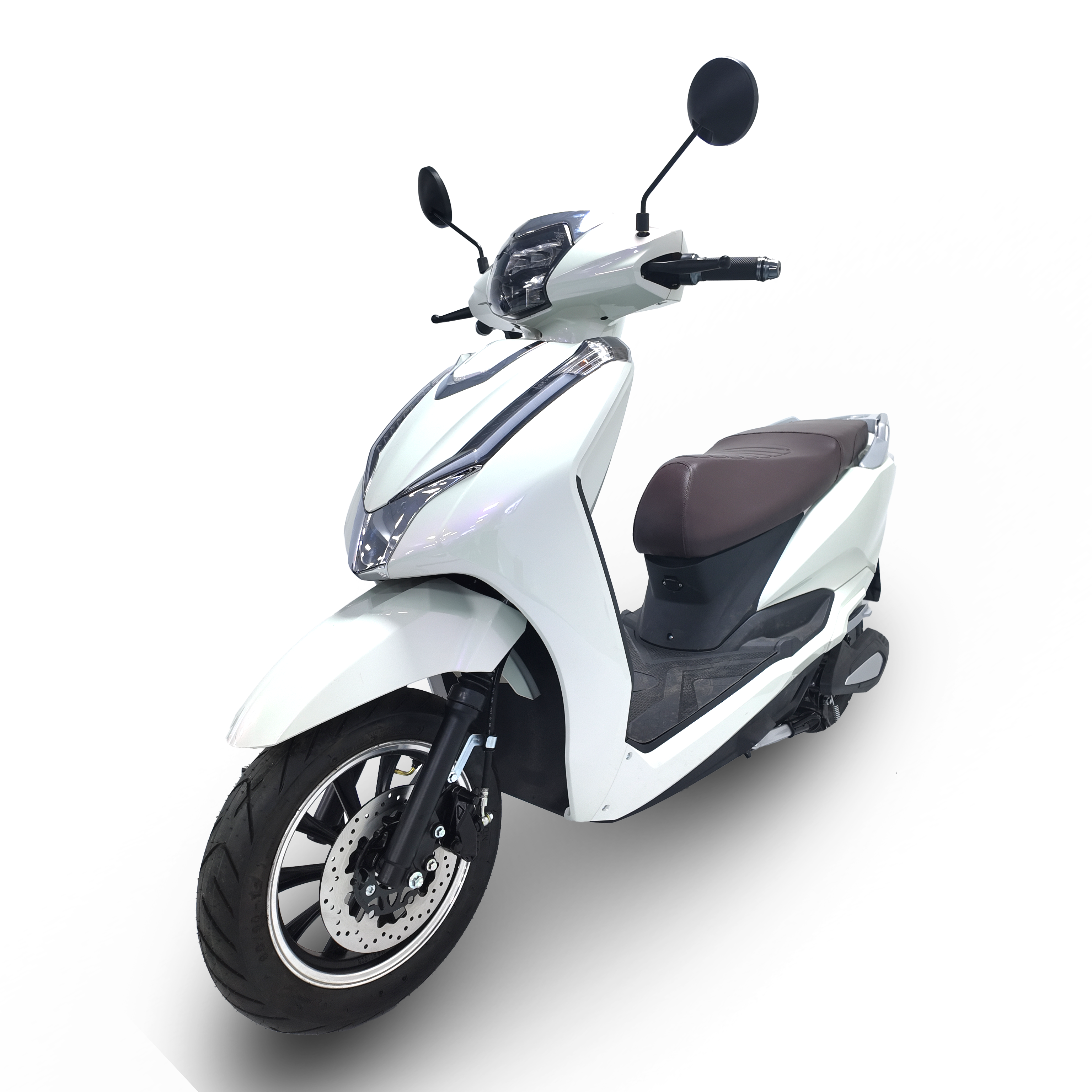
Electric mobility has revolutionized urban transportation, with modern escooter technology leading the charge in sustainable and efficient travel solutions. As more professionals and commuters embrace this innovative mode of transport, understanding the critical safety features becomes paramount for making informed purchasing decisions. The escooter market has evolved significantly, incorporating advanced safety technologies that protect riders while maintaining the convenience and agility these vehicles are known for.

The rapid adoption of escooter technology across business districts and urban centers has created a demand for enhanced safety standards that go beyond basic functionality. Modern escooter designs now incorporate sophisticated engineering approaches that address common safety concerns while maintaining optimal performance characteristics. These safety innovations have become essential differentiators in a competitive market where reliability and user protection are primary considerations for both individual users and fleet operators.
Essential Braking Systems for Maximum Control
Dual Braking Technology Integration
Advanced escooter models feature sophisticated dual braking systems that combine electronic and mechanical components for superior stopping power. These systems typically integrate regenerative electronic braking with traditional disc or drum mechanisms, providing riders with multiple layers of control during various riding conditions. The electronic component captures kinetic energy during deceleration, converting it back to battery power while simultaneously reducing wear on mechanical components.
Professional-grade escooter designs implement anti-lock braking principles that prevent wheel lockup during emergency stops, particularly on wet or uneven surfaces. This technology automatically modulates brake pressure to maintain optimal grip and stability, allowing riders to maintain steering control even during sudden braking events. The integration of these systems requires sophisticated sensor networks that continuously monitor wheel speed, surface conditions, and rider input.
Progressive Brake Response Mechanisms
High-quality escooter braking systems feature progressive response characteristics that allow for precise speed modulation without abrupt stops that could cause rider instability. These systems utilize variable resistance mechanisms that provide gentle initial engagement followed by increased stopping power as brake pressure increases. This approach enables smooth speed transitions that are particularly important in congested urban environments where frequent speed adjustments are necessary.
The implementation of smart brake algorithms in premium escooter models analyzes riding patterns and environmental conditions to optimize braking response automatically. These systems can adjust brake sensitivity based on factors such as rider weight, battery charge level, and detected surface conditions, ensuring consistent performance across various operating scenarios.
Lighting and Visibility Enhancement Systems
Integrated LED Lighting Arrays
Modern escooter safety standards mandate comprehensive lighting systems that extend far beyond basic front and rear illumination. Advanced models incorporate multi-directional LED arrays that provide 360-degree visibility enhancement, including side-mounted indicators and ground-illumination features that increase rider visibility to surrounding traffic. These systems typically feature automatic brightness adjustment based on ambient light conditions, ensuring optimal visibility without causing glare to other road users.
Professional escooter lighting systems often include programmable display patterns that can indicate turning intentions, braking status, and battery levels to surrounding traffic. These visual communication systems have become increasingly important as escooter usage integrates with traditional traffic patterns, requiring clear signaling mechanisms that other road users can easily interpret and respond to appropriately.
Reflective Safety Integration
Beyond active lighting systems, premium escooter designs incorporate strategic reflective elements that enhance passive visibility during low-light conditions. These reflective components are integrated into the vehicle's structural design rather than added as aftermarket accessories, ensuring they maintain their effectiveness throughout the product's operational lifetime. The placement of reflective materials follows established safety standards that maximize visibility from multiple angles.
Advanced reflective systems in high-end escooter models utilize retro-reflective technology that returns light directly to its source, significantly improving visibility to approaching vehicles. This technology is particularly effective in urban environments where street lighting may create complex shadow patterns that could otherwise obscure escooter visibility.
Structural Integrity and Stability Features
Frame Construction and Material Selection
The foundation of escooter safety lies in robust frame construction utilizing aerospace-grade aluminum alloys or advanced composite materials that provide exceptional strength-to-weight ratios. These materials undergo rigorous testing to ensure they can withstand the stresses of daily urban use while maintaining structural integrity under various load conditions. Premium escooter manufacturers implement stress analysis during the design phase to identify potential failure points and reinforce critical areas accordingly.
Professional-grade escooter frames incorporate redundant structural elements that provide backup support in case of component failure, ensuring rider safety even under adverse conditions. This approach includes reinforced connection points, multiple load paths, and carefully engineered stress distribution that prevents catastrophic failure modes that could endanger rider safety.
Suspension and Shock Absorption Systems
Advanced escooter models feature sophisticated suspension systems that improve rider comfort while enhancing safety through better road contact and stability. These systems utilize various technologies including air suspension, hydraulic dampers, and spring-loaded mechanisms that adapt to different riding conditions and surface irregularities. The escooter suspension systems are calibrated to provide optimal balance between comfort and handling characteristics.
High-performance escooter suspension systems incorporate adjustable damping characteristics that can be modified based on rider preferences and operating conditions. These systems help maintain tire contact with road surfaces, improving braking effectiveness and steering precision while reducing rider fatigue during extended use periods.
Electronic Safety and Smart Monitoring Systems
Battery Management and Thermal Protection
Modern escooter safety systems include comprehensive battery management technologies that monitor cell temperatures, charge levels, and discharge rates to prevent dangerous conditions such as thermal runaway or electrical fires. These systems incorporate multiple sensors throughout the battery pack that continuously assess operating conditions and can automatically shut down power delivery if unsafe parameters are detected.
Advanced escooter battery systems feature intelligent charging algorithms that optimize charging cycles to extend battery life while maintaining safety standards. These systems include overvoltage protection, short circuit detection, and temperature-based charging modulation that prevents damage from environmental extremes or electrical faults.
Speed Control and Rider Assistance Features
Professional escooter models incorporate intelligent speed management systems that can automatically adjust maximum speeds based on detected riding conditions, local regulations, or geofenced areas. These systems utilize GPS technology combined with local databases to ensure compliance with regional speed restrictions while maintaining optimal performance within safe parameters.
Smart escooter systems often include rider assistance features such as hill-start assistance, automatic speed reduction in challenging conditions, and stability enhancement algorithms that detect and correct potential loss of control situations. These features work transparently to enhance safety without restricting the natural riding experience that makes escooter transportation appealing to users.
Weather Resistance and Environmental Protection
Waterproofing and Ingress Protection
High-quality escooter designs implement comprehensive weather sealing systems that protect critical electronic components from moisture ingress while maintaining operational capability in various weather conditions. These systems utilize advanced sealing technologies including gaskets, conformal coatings, and sealed enclosures that meet or exceed IP65 protection standards for outdoor electronic equipment.
Professional escooter waterproofing extends beyond basic splash protection to include resistance to pressure washing and submersion conditions that might be encountered during maintenance or extreme weather events. This level of protection ensures continued operation and prevents safety-critical system failures due to moisture-related electrical faults.
Corrosion Resistance and Durability
Premium escooter construction incorporates corrosion-resistant materials and surface treatments that maintain structural integrity and aesthetic appearance despite exposure to salt, moisture, and environmental pollutants common in urban environments. These protective systems include anodized aluminum surfaces, stainless steel fasteners, and specialized coatings that prevent degradation of safety-critical components.
Long-term durability in escooter design requires careful material selection and component integration that considers the cumulative effects of environmental exposure over the product's operational lifetime. This approach ensures that safety features remain effective throughout the vehicle's service life without requiring frequent replacement or maintenance of critical components.
Tire Technology and Road Contact Systems
Advanced Tire Composition and Tread Design
Modern escooter tire technology utilizes specialized rubber compounds and tread patterns optimized for urban riding conditions, providing superior grip on various surface types including wet pavement, painted road markings, and debris-covered paths. These tires feature advanced siping patterns and compound formulations that maintain flexibility across temperature ranges while providing consistent traction characteristics.
Professional-grade escooter tires incorporate puncture-resistant layers and reinforced sidewalls that reduce the likelihood of sudden tire failure during operation. These safety features include Kevlar belting, thick-walled construction, and self-sealing compounds that can automatically seal minor punctures to prevent rapid air loss that could cause loss of control.
Tire Pressure Monitoring and Maintenance Systems
Advanced escooter models feature integrated tire pressure monitoring systems that alert riders to pressure loss before it affects handling characteristics or safety performance. These systems utilize wireless sensors that continuously monitor pressure and temperature conditions, providing real-time feedback through the escooter's display system or connected mobile applications.
Smart tire monitoring in premium escooter designs can predict maintenance requirements based on usage patterns and detected wear characteristics, helping riders maintain optimal tire condition for safety and performance. These systems often include guidance for proper inflation pressures based on rider weight and typical usage patterns.
FAQ
What is the most important safety feature to look for in an escooter
The most critical safety feature in any escooter is a reliable dual braking system that combines electronic and mechanical components. This system should provide consistent stopping power under various conditions and include anti-lock functionality to prevent wheel lockup during emergency stops. Additionally, comprehensive lighting systems with 360-degree visibility enhancement are equally important for safe urban riding, especially during low-light conditions when accident risks are highest.
How do weather conditions affect escooter safety features
Weather conditions significantly impact escooter performance, which is why quality models include weather-resistant design elements such as IP65-rated waterproofing for electrical components and corrosion-resistant materials for structural elements. Rain affects tire traction and braking distance, making advanced tire compounds and progressive braking systems essential. Temperature extremes can impact battery performance and component reliability, requiring thermal management systems and environmental protection features.
Are smart safety features worth the additional cost in escooter models
Smart safety features provide significant value through proactive risk management and enhanced rider protection. Features such as automatic speed regulation, battery thermal monitoring, and tire pressure alerts can prevent accidents and equipment failures that would be far more costly than the initial investment. These systems also provide peace of mind and can reduce long-term maintenance costs by preventing damage from operating under unsafe conditions.
How often should escooter safety systems be inspected or serviced
Escooter safety systems should undergo basic inspection before each use, including checking tire condition, brake responsiveness, and lighting functionality. Comprehensive professional servicing should occur every 500-1000 miles or quarterly, whichever comes first, to ensure all safety systems maintain optimal performance. Battery systems require particular attention, with annual capacity testing recommended to ensure reliable operation and prevent unexpected failures that could compromise safety.