
 EN
EN
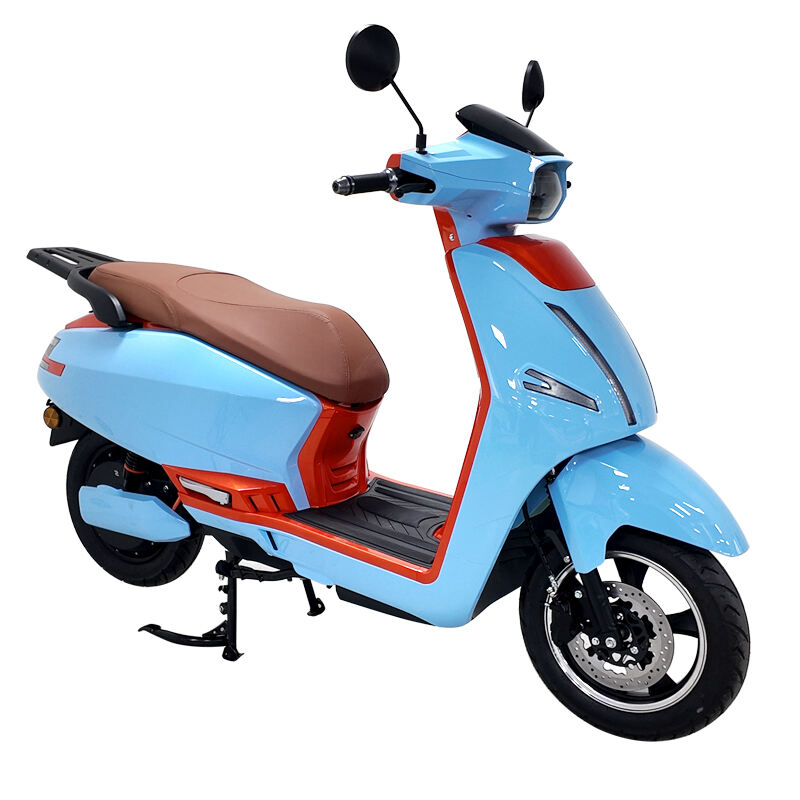
The electric motorcycle market has experienced tremendous growth in recent years, driven by rising fuel costs and environmental consciousness. Many riders are now seeking a cheap electric motorcycle that delivers both affordability and dependable performance. While traditional gasoline motorcycles continue to dominate the market, electric alternatives are rapidly gaining traction due to their lower operating costs, reduced maintenance requirements, and eco-friendly operation. The challenge lies in finding the perfect balance between cost-effectiveness and reliable functionality.
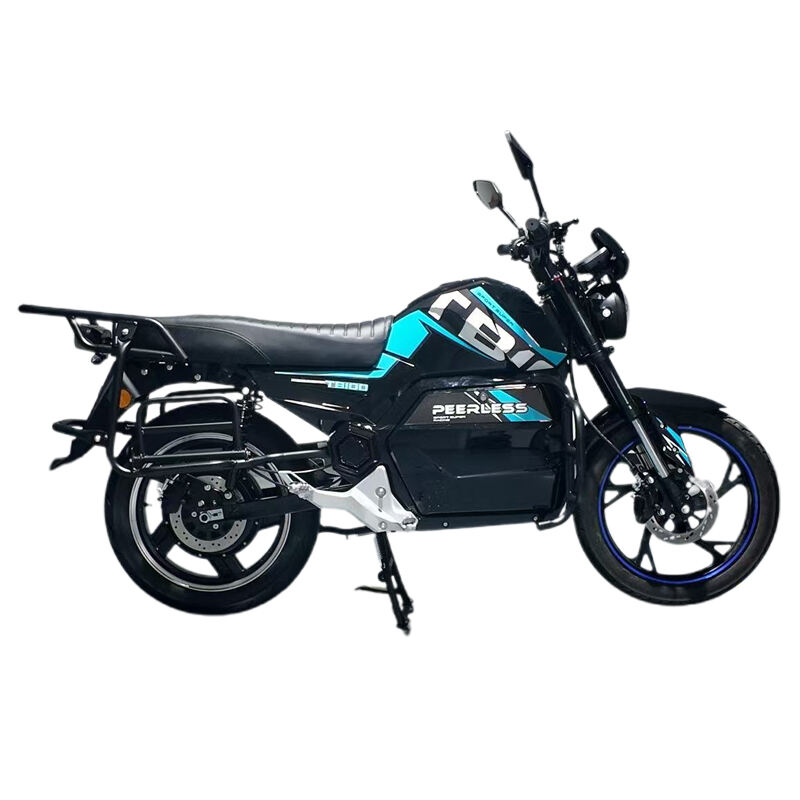
Modern electric motorcycles have evolved significantly from their early prototypes, now offering impressive range, speed capabilities, and charging efficiency. Budget-conscious consumers no longer need to compromise on quality when shopping for an affordable electric ride. Today's cheap electric motorcycle models incorporate advanced lithium-ion battery technology, regenerative braking systems, and smart connectivity features that were once reserved for premium models. These technological advancements have made electric motorcycles more accessible to everyday riders seeking reliable transportation solutions.
Understanding Electric Motorcycle Technology
Battery Systems and Power Management
The heart of any cheap electric motorcycle lies in its battery system, which determines both performance capabilities and overall value proposition. Most affordable electric motorcycles utilize lithium-ion phosphate batteries, known for their excellent balance of energy density, safety, and cost-effectiveness. These battery packs typically range from 2kWh to 5kWh capacity, providing adequate power for urban commuting and recreational riding. Advanced battery management systems monitor cell voltage, temperature, and charging cycles to ensure optimal performance and longevity.
Modern electric motorcycle batteries feature sophisticated thermal management systems that regulate operating temperatures during charging and discharge cycles. This technology prevents overheating and extends battery life significantly, making a cheap electric motorcycle a more economical long-term investment. Smart charging algorithms optimize power delivery while protecting battery cells from damage caused by overcharging or deep discharge conditions. Many budget-friendly models now include regenerative braking capabilities that convert kinetic energy back into electrical energy, extending range and improving overall efficiency.
Motor Configuration and Drive Systems
Electric motorcycles employ various motor configurations to deliver power efficiently while maintaining affordability. Hub-mounted motors offer simplicity and reduced maintenance requirements, making them popular choices for budget-oriented designs. Central motor systems provide better weight distribution and handling characteristics, though they typically increase manufacturing costs. A well-engineered cheap electric motorcycle balances motor placement with overall vehicle dynamics to ensure stable, predictable handling across different riding conditions.
Drive system efficiency plays a crucial role in determining the real-world performance of any electric motorcycle. Direct drive systems eliminate the complexity and maintenance requirements of traditional transmissions, while belt or chain drives offer familiar servicing procedures for conventional motorcycle mechanics. Most affordable electric motorcycles feature single-speed transmissions that provide smooth acceleration and simplified operation. Advanced motor controllers regulate power delivery to ensure consistent performance while protecting electrical components from damage caused by overcurrent conditions.
Cost Analysis and Value Proposition
Initial Purchase Price Considerations
When evaluating a cheap electric motorcycle, the initial purchase price represents just one component of the total ownership cost equation. Entry-level electric motorcycles typically range from $2,000 to $8,000, depending on specifications, build quality, and included features. However, government incentives, tax credits, and rebate programs can significantly reduce the effective purchase price in many regions. These financial incentives make electric motorcycles more competitive with comparable gasoline-powered alternatives, improving the overall value proposition for budget-conscious consumers.
Financing options and payment plans further enhance the accessibility of electric motorcycle ownership. Many manufacturers and dealers offer attractive financing terms with low interest rates and flexible payment schedules. Leasing programs provide another pathway to affordable electric motorcycle ownership, allowing riders to experience the benefits of electric transportation without the full financial commitment of purchasing. These flexible ownership models make it easier for consumers to transition from traditional motorcycles to electric alternatives.
Operating Cost Advantages
The operating cost advantages of a cheap electric motorcycle become apparent within the first few months of ownership. Electricity costs significantly less than gasoline on a per-mile basis, with most electric motorcycles achieving the equivalent of 100-200 miles per gallon when comparing energy costs. Charging at home during off-peak hours further reduces operating expenses, as utility companies often offer discounted electricity rates during nighttime hours. Many workplace and public charging stations provide free or low-cost charging opportunities, additional reducing daily transportation costs.
Maintenance requirements for electric motorcycles are substantially lower than their gasoline counterparts, contributing to long-term cost savings. Electric motors contain fewer moving parts than internal combustion engines, eliminating the need for oil changes, spark plug replacements, and valve adjustments. Brake maintenance is also reduced thanks to regenerative braking systems that minimize wear on friction components. A typical cheap electric motorcycle requires only basic maintenance such as tire replacements, brake pad changes, and periodic electrical system inspections, resulting in annual maintenance costs that are 60-80% lower than comparable gasoline motorcycles.
Performance Characteristics and Capabilities
Range and Charging Infrastructure
Range anxiety remains a primary concern for potential electric motorcycle buyers, but modern affordable models offer sufficient range for most daily commuting needs. A typical cheap electric motorcycle provides 40-80 miles of range under normal riding conditions, which adequately covers the average daily commute distance. Range varies based on riding style, terrain, weather conditions, and vehicle load, but most users find that current capabilities meet their regular transportation requirements.
Charging infrastructure continues to expand rapidly, with public charging networks growing by over 30% annually in most developed markets. Home charging remains the most convenient option for electric motorcycle owners, requiring only a standard household electrical outlet for overnight charging. Level 2 charging stations reduce charging time to 2-4 hours, while emerging fast-charging technologies promise to further improve charging convenience. Smart charging features allow riders to schedule charging during off-peak hours and monitor battery status remotely through smartphone applications.
Acceleration and Top Speed Performance
Electric motors deliver instant torque from zero RPM, providing impressive acceleration characteristics that often exceed those of comparable gasoline motorcycles. A well-designed cheap electric motorcycle can achieve 0-30 mph acceleration in under 4 seconds, making it ideal for urban traffic conditions and stop-and-go commuting. This immediate power delivery enhances safety by allowing riders to quickly accelerate out of potentially dangerous situations. The smooth, linear power delivery also makes electric motorcycles easier to ride for beginners and more comfortable for experienced riders.
Top speed capabilities of budget electric motorcycles typically range from 45-75 mph, which is adequate for most riding scenarios except highway cruising. Urban and suburban riding rarely requires speeds exceeding these limits, making a cheap electric motorcycle perfectly suitable for daily transportation needs. The quiet operation of electric motors provides a more pleasant riding experience while reducing noise pollution in residential areas. Advanced models include multiple riding modes that allow riders to adjust power delivery and top speed based on riding conditions and personal preferences.
Safety Features and Reliability
Built-in Safety Systems
Modern cheap electric motorcycle designs incorporate numerous safety features that rival those found on premium models. Anti-lock braking systems (ABS) prevent wheel lockup during emergency stopping situations, while traction control systems prevent rear wheel spin on slippery surfaces. These electronic safety aids work seamlessly with the electric drivetrain to provide enhanced stability and control. Regenerative braking systems provide additional stopping power while simultaneously charging the battery, improving both safety and efficiency.
LED lighting systems improve visibility while consuming minimal electrical power, ensuring that safety lighting doesn't significantly impact range. Many electric motorcycles include automatic headlight activation, hazard warning systems, and bright daytime running lights that increase rider visibility to other motorists. Smart connectivity features allow riders to share location data with emergency contacts and provide crash detection capabilities that automatically alert emergency services in case of an accident.
Build Quality and Durability
Despite their affordable pricing, quality cheap electric motorcycle models demonstrate impressive build quality and long-term durability. Manufacturers have learned to optimize production processes and material selection to deliver reliable products at competitive price points. Weather sealing protects electrical components from moisture and debris, while robust chassis construction ensures structural integrity under normal riding conditions. Quality control processes have improved significantly as electric motorcycle production has scaled up to meet growing demand.
Component reliability has improved dramatically as manufacturers gain experience with electric motorcycle design and production. Battery management systems prevent overcharging and deep discharge conditions that could damage expensive battery packs. Motor controllers include thermal protection features that prevent overheating during extended high-power operation. Most reputable manufacturers offer comprehensive warranties covering major components for 2-3 years, providing peace of mind for budget-conscious buyers investing in a cheap electric motorcycle.
Market Trends and Future Outlook
Technological Advancement Trajectory
The electric motorcycle industry continues to evolve rapidly, with new technologies regularly trickling down to affordable models. Battery energy density improvements allow manufacturers to offer increased range without proportionally increasing costs, making budget electric motorcycles more attractive to potential buyers. Charging speed enhancements reduce the time required to replenish battery capacity, addressing one of the primary barriers to electric motorcycle adoption. These technological improvements ensure that today's cheap electric motorcycle represents excellent value compared to models from just a few years ago.
Smart connectivity features are becoming standard equipment even on budget-oriented electric motorcycles. GPS navigation, smartphone integration, and remote monitoring capabilities enhance the ownership experience while providing valuable data about riding patterns and vehicle performance. Over-the-air software updates allow manufacturers to improve performance and add new features throughout the vehicle's operational life. These technological capabilities position electric motorcycles as modern transportation solutions that appeal to tech-savvy consumers seeking efficient, connected mobility options.
Market Growth and Competition
Increasing competition among electric motorcycle manufacturers has accelerated innovation while driving down prices, benefiting consumers seeking affordable electric transportation. New market entrants regularly introduce innovative features and competitive pricing strategies that push established manufacturers to improve their offerings. This competitive pressure ensures that buyers can find a cheap electric motorcycle that meets their specific needs without sacrificing quality or reliability. Market growth projections indicate continued expansion of the affordable electric motorcycle segment over the coming decade.
Global supply chain optimization has reduced manufacturing costs while improving component availability for electric motorcycle production. Economies of scale achieved through increased production volumes allow manufacturers to offer better specifications at lower price points. Strategic partnerships between motorcycle manufacturers and battery suppliers ensure stable component pricing and supply security. These market dynamics create favorable conditions for consumers seeking high-quality, affordable electric transportation solutions.
Environmental Impact and Sustainability
Carbon Footprint Reduction
Operating a cheap electric motorcycle produces zero direct emissions, contributing to improved air quality in urban environments where motorcycles are commonly used. Even when accounting for electricity generation emissions, electric motorcycles typically produce 60-80% fewer greenhouse gas emissions than comparable gasoline motorcycles over their operational lifetime. As electrical grids increasingly incorporate renewable energy sources, the environmental advantages of electric motorcycles will continue to improve. This environmental benefit makes electric motorcycles an attractive choice for environmentally conscious consumers seeking sustainable transportation alternatives.
Battery recycling programs ensure that end-of-life electric motorcycle batteries are processed responsibly, recovering valuable materials for use in new battery production. Many manufacturers participate in closed-loop recycling programs that minimize waste and reduce the environmental impact of battery production. Advanced battery chemistries require fewer rare earth materials, further reducing the environmental footprint of electric motorcycle manufacturing. These sustainability initiatives demonstrate the industry's commitment to responsible environmental stewardship throughout the product lifecycle.
Urban Air Quality Improvement
The quiet operation of electric motorcycles reduces noise pollution in urban areas, creating more pleasant living environments for city residents. Unlike gasoline motorcycles that contribute to smog formation through tailpipe emissions, a cheap electric motorcycle operates without producing any local air pollutants. This characteristic makes electric motorcycles particularly valuable in densely populated urban areas where air quality concerns are most acute. Many cities are implementing policies that favor electric vehicles, including preferential parking, access to restricted zones, and reduced registration fees.
Large-scale adoption of electric motorcycles could significantly improve urban air quality, particularly in developing countries where motorcycles represent a major portion of vehicle traffic. Studies indicate that replacing gasoline motorcycles with electric alternatives could reduce urban particulate matter concentrations by 15-25% in motorcycle-heavy cities. These air quality improvements translate directly into public health benefits, reducing respiratory illness rates and healthcare costs associated with air pollution exposure.
FAQ
How much does it cost to charge a cheap electric motorcycle
Charging costs for electric motorcycles are remarkably low compared to gasoline expenses. A typical cheap electric motorcycle with a 3kWh battery costs approximately $0.30-0.50 to charge completely, depending on local electricity rates. This provides 40-60 miles of range, making the cost per mile roughly equivalent to achieving 150-200 mpg with a gasoline motorcycle. Home charging during off-peak hours can reduce costs even further, while many public charging stations offer free charging to encourage electric vehicle adoption.
What is the typical lifespan of an electric motorcycle battery
Modern lithium-ion batteries used in cheap electric motorcycle applications typically last 5-8 years or 50,000-100,000 miles before requiring replacement. Battery life depends on factors such as charging habits, operating temperature, and depth of discharge cycles. Proper maintenance and avoiding extreme temperature conditions can extend battery life significantly. Many manufacturers offer battery warranties covering 2-3 years or specific mileage limits, providing protection against premature battery failure.
Can electric motorcycles be ridden in rain and adverse weather conditions
Quality electric motorcycles feature weather-resistant electrical systems that allow safe operation in rain and moderate weather conditions. All electrical components are sealed against moisture intrusion, and safety systems function normally in wet conditions. However, riders should exercise additional caution on wet surfaces due to reduced traction, just as with any motorcycle. Most cheap electric motorcycle models meet IP65 or higher water resistance standards, ensuring reliable operation in typical weather conditions encountered during daily use.
How do maintenance requirements compare between electric and gasoline motorcycles
Electric motorcycles require significantly less maintenance than gasoline motorcycles due to fewer moving parts and the absence of internal combustion engines. A cheap electric motorcycle typically needs only periodic brake inspection, tire replacement, and basic electrical system checks. There are no oil changes, spark plug replacements, or complex engine maintenance procedures required. Annual maintenance costs are typically 60-80% lower than comparable gasoline motorcycles, making electric motorcycles more economical over their operational lifetime despite potentially higher initial purchase prices.