
 EN
EN
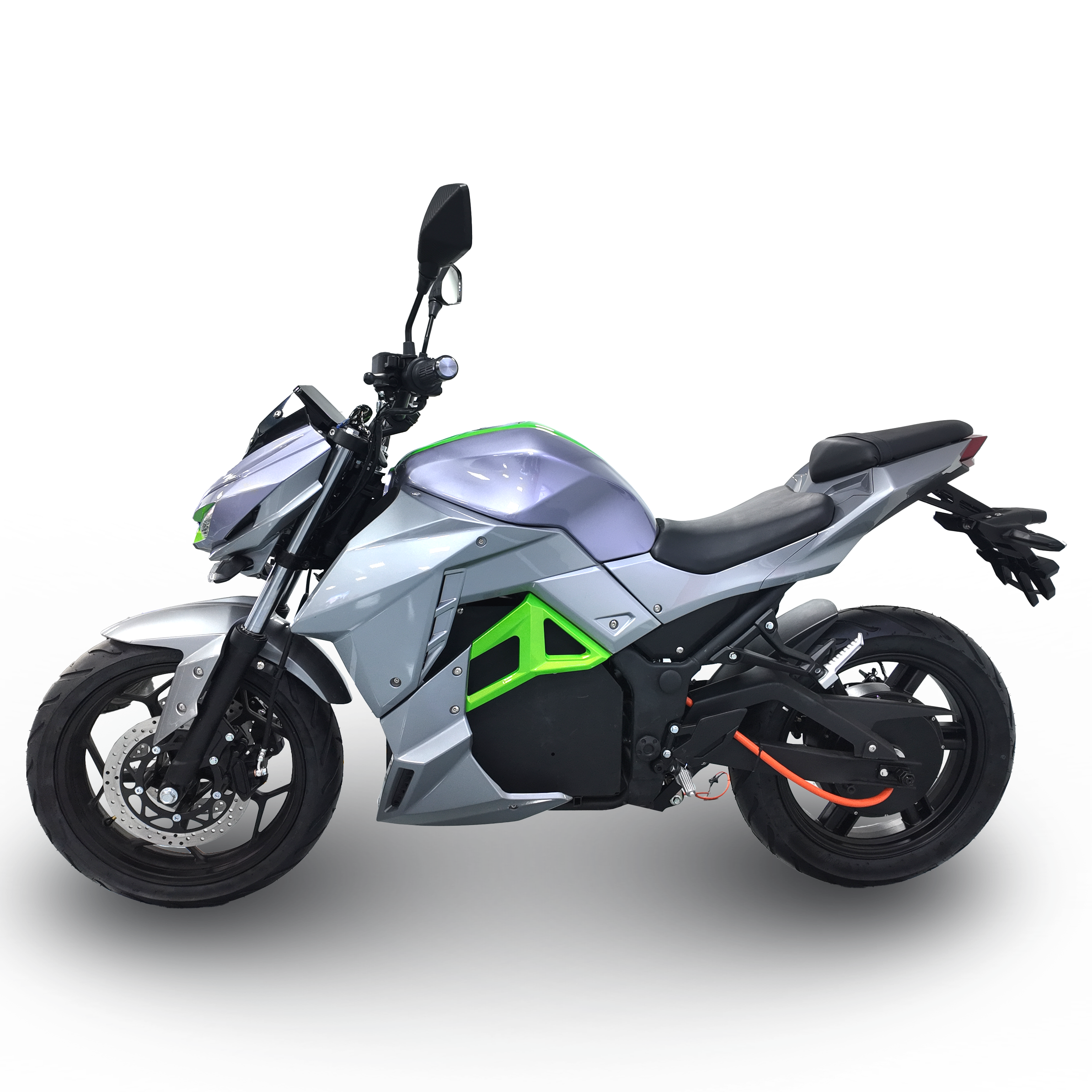
The rising costs of fuel and vehicle maintenance have prompted many consumers to explore alternative transportation solutions. An emotorcycle represents a revolutionary shift in personal mobility, offering significant financial advantages over traditional gasoline-powered motorcycles. These electric-powered vehicles combine the convenience and agility of conventional motorcycles with the economic benefits of electric propulsion systems. As fuel prices continue to fluctuate and maintenance expenses accumulate, emotorcycle ownership presents a compelling case for cost-conscious riders seeking reliable and efficient transportation.
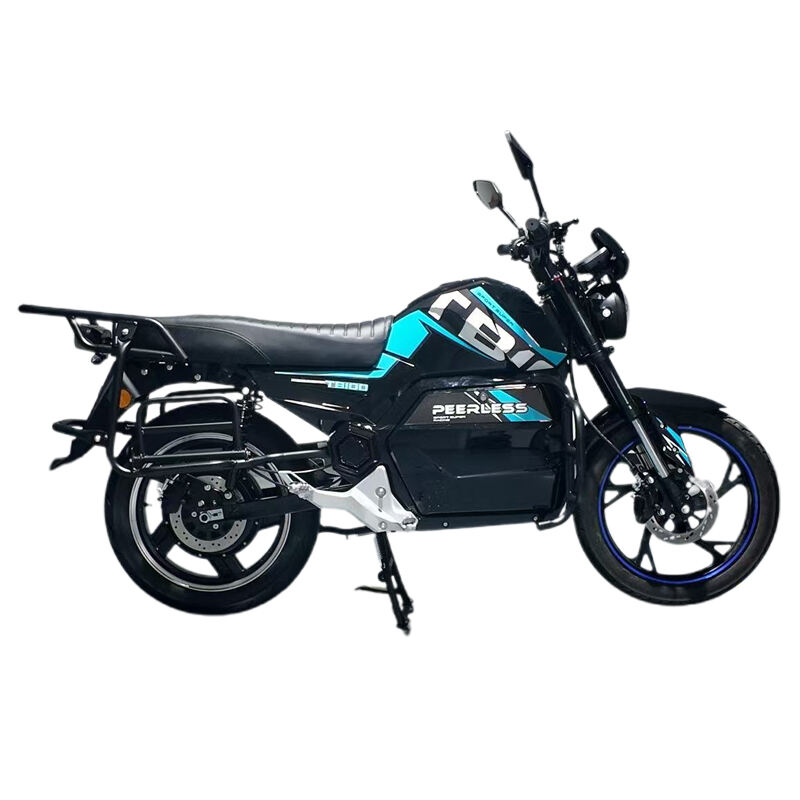
Understanding EMotorcycle Technology and Its Cost Benefits
Electric Motor Efficiency Compared to Internal Combustion Engines
The fundamental difference between an emotorcycle and traditional motorcycles lies in their power generation systems. Electric motors achieve efficiency rates of approximately 90-95%, while internal combustion engines typically operate at only 25-30% efficiency. This dramatic efficiency gap translates directly into operational cost savings for emotorcycle owners. The superior energy conversion efficiency means more of the stored energy actually propels the vehicle forward, rather than being lost as waste heat.
Electric motors also provide instant torque delivery, eliminating the need for complex transmission systems found in conventional motorcycles. This simplification reduces manufacturing costs and maintenance requirements while improving overall reliability. The absence of gear shifting mechanisms and clutch systems further enhances the emotorcycle riding experience while reducing potential points of mechanical failure.
Battery Technology Advancements and Longevity
Modern emotorcycle battery systems utilize advanced lithium-ion technology that offers impressive longevity and performance characteristics. These batteries typically maintain 80% of their original capacity after 1000-2000 charge cycles, representing several years of normal usage. The declining costs of battery manufacturing have made emotorcycle ownership increasingly attractive from a total cost perspective.
Battery management systems in contemporary emotorcycle models optimize charging patterns and protect against overcharging, extending battery lifespan significantly. Many manufacturers now offer warranty periods of 5-8 years on battery systems, providing riders with confidence in their long-term investment. The predictable degradation patterns of modern batteries allow owners to plan replacement costs well in advance.
Fuel Cost Elimination and Energy Savings
Direct Fuel Cost Comparisons
The most immediate financial benefit of emotorcycle ownership comes from eliminating gasoline purchases entirely. Traditional motorcycles typically achieve 40-60 miles per gallon, while an emotorcycle converts electrical energy at a fraction of the equivalent cost. Electricity pricing remains significantly more stable than volatile petroleum markets, providing predictable operating expenses for budget-conscious consumers.
Regional electricity rates vary, but most areas offer off-peak charging rates that further reduce operating costs. Smart charging systems can automatically schedule charging during these lower-rate periods, maximizing savings. The equivalent cost per mile for emotorcycle operation typically ranges from one-third to one-fifth of gasoline motorcycle costs, depending on local utility rates and fuel prices.
Home Charging Infrastructure Benefits
Installing home charging equipment for an emotorcycle provides convenience and additional cost savings compared to public charging stations. Level 2 home chargers can fully recharge most emotorcycle batteries overnight using standard household electrical connections. This eliminates the time and expense associated with frequent fuel station visits.
Solar panel integration offers emotorcycle owners the opportunity to achieve near-zero operational costs through renewable energy generation. Many residential solar installations produce excess capacity during daylight hours, making daytime emotorcycle charging essentially free. The combination of solar power and emotorcycle technology creates a truly sustainable and economical transportation solution.
Maintenance Cost Reductions Through Simplified Systems
Eliminated Engine Maintenance Requirements
Traditional motorcycles require regular oil changes, air filter replacements, spark plug maintenance, and valve adjustments that emotorcycle owners never encounter. The absence of internal combustion engines eliminates hundreds of moving parts that typically require periodic service and eventual replacement. This simplification dramatically reduces both scheduled maintenance costs and unexpected repair expenses.
Emotorcycle owners avoid the costs associated with engine timing adjustments, carburetor cleaning, fuel system maintenance, and exhaust system repairs. The sealed electric motor design protects internal components from environmental contamination and wear, extending operational lifespan significantly. Most emotorcycle manufacturers specify minimal maintenance schedules focusing primarily on brake systems and tire care.
Brake System Longevity and Regenerative Features
Regenerative braking systems in emotorcycle designs extend brake pad and rotor lifespan while recovering energy during deceleration. This dual benefit reduces both maintenance costs and energy consumption, contributing to overall operational efficiency. Traditional friction braking components experience less wear due to the regenerative system handling much of the routine braking load.
The regenerative braking feature also eliminates brake fade issues common in conventional motorcycles during extended downhill riding or heavy traffic conditions. This improved safety performance comes with the added benefit of reduced replacement costs for brake components. Many emotorcycle owners report brake pad replacement intervals two to three times longer than traditional motorcycles.
Long-Term Financial Advantages and Total Cost Analysis
Depreciation Patterns and Resale Value
Early emotorcycle models experienced rapid depreciation due to limited market acceptance and range anxiety concerns. However, improved battery technology and growing environmental awareness have stabilized resale values significantly. Current emotorcycle models maintain competitive resale values compared to similar gasoline motorcycles, particularly in urban markets with established charging infrastructure.
The simplicity of emotorcycle mechanical systems contributes to more predictable aging patterns compared to complex internal combustion engines. Potential buyers can more accurately assess the condition and remaining useful life of an emotorcycle through battery capacity testing and visual inspection. This transparency in condition assessment supports stronger resale values in the secondary market.
Insurance Cost Considerations
Insurance companies increasingly recognize the safety and reliability advantages of emotorcycle technology through reduced premium rates. The lower theft rates for emotorcycle models, combined with their excellent safety records, contribute to favorable insurance pricing. Many insurers also offer green vehicle discounts that further reduce annual insurance costs for emotorcycle owners.
The advanced safety features common in modern emotorcycle designs, including traction control and stability systems, qualify for additional insurance discounts. These electronic safety systems operate more precisely than mechanical equivalents, reducing accident rates and insurance claims. The combination of inherent safety advantages and insurer incentives creates meaningful insurance cost savings for emotorcycle riders.
Environmental Impact and Regulatory Benefits
Emissions Reduction and Air Quality Improvements
Emotorcycle adoption contributes significantly to urban air quality improvements through zero local emissions operation. This environmental benefit extends beyond immediate health improvements to potential regulatory advantages for emotorcycle owners. Many metropolitan areas implement emissions-based access restrictions that exempt emotorcycle riders from limitations affecting conventional motorcycles.
The lifecycle environmental impact of emotorcycle production and operation compares favorably to gasoline motorcycles, even accounting for battery manufacturing and electricity generation. As electrical grids incorporate increasing renewable energy sources, the environmental advantages of emotorcycle operation continue improving. This trend supports continued regulatory preference for electric vehicle adoption across various transportation segments.
Government Incentives and Tax Benefits
Federal and state governments offer various financial incentives for emotorcycle purchases, including tax credits, rebates, and reduced registration fees. These incentives can offset initial purchase price differences and accelerate the payback period for emotorcycle investment. The availability and magnitude of these incentives continue expanding as governments promote electric vehicle adoption.
Some jurisdictions provide additional benefits such as HOV lane access, free parking, and reduced toll charges for emotorcycle riders. These operational advantages translate into both time and cost savings for daily commuters. The cumulative value of these benefits can represent significant annual savings beyond direct fuel and maintenance cost reductions.
FAQ
What is the typical payback period for emotorcycle cost savings
The payback period for emotorcycle cost savings varies based on riding patterns, local fuel prices, and electricity costs, but typically ranges from 2-4 years. High-mileage riders in areas with expensive gasoline and affordable electricity often achieve payback in under two years. The calculation should include fuel savings, maintenance cost reductions, and available government incentives to determine the complete financial picture.
How do emotorcycle maintenance costs compare to traditional motorcycles
Emotorcycle maintenance costs are typically 40-60% lower than traditional motorcycles due to simplified mechanical systems and fewer moving parts. The absence of oil changes, air filter replacements, and engine tune-ups eliminates most routine maintenance expenses. Primary maintenance focuses on tire replacement, brake service, and periodic battery system checks.
Can I charge an emotorcycle using renewable energy sources
Yes, emotorcycle charging integrates seamlessly with renewable energy systems including solar panels and wind generation. Home solar installations often produce sufficient excess capacity to power emotorcycle charging during daylight hours. This combination can achieve near-zero operating costs while maximizing environmental benefits through clean energy utilization.
Are there financing options available specifically for emotorcycle purchases
Many manufacturers and financial institutions offer specialized financing programs for emotorcycle purchases, often featuring lower interest rates than traditional vehicle loans. Green vehicle financing programs may include extended terms and reduced down payment requirements. Some utility companies also provide financing assistance for electric vehicle purchases as part of grid management and environmental initiatives.