
 EN
EN
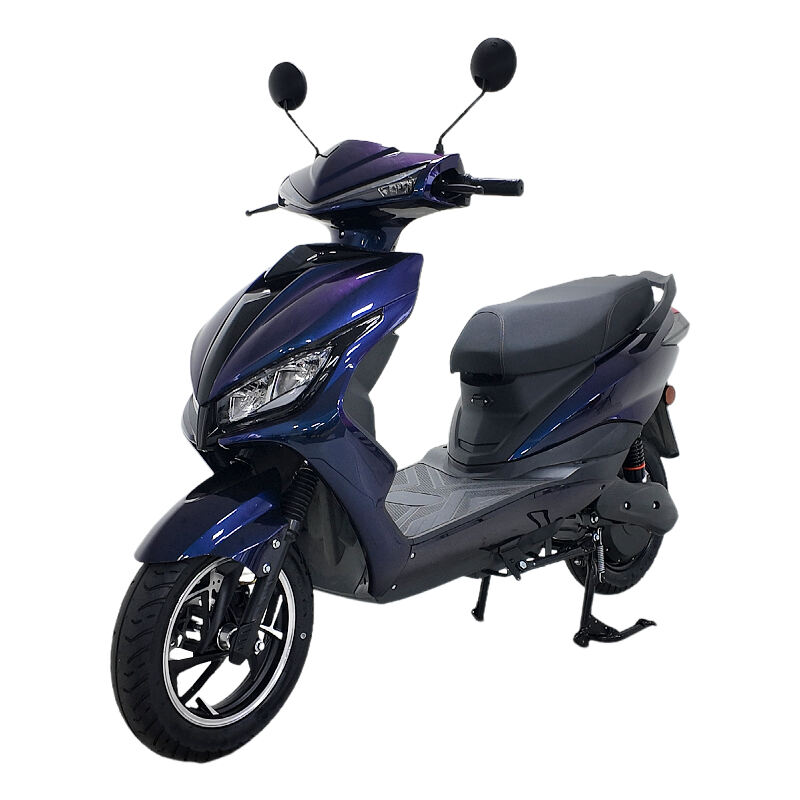
The electric mobility revolution has transformed urban transportation, making the escooter an increasingly popular choice for commuters and recreational riders alike. As cities worldwide embrace sustainable transportation solutions, understanding the critical factors that influence escooter performance and longevity becomes essential for making an informed purchase decision. Whether you're considering your first electric scooter or upgrading from a traditional model, evaluating key technical specifications, safety features, and build quality will ensure you select a vehicle that meets your specific mobility needs and delivers reliable performance for years to come.
Battery Technology and Range Considerations
Understanding Lithium-Ion Battery Performance
The heart of any escooter lies in its battery system, which directly impacts range, charging time, and overall operational efficiency. Modern electric scooters predominantly utilize lithium-ion battery technology, offering superior energy density and cycle life compared to older lead-acid alternatives. When evaluating battery specifications, focus on capacity measured in watt-hours (Wh), as this metric provides the most accurate indication of potential range under real-world conditions.
Battery management systems play a crucial role in protecting cells from overcharging, deep discharge, and thermal runaway conditions. Quality escooter manufacturers integrate sophisticated BMS technology that monitors individual cell voltages, temperature levels, and current flow to maximize battery lifespan. Additionally, consider the charging infrastructure compatibility, as some models support fast-charging protocols that can significantly reduce downtime between rides.
Real-World Range Factors
Manufacturer-stated range figures often represent optimal conditions that rarely align with everyday usage patterns. Factors such as rider weight, terrain elevation, weather conditions, and riding style significantly influence actual escooter range performance. Conservative estimates suggest reducing advertised range by 20-30% to account for these variables, ensuring realistic expectations for daily commuting needs.
Temperature effects on battery performance cannot be overlooked, particularly in regions experiencing extreme seasonal variations. Cold weather can reduce escooter range by up to 40%, while excessive heat may trigger thermal protection systems that limit power output. Understanding these limitations helps establish appropriate usage patterns and storage practices that preserve battery health throughout varying environmental conditions.
Motor Specifications and Performance Metrics
Power Output and Torque Characteristics
Motor specifications define the fundamental performance capabilities of any escooter, influencing acceleration, hill-climbing ability, and top speed potential. Brushless DC motors have become the standard for quality electric scooters, offering superior efficiency, reduced maintenance requirements, and quieter operation compared to brushed alternatives. Pay attention to both continuous and peak power ratings, as continuous power determines sustained performance while peak power affects acceleration and hill-climbing capabilities.
Torque characteristics significantly impact riding experience, particularly during acceleration from stops and when navigating inclined surfaces. Higher torque motors provide more responsive throttle response and better performance on challenging terrain. However, increased motor power typically correlates with higher energy consumption, requiring careful balance between performance desires and range requirements for your specific escooter applications.
Speed Control and Riding Modes
Advanced escooter models feature multiple riding modes that adjust motor characteristics to suit different environments and rider preferences. Economic modes prioritize range extension by limiting top speed and acceleration, while sport modes maximize performance at the expense of battery consumption. Some models incorporate regenerative braking systems that capture kinetic energy during deceleration, extending range while providing additional braking force.
Electronic speed controllers govern motor operation, managing power delivery and implementing safety features such as over-current protection and thermal management. Quality ESC systems provide smooth acceleration curves and precise speed control, enhancing overall escooter ridability and component longevity. Consider models with programmable controllers that allow customization of acceleration profiles and maximum speed limits to match local regulations and personal preferences.
Safety Features and Regulatory Compliance
Braking System Technology
Effective braking systems represent perhaps the most critical safety component of any escooter design. Dual braking systems combining mechanical disc brakes with electronic regenerative braking provide optimal stopping performance across varying conditions. Front and rear brake balance ensures stable deceleration without wheel lockup, while brake lever feel and modulation affect rider confidence and control precision.
Anti-lock braking systems, while less common on escooter models, provide significant safety advantages by preventing wheel lockup during emergency stops. Electronic brake force distribution systems optimize braking performance by automatically adjusting front and rear brake balance based on load conditions and surface traction. Regular brake maintenance schedules and component inspection protocols ensure consistent stopping performance throughout the vehicle's service life.
Lighting and Visibility Systems
Comprehensive lighting systems extend escooter usability into low-light conditions while enhancing visibility to other road users. LED headlights with focused beam patterns provide adequate illumination for safe navigation, while integrated tail lights with brake activation features communicate rider intentions to following traffic. Some advanced models incorporate turn signal systems and hazard lights for enhanced communication capabilities.
Reflective elements strategically positioned on frame components and wheels improve passive visibility during nighttime operation. Consider escooter models with integrated lighting systems powered by the main battery rather than separate battery units that require additional maintenance attention. Compliance with local lighting regulations ensures legal operation while maximizing safety benefits for urban commuting applications.
Build Quality and Durability Assessment
Frame Construction and Materials
The structural integrity of an escooter frame directly impacts safety, durability, and ride quality characteristics. Aluminum alloy construction provides an excellent balance of strength, weight, and corrosion resistance for most applications. Steel frames offer superior strength but increase overall vehicle weight, while carbon fiber components reduce mass but require careful handling to prevent damage from impacts or crashes.
Welding quality and joint design significantly influence frame longevity and safety performance. Look for clean weld beads with consistent penetration and properly reinforced stress concentration areas around suspension mounting points and steering head assemblies. Quality manufacturers provide frame warranties that demonstrate confidence in structural design and manufacturing processes.
Suspension and Ride Comfort
Suspension systems dramatically improve escooter comfort and control over rough surfaces common in urban environments. Front fork suspension with adjustable preload and damping allows customization for different rider weights and surface conditions. Rear shock absorption systems, whether spring-based or air-filled, reduce fatigue during longer rides while maintaining tire contact with irregular pavement surfaces.
Tire selection impacts ride quality, traction, and maintenance requirements significantly. Pneumatic tires provide superior comfort and grip but require periodic pressure checks and puncture repairs. Solid tires eliminate puncture concerns but transmit more road vibration to the rider. Consider your typical riding surfaces and maintenance preferences when evaluating tire options for your escooter selection.
Smart Features and Connectivity Options
Mobile App Integration
Modern escooter models increasingly incorporate smartphone connectivity features that enhance user experience and provide valuable operational data. Mobile applications typically offer ride tracking, battery monitoring, speed logging, and diagnostic capabilities that help optimize performance and identify maintenance needs. Some apps provide anti-theft features such as GPS tracking and remote immobilization functions.
Firmware update capabilities through mobile app connections ensure your escooter remains current with latest performance optimizations and safety enhancements. Over-the-air updates can modify motor characteristics, add new riding modes, or improve battery management algorithms without requiring service center visits. Consider the manufacturer's track record for providing ongoing software support when evaluating connectivity features.
Display and Control Interfaces
Integrated display systems provide real-time information about speed, battery level, riding mode, and system status without requiring smartphone interaction. LCD or LED displays with appropriate brightness adjustment ensure visibility across varying lighting conditions. Intuitive control layouts with easily accessible buttons enhance safety by minimizing attention diversion during operation.
Some advanced escooter models incorporate throttle and brake controls with haptic feedback, providing tactile confirmation of input commands. Customizable display configurations allow riders to prioritize information most relevant to their usage patterns. Weather-resistant control interfaces ensure reliable operation during adverse conditions common in outdoor transportation applications.
Maintenance Requirements and Service Support
Routine Maintenance Protocols
Understanding maintenance requirements before purchasing an escooter helps establish realistic ownership costs and time commitments. Regular maintenance tasks include tire pressure checks, brake adjustments, bearing lubrication, and electrical connection inspections. Quality manufacturers provide detailed maintenance schedules with specific service intervals based on mileage or time periods.
Battery maintenance represents a significant aspect of escooter ownership, requiring attention to charging practices, storage conditions, and capacity monitoring. Proper charging protocols extend battery lifespan significantly, while incorrect practices can lead to premature capacity loss and expensive replacement costs. Consider models with battery management systems that provide detailed health monitoring and maintenance recommendations.
Parts Availability and Warranty Coverage
Long-term escooter ownership depends heavily on parts availability and manufacturer support quality. Established manufacturers typically maintain extensive parts inventories and authorized service networks that ensure timely repairs and maintenance. Consider warranty coverage duration and scope, paying particular attention to battery warranties which often differ from other component coverage periods.
Local service availability impacts convenience and cost of ownership significantly. Research authorized service centers in your area and their reputation for quality work and customer service. Some manufacturers offer direct-to-consumer parts sales and technical support, enabling experienced users to perform routine maintenance independently while maintaining warranty coverage.
Cost Analysis and Value Considerations
Initial Purchase Price Factors
Escooter pricing varies dramatically based on specifications, build quality, and brand reputation. Entry-level models suitable for short-distance commuting start around several hundred dollars, while premium models with advanced features and superior components can cost several thousand dollars. Consider your specific usage requirements and budget constraints when evaluating price versus feature trade-offs.
Total cost of ownership extends beyond initial purchase price to include insurance, maintenance, charging costs, and potential replacement parts. Calculate expected annual mileage and corresponding maintenance requirements to establish realistic ownership costs. Factor in potential fuel savings and parking fee reductions when comparing escooter costs to alternative transportation methods for your specific commuting needs.
Long-term Value Retention
Quality escooter models from established manufacturers typically retain value better than budget alternatives due to superior build quality and ongoing manufacturer support. Battery technology advancement rates may impact resale values, as newer models with improved range and charging capabilities could reduce demand for older units. Consider purchasing models with replaceable batteries to maintain long-term utility even as battery technology evolves.
Market demand for used electric scooters continues growing as urban mobility preferences shift toward sustainable transportation options. Popular models with proven reliability records and strong manufacturer support networks command higher resale values. Research market trends and manufacturer stability when making investment decisions for higher-priced escooter models intended for long-term ownership.
FAQ
What is the typical lifespan of an escooter battery
Most quality lithium-ion batteries in electric scooters last between 2-4 years or 300-800 charge cycles, depending on usage patterns and maintenance practices. Proper charging habits, temperature management, and avoiding deep discharges can extend battery life significantly. Battery capacity gradually decreases over time, with most units retaining 70-80% of original capacity after 500 complete charge cycles.
How do weather conditions affect escooter performance
Weather significantly impacts escooter operation, with cold temperatures reducing battery range by 20-40% and affecting tire grip on wet surfaces. Most electric scooters have IP ratings indicating water resistance levels, but avoiding heavy rain and standing water protects electrical components. Extreme heat can trigger thermal protection systems that limit motor power output to prevent component damage.
What safety gear is recommended for escooter riders
Essential safety equipment includes a properly fitted helmet, preferably one designed for cycling or electric vehicle use. Reflective clothing enhances visibility, particularly during low-light conditions. Knee and elbow pads provide additional protection, especially for new riders or those using higher-performance models. Consider gloves for better grip and weather protection during extended rides.
Are there licensing requirements for escooter operation
Licensing requirements vary significantly by location and escooter specifications. Many jurisdictions classify electric scooters under bicycle regulations for models with limited top speeds, typically 15-20 mph. Higher-performance models may require motorcycle licensing, registration, and insurance coverage. Always research local regulations before purchasing to ensure compliance with applicable laws and safety requirements.