
 EN
EN
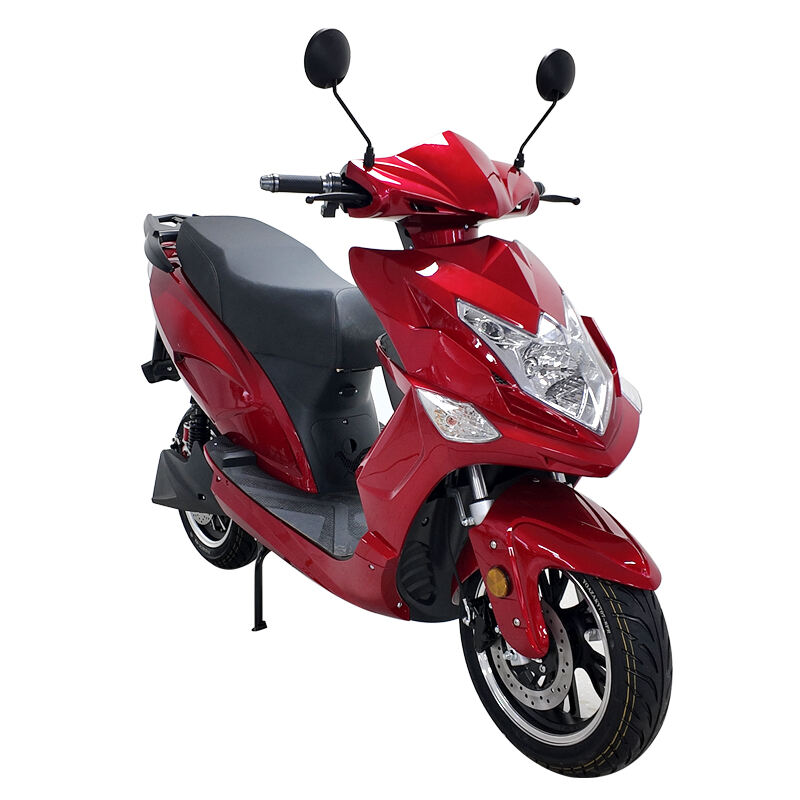
Urban transportation has evolved dramatically over the past decade, with electric mobility solutions gaining unprecedented popularity among commuters, students, and recreational riders alike. The modern escooter represents a perfect fusion of convenience, sustainability, and performance, offering an eco-friendly alternative to traditional transportation methods. As cities become increasingly congested and environmental consciousness grows, more individuals are turning to electric scooters as their primary mode of short to medium-distance travel. Today's advanced escooter models deliver impressive power output and extended range capabilities that were unimaginable just a few years ago.
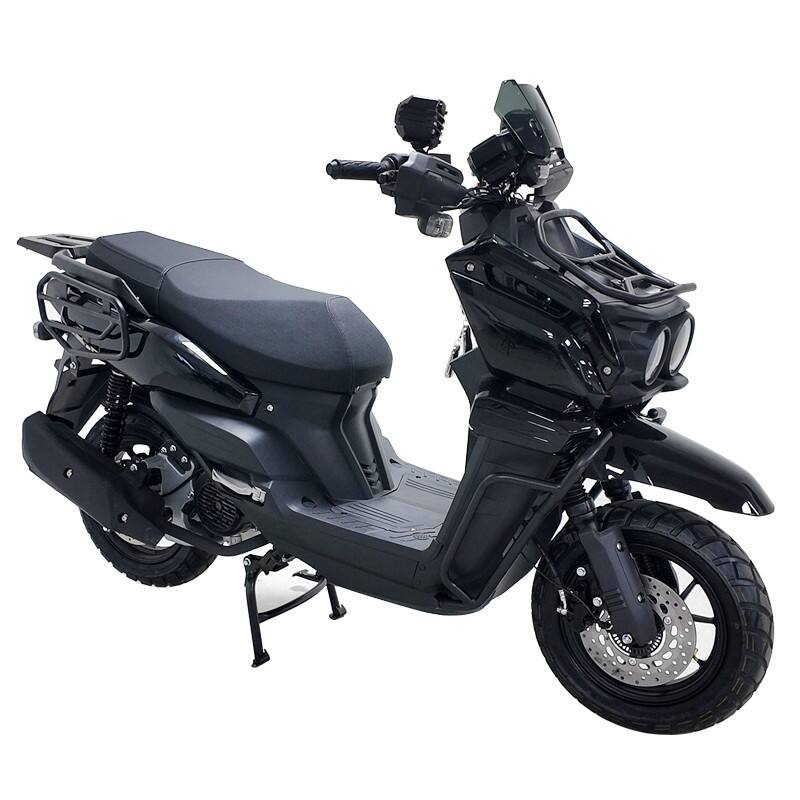
Understanding Electric Scooter Power Systems
Motor Configuration and Power Output
The heart of any high-performance escooter lies in its motor configuration, which directly influences acceleration, top speed, and climbing ability. Modern electric scooters typically feature brushless DC motors ranging from 250 watts for basic commuting models to over 2000 watts for high-performance variants. Dual-motor setups provide superior power distribution and enhanced traction, particularly beneficial for riders who encounter varied terrain or require rapid acceleration. The motor placement, whether hub-mounted or belt-driven, significantly affects the overall riding experience and maintenance requirements of your escooter.
Power delivery systems in contemporary electric scooters incorporate sophisticated controllers that optimize energy consumption while maximizing performance output. These advanced electronic speed controllers regulate motor function, ensuring smooth acceleration curves and protecting battery systems from overload conditions. Understanding the relationship between motor wattage and real-world performance helps consumers make informed decisions when selecting an escooter that meets their specific transportation needs and riding preferences.
Battery Technology and Voltage Systems
Battery technology represents the cornerstone of escooter performance, with lithium-ion cells dominating the current market due to their superior energy density and longevity. High-capacity battery packs typically operate at voltages ranging from 36V to 72V, with higher voltage systems enabling more powerful motor configurations and extended operational range. The relationship between battery voltage, capacity measured in amp-hours, and overall escooter performance creates a complex equation that manufacturers must balance to deliver optimal user experiences.
Modern battery management systems incorporate multiple safety features including overcharge protection, thermal monitoring, and cell balancing to ensure reliable operation and extended lifespan. Premium escooter models often feature removable battery packs, allowing users to carry spare batteries for extended journeys or convenient indoor charging. Understanding battery specifications and maintenance requirements enables riders to maximize their investment while ensuring consistent performance throughout the ownership period.
Range Optimization and Real-World Performance
Factors Affecting Electric Scooter Range
The advertised range of an escooter often differs significantly from real-world performance due to various environmental and usage factors that impact energy consumption. Rider weight, terrain conditions, weather temperature, and riding style all contribute to the actual distance achievable on a single charge. Manufacturers typically test range under ideal conditions with lightweight riders on flat surfaces, while real-world usage involves hills, stops, starts, and varying weather conditions that increase energy demands.
Aerodynamic drag becomes increasingly significant at higher speeds, requiring exponentially more power to maintain velocity against wind resistance. Cold weather conditions reduce battery efficiency and available capacity, while frequent acceleration and braking cycles consume more energy than steady-state cruising. Understanding these variables helps escooter owners develop realistic expectations and adopt riding techniques that maximize their vehicle's operational range.
Extended Range Strategies and Technologies
Achieving maximum range from your escooter requires implementing various conservation strategies and understanding advanced features that optimize energy consumption. Regenerative braking systems capture kinetic energy during deceleration, converting it back to electrical energy that partially recharges the battery pack. Eco-mode settings reduce maximum power output and acceleration rates while extending operational range through more conservative energy management.
Tire pressure maintenance plays a crucial role in range optimization, as under-inflated tires create additional rolling resistance that increases energy consumption. Regular maintenance of wheel bearings, brake adjustments, and drivetrain components ensures minimal mechanical losses that could otherwise reduce efficiency. Some advanced escooter models incorporate smart energy management systems that learn rider habits and automatically adjust performance parameters to maximize range based on typical usage patterns.
Performance Features and Riding Dynamics
Acceleration and Speed Capabilities
High-performance escooter models deliver impressive acceleration characteristics that rival many traditional vehicles in urban environments. The instant torque delivery of electric motors provides immediate response to throttle inputs, enabling rapid acceleration from standstill that proves particularly advantageous in stop-and-go traffic situations. Top speed capabilities vary significantly across different escooter categories, with commuter models typically limited to 15-25 mph for safety and regulatory compliance, while performance variants can exceed 40 mph.
Modern speed control systems incorporate multiple riding modes that allow users to customize acceleration curves and maximum velocity based on riding conditions and personal preferences. Sport modes unlock full power potential for experienced riders, while beginner settings provide gentler acceleration and reduced top speeds for learning and urban commuting. Understanding these performance characteristics helps riders select an escooter that matches their skill level and intended usage scenarios.
Suspension and Comfort Systems
Advanced suspension systems significantly enhance the riding comfort and handling characteristics of premium escooter models, absorbing road imperfections and providing better stability at higher speeds. Front and rear suspension configurations range from simple spring systems to sophisticated hydraulic dampers that can be adjusted for rider weight and preference. The suspension design directly impacts the overall ride quality, particularly when traversing uneven surfaces or encountering road debris.
Deck design and footboard dimensions contribute substantially to rider comfort during extended journeys, with larger platforms providing better weight distribution and reduced fatigue. Anti-slip surface treatments and ergonomic shaping ensure secure footing under various weather conditions. Premium escooter models often incorporate adjustable handlebar heights and folding mechanisms that accommodate different rider physiques while maintaining structural integrity and safety standards.
Safety Features and Regulatory Compliance
Braking Systems and Safety Technology
Effective braking systems represent critical safety components in high-performance escooter designs, with dual braking configurations becoming standard on models capable of higher speeds. Disc brakes provide consistent stopping power and heat dissipation, while regenerative braking systems offer supplementary deceleration while recovering energy. The combination of mechanical and electronic braking systems ensures reliable stopping performance across various weather conditions and riding scenarios.
Modern escooter safety features extend beyond basic braking systems to include LED lighting arrays, turn signals, and reflective elements that enhance visibility during low-light conditions. Some advanced models incorporate anti-lock braking systems and traction control technologies adapted from automotive applications. Understanding the safety capabilities and limitations of your escooter helps ensure responsible riding practices and compliance with local traffic regulations.
Legal Requirements and Usage Guidelines
Electric scooter regulations vary significantly across different jurisdictions, with some areas requiring registration, insurance, or operator licensing for higher-powered models. Speed limitations, helmet requirements, and designated riding areas represent common regulatory frameworks that escooter owners must understand and comply with. The classification of electric scooters often depends on power output, top speed, and weight specifications that determine legal usage parameters.
Responsible escooter ownership involves understanding local traffic laws, maintaining appropriate insurance coverage, and following manufacturer safety guidelines. Regular inspection of safety systems, proper storage procedures, and adherence to weight limits ensure optimal performance and legal compliance. Staying informed about evolving regulations helps riders avoid penalties while contributing to the positive perception of electric mobility solutions in their communities.
Maintenance and Longevity Considerations
Routine Maintenance Requirements
Proper maintenance practices significantly extend the operational lifespan of your escooter while ensuring consistent performance and safety. Regular inspection of tire condition, brake wear, and electrical connections prevents minor issues from developing into costly repairs. Battery maintenance involves proper charging practices, storage procedures, and periodic capacity testing to maintain optimal range and longevity. Understanding manufacturer maintenance schedules and recommended service intervals helps preserve warranty coverage while maximizing investment value.
Cleaning procedures for electric scooters require careful attention to electrical components and water ingress protection ratings. Using appropriate cleaning products and techniques prevents corrosion and maintains the aesthetic appearance of your escooter. Lubrication of moving parts, adjustment of brake cables, and tightening of fasteners represent routine tasks that ensure reliable operation and prevent premature wear of critical components.
Upgrade Possibilities and Customization
Many escooter models offer upgrade pathways that allow owners to enhance performance, range, or comfort characteristics through aftermarket modifications. Battery upgrades can increase operational range, while motor controllers may unlock additional power output within safe operating parameters. Suspension upgrades, brake improvements, and lighting enhancements represent popular modifications that improve the overall riding experience and safety profile.
Understanding the implications of modifications on warranty coverage, safety certifications, and legal compliance prevents issues while allowing personalization of your escooter. Quality aftermarket components from reputable manufacturers ensure compatibility and reliability while avoiding potential safety hazards associated with inferior products. Professional installation of complex upgrades ensures proper integration and maintains the structural integrity of your electric scooter system.
FAQ
What factors determine the actual range of an escooter compared to manufacturer specifications
The actual range of an escooter typically varies from manufacturer specifications due to real-world factors including rider weight, terrain conditions, weather temperature, riding style, and speed settings. Manufacturers test under ideal conditions with lightweight riders on flat surfaces, while actual usage involves hills, traffic stops, and varying weather that increase energy consumption. Cold temperatures can reduce battery capacity by 20-30%, while aggressive acceleration and high speeds significantly decrease range compared to steady, moderate-speed riding.
How long do escooter batteries typically last and what affects their lifespan
High-quality lithium-ion batteries in escooters typically last 2-4 years or 300-500 full charge cycles before experiencing significant capacity degradation. Battery lifespan depends on charging habits, storage conditions, usage patterns, and environmental factors. Avoiding complete discharge cycles, storing at moderate temperatures, and using manufacturer-approved chargers extends battery life. Extreme temperatures, overcharging, and frequent deep discharges can significantly reduce battery longevity and overall escooter performance.
What safety equipment and precautions are recommended for escooter riding
Essential safety equipment for escooter riding includes a properly fitted helmet, reflective clothing or lights for visibility, and protective gear such as knee and elbow pads for higher-speed models. Riders should familiarize themselves with local traffic laws, inspect their escooter before each ride, and maintain safe following distances. Understanding braking distances, avoiding wet or slippery surfaces, and riding defensively in traffic helps prevent accidents and ensures a safe riding experience.
Are high-power escooters suitable for daily commuting in urban environments
High-power escooters can be excellent for daily commuting when properly matched to route requirements and local regulations. Consider factors such as commute distance, terrain challenges, parking availability, and weather conditions when evaluating suitability. Premium models with good range, reliable braking systems, and weather resistance provide consistent daily transportation. However, ensure compliance with local speed limits, licensing requirements, and traffic laws before incorporating an escooter into your daily commuting routine.
Table of Contents
- Understanding Electric Scooter Power Systems
- Range Optimization and Real-World Performance
- Performance Features and Riding Dynamics
- Safety Features and Regulatory Compliance
- Maintenance and Longevity Considerations
-
FAQ
- What factors determine the actual range of an escooter compared to manufacturer specifications
- How long do escooter batteries typically last and what affects their lifespan
- What safety equipment and precautions are recommended for escooter riding
- Are high-power escooters suitable for daily commuting in urban environments