
 EN
EN
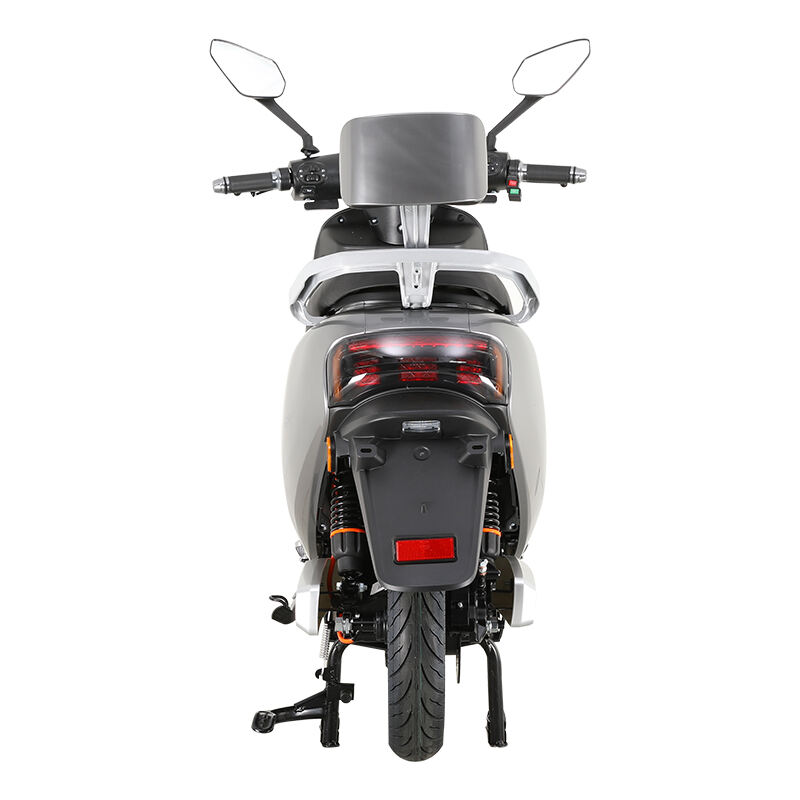
Urban transportation has undergone a remarkable transformation in recent years, with the escooter emerging as a revolutionary solution for modern commuters. The rapid adoption of electric scooters across cities worldwide reflects a fundamental shift in how people approach daily travel, combining convenience, sustainability, and cost-effectiveness in a single vehicle. As traffic congestion continues to plague metropolitan areas and environmental concerns grow more pressing, the escooter has positioned itself as an ideal alternative to traditional transportation methods. This innovative mobility solution offers urban dwellers the freedom to navigate crowded streets efficiently while reducing their carbon footprint and transportation expenses.
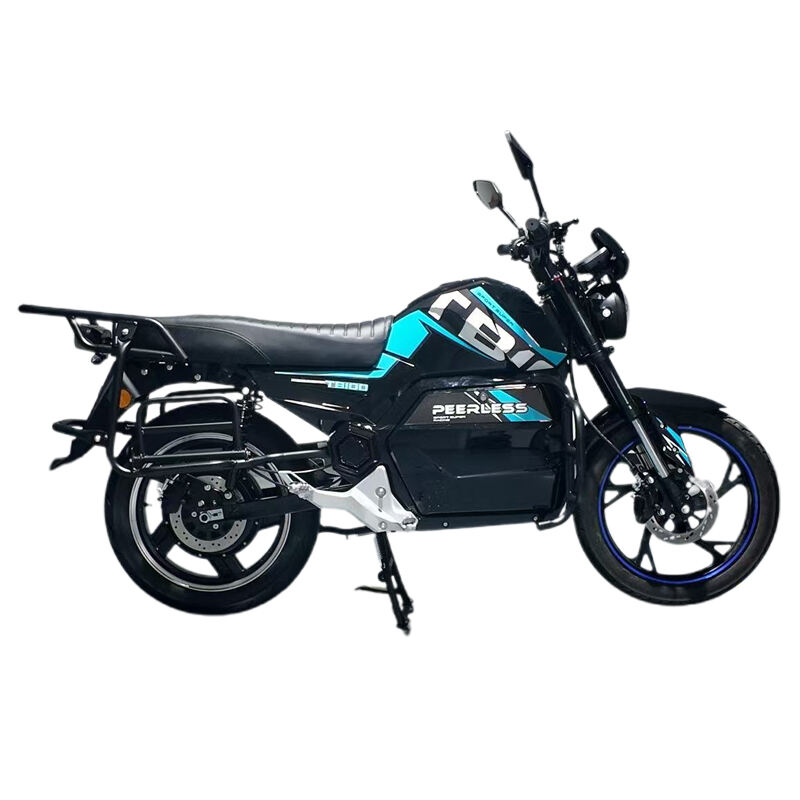
Environmental Benefits Driving escooter Adoption
Zero Emission Transportation Solution
The environmental advantages of escooter technology have become increasingly significant as cities worldwide grapple with air quality issues and climate change concerns. Unlike conventional gasoline-powered vehicles, an escooter produces zero direct emissions during operation, contributing to cleaner urban air and reduced greenhouse gas concentrations. This emission-free operation makes the escooter particularly valuable in densely populated areas where air pollution poses serious health risks to residents.
Modern escooter models utilize advanced lithium-ion battery technology that can be charged using renewable energy sources, further enhancing their environmental credentials. The efficiency of electric motors in escooter designs typically converts over 90% of electrical energy into motion, compared to the 20-30% efficiency of internal combustion engines. This superior energy conversion rate means that each escooter requires significantly less energy input per mile traveled, reducing overall environmental impact.
Sustainable Urban Mobility Solutions
The integration of escooter systems into urban transportation networks supports broader sustainability goals by reducing dependence on fossil fuel-powered vehicles. Cities implementing comprehensive escooter programs have reported measurable improvements in air quality and reduced traffic-related emissions. The lightweight construction of most escooter models also means lower resource consumption during manufacturing compared to automobiles or motorcycles.
Furthermore, the compact design of an escooter enables more efficient use of urban space, as multiple units can be parked in areas that would accommodate only a single car. This space efficiency contributes to reduced urban sprawl and supports more sustainable city planning initiatives. The quiet operation of escooter vehicles also helps reduce noise pollution in residential and commercial areas, creating more pleasant urban environments.
Economic Advantages of escooter Ownership
Lower Operating Costs Compared to Traditional Vehicles
The financial benefits of escooter ownership become apparent when comparing total cost of ownership with traditional transportation methods. An typical escooter requires minimal maintenance due to fewer moving parts compared to gasoline engines, resulting in significantly lower service costs over the vehicle's lifetime. The absence of oil changes, spark plug replacements, and complex transmission maintenance makes escooter ownership particularly cost-effective for budget-conscious consumers.
Electricity costs for charging an escooter represent a fraction of gasoline expenses for equivalent travel distances. Most escooter models can travel 25-50 miles on a single charge costing less than one dollar in electricity, while covering the same distance in a car might cost several times more in fuel. This dramatic difference in operating costs makes the escooter an attractive option for daily commuters and frequent urban travelers.
Reduced Infrastructure and Parking Expenses
Urban parking costs continue to rise in major cities, making escooter ownership increasingly attractive from a financial perspective. An escooter requires minimal parking space and can often be stored indoors or in designated micro-mobility zones without additional fees. This parking advantage translates to substantial savings for urban residents who might otherwise pay hundreds of dollars monthly for car parking.
Insurance costs for escooter vehicles are typically much lower than automobile insurance, as the risk profile and potential damage costs are significantly reduced. Many insurance providers offer specialized escooter policies at competitive rates, recognizing the lower accident severity and theft risks associated with these vehicles. The combination of reduced insurance, parking, and maintenance costs creates compelling economic incentives for escooter adoption.
Convenience and Practicality in Urban Settings
Navigation Through Congested Traffic
The compact size and agility of an escooter provide significant advantages in navigating congested urban traffic conditions. Unlike cars that become trapped in traffic jams, escooter riders can utilize bike lanes, narrow passages, and alternative routes to maintain consistent travel speeds during peak hours. This mobility advantage often results in faster door-to-door travel times compared to automobiles in dense urban areas.
The lightweight nature of most escooter designs allows riders to easily maneuver around obstacles and park in tight spaces that would be impossible for larger vehicles. This maneuverability extends to indoor storage options, as many escooter models can be folded or easily carried upstairs to apartments or offices. The ability to bring an escooter indoors also provides security benefits and weather protection that outdoor parking cannot offer.
Last-Mile Transportation Solutions
The escooter has proven particularly valuable as a last-mile transportation solution, bridging the gap between public transit stations and final destinations. Many urban commuters combine escooter travel with buses, trains, or subways to create efficient multi-modal transportation systems. This integration capability makes the escooter an essential component of comprehensive urban mobility strategies.
The quick acceleration and smooth operation of modern escooter designs make them ideal for short to medium-distance trips that are too far for walking but too short to justify car use. This sweet spot in transportation needs has made the escooter particularly popular among urban professionals, students, and residents of compact cities. The ability to complete errands, commute to work, or explore neighborhoods efficiently has transformed daily mobility patterns for millions of users.
Technology Integration and Smart Features
Advanced Battery Management Systems
Modern escooter technology incorporates sophisticated battery management systems that optimize performance, extend battery life, and enhance user safety. These systems monitor cell temperatures, voltage levels, and charging patterns to prevent overheating and maximize the number of charge cycles. Advanced escooter models feature regenerative braking systems that capture energy during deceleration, extending range and improving overall efficiency.
Smart charging capabilities in contemporary escooter designs allow users to monitor battery status, charging progress, and estimated range through smartphone applications. These connectivity features enable users to plan trips more effectively and avoid range anxiety that might deter potential escooter adoption. Some premium escooter models even offer GPS tracking, theft protection, and remote diagnostics through integrated smart systems.
User Experience Enhancements
The digital integration in modern escooter designs extends beyond basic functionality to provide comprehensive user experience enhancements. LED lighting systems, digital displays, and smartphone connectivity create intuitive interfaces that make escooter operation accessible to users of varying technical backgrounds. These technological improvements have helped broaden escooter appeal beyond early adopters to mainstream consumers.
Safety features in advanced escooter models include anti-lock braking systems, traction control, and stability management systems that provide confidence for new riders. The incorporation of these automotive-grade safety technologies into escooter designs has helped address safety concerns and regulatory requirements in various jurisdictions. Continuous software updates delivered through wireless connectivity ensure that escooter performance and safety features remain current with evolving standards.
Health and Lifestyle Benefits
Physical Activity and Outdoor Engagement
While an escooter provides motorized assistance, riding still engages core muscles and improves balance compared to purely passive transportation methods. The outdoor nature of escooter travel exposes users to fresh air and sunlight, contributing to mental health benefits often lacking in enclosed vehicle transportation. Regular escooter use can help incorporate low-impact physical activity into daily routines without requiring dedicated exercise time.
The social aspects of escooter culture have created communities of enthusiasts who organize group rides, share maintenance tips, and advocate for improved infrastructure. This community engagement provides social benefits that extend beyond transportation, creating connections between like-minded individuals who value sustainable mobility. The visibility of escooter riders in urban areas also helps normalize alternative transportation and encourages others to consider similar options.
Stress Reduction and Mental Wellness
The freedom and independence provided by escooter ownership can significantly reduce transportation-related stress and anxiety. Unlike public transit schedules or traffic-dependent car travel, an escooter provides on-demand mobility that adapts to individual preferences and timing needs. This flexibility can improve work-life balance and reduce the psychological burden of transportation planning.
The quiet, smooth operation of an escooter creates a more peaceful travel experience compared to the noise and vibration of internal combustion engines. Many users report that escooter commuting provides opportunities for mindfulness and stress relief that are impossible in cars or crowded public transportation. The connection to the urban environment while riding an escooter can enhance appreciation for city life and neighborhood exploration.
FAQ
What is the average range of a modern escooter on a single charge
Most contemporary escooter models offer ranges between 25 to 60 miles per charge, depending on battery capacity, riding conditions, and user weight. Premium models with larger batteries can achieve ranges exceeding 75 miles, making them suitable for longer commutes and extended recreational use. Factors such as terrain, weather conditions, and riding style significantly impact actual range performance.
Are there age restrictions for operating an escooter in urban areas
Age requirements for escooter operation vary by jurisdiction, with most cities requiring riders to be at least 16 years old for independent use. Some areas require driver's licenses or special permits for higher-powered escooter models, while others treat them similarly to bicycles with minimal regulatory requirements. It's essential to check local regulations before purchasing or operating an escooter in any specific area.
How long does it typically take to fully charge an escooter battery
Standard escooter charging times range from 4 to 8 hours for complete battery replenishment, though some fast-charging models can reach 80% capacity in 2-3 hours. Charging time depends on battery capacity, charger specifications, and ambient temperature conditions. Many users find overnight charging convenient, ensuring their escooter is ready for daily use each morning.
What maintenance is required to keep an escooter in optimal condition
Regular escooter maintenance includes tire pressure checks, brake adjustments, battery care, and periodic cleaning to prevent corrosion. Most escooter models require minimal maintenance compared to gasoline vehicles, with annual professional servicing typically sufficient for average users. Proper storage, avoiding extreme temperatures, and following manufacturer charging guidelines help maximize escooter longevity and performance.