
 EN
EN
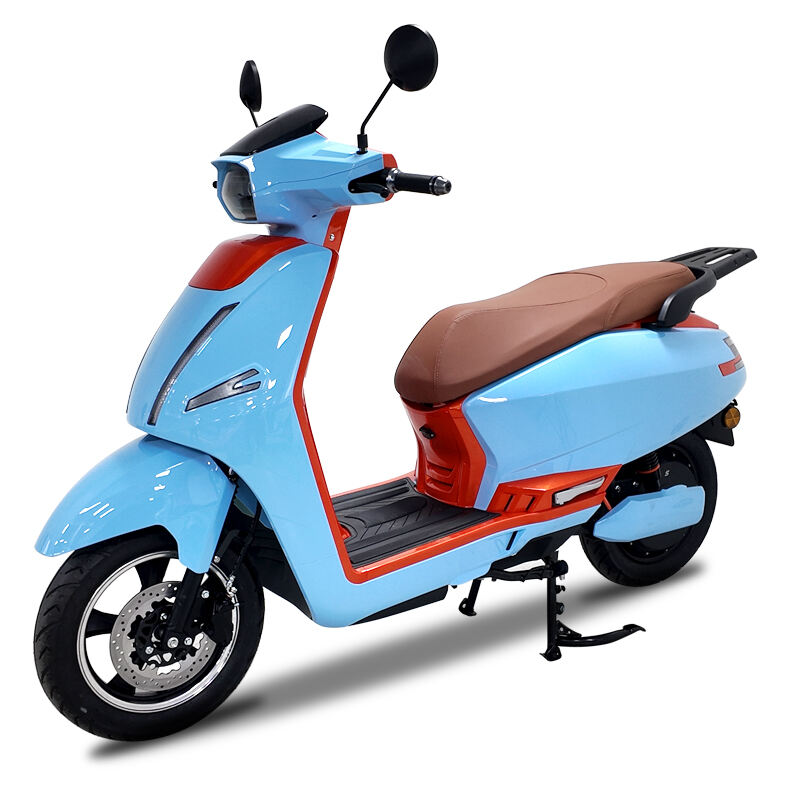
The transportation industry is witnessing a revolutionary shift toward sustainable mobility solutions, with electric vehicles leading the charge. Among these innovations, the electric motorcycle 72v stands out as a remarkable achievement in engineering excellence and environmental responsibility. These advanced machines represent the perfect fusion of power, efficiency, and durability, offering riders an unparalleled experience that traditional gasoline motorcycles simply cannot match. The 72-volt system delivers exceptional performance while maintaining the reliability that modern commuters and enthusiasts demand.
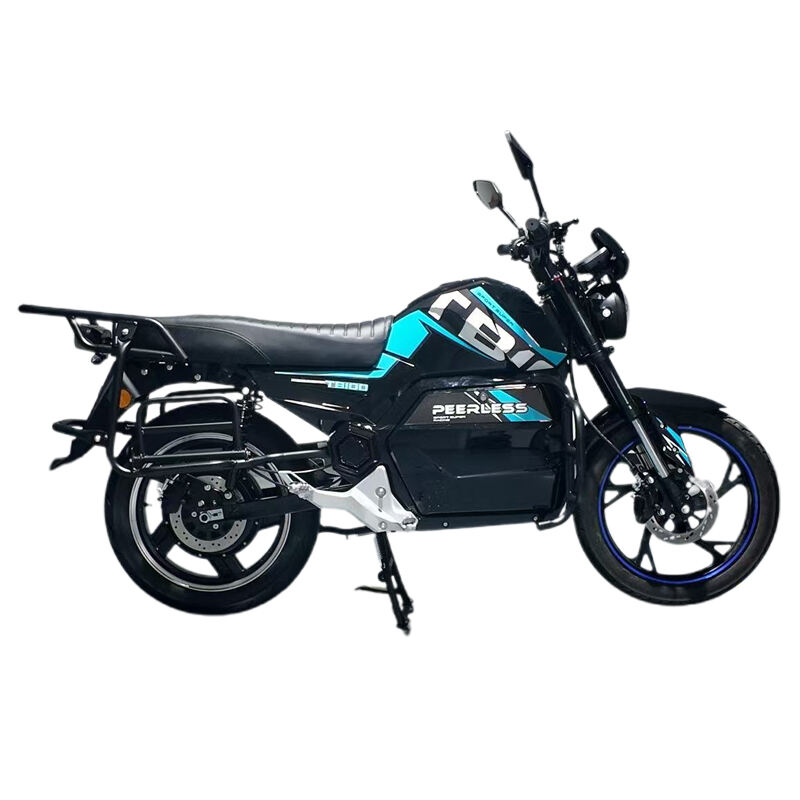
Advanced Battery Technology and Power Management
High-Voltage Architecture Benefits
The electric motorcycle 72v utilizes a sophisticated high-voltage architecture that fundamentally transforms how power is delivered and managed throughout the vehicle. This advanced system operates at a significantly higher voltage than standard electric motorcycles, typically running at 48V or 60V, which creates substantial advantages in terms of efficiency and performance. The higher voltage allows for reduced current flow while maintaining the same power output, resulting in less heat generation and improved overall system efficiency.
This innovative approach to power management extends far beyond simple voltage increases. The 72V system enables more precise control over motor performance, allowing for smoother acceleration curves and better regenerative braking capabilities. Riders experience more responsive throttle control and consistent power delivery across various riding conditions, whether navigating city streets or tackling challenging terrain.
Battery Cell Configuration and Longevity
The battery configuration in an electric motorcycle 72v typically consists of high-quality lithium-ion cells arranged in a series-parallel configuration to achieve the desired voltage and capacity. This arrangement not only provides the necessary power but also ensures optimal load distribution across individual cells, preventing premature degradation and extending overall battery life. Advanced battery management systems continuously monitor cell voltages, temperatures, and charge states to maintain peak performance.
Modern 72V electric motorcycle batteries incorporate thermal management systems that actively regulate operating temperatures, preventing both overheating and excessive cooling that could damage the cells. This thermal control, combined with sophisticated charging algorithms, can extend battery life to over 1,000 charge cycles while maintaining 80% of original capacity, representing a significant improvement over earlier electric motorcycle designs.
Motor Performance and Efficiency Optimization
Brushless Motor Technology
The heart of every electric motorcycle 72v lies in its brushless DC motor, engineered to maximize the benefits of the high-voltage system. These motors eliminate the friction and wear associated with traditional brushed motors, resulting in significantly improved efficiency ratings often exceeding 90%. The absence of brushes reduces maintenance requirements while providing more consistent power output over the motor's operational lifetime.
The precision engineering of these motors allows for variable speed control that responds instantaneously to rider inputs. Unlike internal combustion engines that require time to build torque through gear changes, electric motorcycle 72v systems deliver maximum torque immediately from a standstill, providing exhilarating acceleration that surpasses many conventional motorcycles in their respective classes.
Regenerative Braking Systems
One of the most significant efficiency advantages of the electric motorcycle 72v is its sophisticated regenerative braking system. When the rider applies the brakes or releases the throttle, the motor switches roles and becomes a generator, converting the motorcycle's kinetic energy back into electrical energy that charges the battery. This process not only extends range but also reduces wear on traditional brake components.
The regenerative braking system in a quality electric motorcycle 72v can recover up to 15-20% of the energy used during typical urban riding conditions. This energy recovery becomes particularly valuable in stop-and-go traffic situations where traditional motorcycles waste significant amounts of fuel through idling and frequent braking.
Durability Engineering and Component Quality
Weather Resistance and Environmental Protection
The durability of an electric motorcycle 72v largely depends on its ability to withstand various environmental challenges. Manufacturers implement comprehensive sealing systems that protect electrical components from moisture, dust, and debris. The battery pack typically receives an IP65 or IP67 rating, ensuring complete protection against water ingress even during heavy rain or when washing the motorcycle.
Beyond basic water resistance, the electric motorcycle 72v incorporates corrosion-resistant materials and protective coatings throughout its construction. Aluminum alloy frames, stainless steel fasteners, and specially treated electrical connections ensure that the motorcycle maintains its structural integrity and electrical reliability even in harsh coastal environments or areas with road salt exposure.
Mechanical Component Longevity
The simplified mechanical design of an electric motorcycle 72v contributes significantly to its exceptional durability. With fewer moving parts compared to internal combustion motorcycles, there are fewer components subject to wear and failure. The absence of a traditional transmission, clutch, and complex engine internals eliminates many common maintenance issues while reducing the total cost of ownership over the motorcycle's lifespan.
High-quality bearings, sealed electrical connections, and robust chassis construction ensure that the electric motorcycle 72v can withstand the stresses of daily use while maintaining performance standards. Many manufacturers back their products with extensive warranties that reflect confidence in the long-term reliability of these advanced electrical systems.
Charging Infrastructure and Range Optimization
Fast Charging Capabilities
The electric motorcycle 72v benefits from advanced charging technologies that significantly reduce downtime between rides. Modern charging systems can replenish the battery from 20% to 80% capacity in as little as 45-60 minutes using appropriate fast-charging equipment. This rapid charging capability makes the electric motorcycle 72v practical for longer journeys and commercial applications where minimal downtime is essential.
Smart charging systems automatically adjust charging rates based on battery temperature, state of charge, and available power supply characteristics. These intelligent systems prevent overcharging while optimizing charging speed, ensuring that the battery receives the appropriate power level throughout the charging cycle to maintain long-term health and performance.
Range Management and Efficiency Modes
Contemporary electric motorcycle 72v models incorporate multiple riding modes that allow riders to optimize performance based on their specific needs and riding conditions. Eco mode maximizes range by limiting power output and adjusting throttle response curves, while sport mode provides maximum acceleration and top speed capabilities. These selectable modes give riders control over the balance between performance and efficiency.
Advanced energy management systems continuously monitor riding patterns, terrain conditions, and remaining battery capacity to provide accurate range estimates. Real-time efficiency feedback helps riders adjust their riding style to maximize range, while predictive algorithms can suggest optimal routes based on elevation changes, traffic conditions, and available charging stations.
Cost Efficiency and Economic Advantages
Operational Cost Savings
The electric motorcycle 72v offers substantial economic advantages over traditional gasoline motorcycles through dramatically reduced operational costs. Electricity costs significantly less than gasoline on a per-mile basis, with many riders experiencing operational costs as low as 2-3 cents per mile. These savings become particularly significant for high-mileage riders or commercial applications where fuel costs represent a major operational expense.
Maintenance requirements for the electric motorcycle 72v are minimal compared to conventional motorcycles. The absence of oil changes, spark plug replacements, air filter servicing, and other routine engine maintenance tasks reduces both scheduled maintenance costs and unexpected repair expenses. Most maintenance involves periodic inspection of electrical connections, tire pressure checks, and brake system maintenance.
Government Incentives and Tax Benefits
Many regions offer substantial financial incentives for electric motorcycle 72v purchases, including tax credits, rebates, and reduced registration fees. These incentives can offset a significant portion of the initial purchase price, making electric motorcycles more competitive with traditional alternatives. Additionally, some areas provide access to HOV lanes, free parking, and reduced toll charges for electric vehicles.
The long-term value retention of the electric motorcycle 72v tends to be superior to gasoline motorcycles due to the durability of electrical components and the growing demand for sustainable transportation solutions. As charging infrastructure continues to expand and battery technology improves, early adopters often find that their electric motorcycles maintain strong resale values.
FAQ
How long does the battery last in an electric motorcycle 72v?
The battery in a quality electric motorcycle 72v typically lasts 5-8 years or approximately 1,000-1,500 charge cycles before requiring replacement. With proper care and optimal charging practices, many riders achieve battery life extending beyond these estimates. Factors affecting battery longevity include charging habits, operating temperatures, and overall usage patterns.
What is the typical range of an electric motorcycle 72v on a single charge?
Most electric motorcycle 72v models provide a range of 60-120 miles per charge, depending on battery capacity, riding conditions, and selected performance mode. Urban riding with frequent stops typically yields higher range due to regenerative braking benefits, while highway riding at sustained high speeds may reduce overall range.
How does the performance of a 72V electric motorcycle compare to gasoline motorcycles?
The electric motorcycle 72v typically delivers superior acceleration compared to equivalent gasoline motorcycles due to instant torque availability. While top speeds may be similar or slightly lower, the immediate power delivery and smooth acceleration provide a distinctly different and often preferred riding experience for many riders.
What maintenance is required for an electric motorcycle 72v?
Maintenance requirements are minimal and primarily involve periodic inspection of electrical connections, tire pressure monitoring, brake system checks, and software updates. Unlike gasoline motorcycles, there are no oil changes, spark plug replacements, or complex engine maintenance requirements, significantly reducing both maintenance frequency and costs.