
 EN
EN
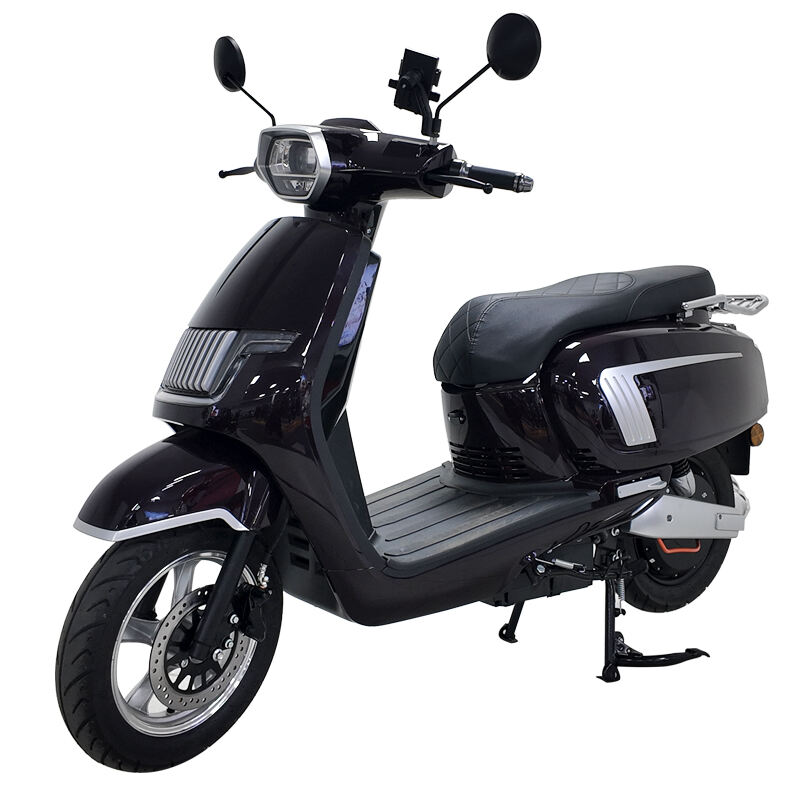
The modern urban landscape demands sustainable transportation solutions that don't compromise on performance or comfort. An electric motorcycle for adults represents the perfect fusion of environmental consciousness and riding satisfaction, offering a compelling alternative to traditional gas-powered vehicles. As cities worldwide implement stricter emission regulations and fuel costs continue to rise, discerning riders are increasingly turning to electric motorcycles that deliver both power and comfort without the environmental impact.
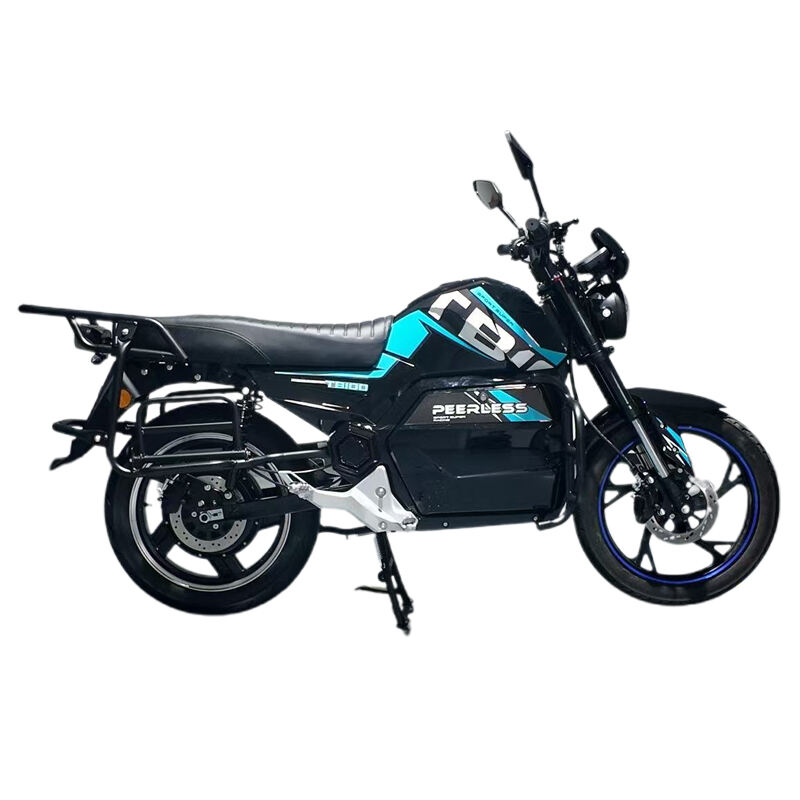
Today's electric motorcycle for adults technology has reached unprecedented levels of sophistication, incorporating advanced battery management systems, regenerative braking, and intelligent power distribution. These innovations enable manufacturers to create machines that rival traditional motorcycles in terms of acceleration, top speed, and range while providing a remarkably smooth and quiet riding experience. The evolution of electric motor technology has eliminated many of the early concerns about electric vehicle performance, making them viable options for both daily commuting and recreational riding.
The appeal of an electric motorcycle for adults extends beyond mere environmental benefits. Riders appreciate the instant torque delivery, minimal maintenance requirements, and significantly reduced operating costs compared to conventional motorcycles. Modern electric motorcycles incorporate sophisticated suspension systems, ergonomic seating arrangements, and advanced connectivity features that enhance both comfort and safety during extended rides.
Power Performance and Technical Specifications
Motor Technology and Torque Delivery
The heart of any exceptional electric motorcycle for adults lies in its motor configuration and power management system. Contemporary electric motorcycles utilize permanent magnet synchronous motors or brushless DC motors that deliver power with remarkable efficiency and precision. These motors provide instant torque from zero RPM, creating an acceleration experience that surpasses many traditional motorcycles in the same power category.
Advanced motor controllers regulate power delivery to ensure smooth acceleration curves and optimal energy utilization. The integration of regenerative braking systems not only extends battery life but also provides additional deceleration control, enhancing the overall riding experience. High-quality electric motorcycle for adults models feature motors ranging from 3kW to 15kW, with some performance-oriented variants exceeding 20kW for exceptional acceleration and top speed capabilities.
Power management systems incorporate multiple riding modes that adjust motor response characteristics to match different riding conditions and preferences. Eco mode maximizes range by limiting power output and optimizing energy consumption, while sport mode unleashes full power for dynamic riding experiences. These versatile power settings allow riders to customize their electric motorcycle for adults performance based on specific requirements and riding situations.
Battery Technology and Range Considerations
Battery technology represents the cornerstone of electric motorcycle for adults performance and usability. Modern lithium-ion battery packs utilize advanced cell chemistry and thermal management systems to deliver impressive range and longevity. High-capacity battery packs typically range from 2kWh to 8kWh, with some premium models featuring even larger capacities for extended range capabilities.
Intelligent battery management systems monitor individual cell voltages, temperatures, and charge states to optimize performance and prevent degradation. These systems also provide real-time range estimates and charging recommendations, helping riders plan their journeys effectively. Many electric motorcycle for adults models feature removable battery packs, allowing for convenient charging at home or office locations without requiring dedicated motorcycle parking with charging infrastructure.
Fast-charging capabilities have become standard features in premium electric motorcycle for adults designs, with many models supporting rapid charging protocols that can replenish 80% of battery capacity in under two hours. Some advanced systems incorporate DC fast charging ports compatible with automotive charging networks, significantly expanding charging options for long-distance travel.
Comfort Features and Ergonomic Design
Seating and Riding Position Optimization
Comfort remains paramount in electric motorcycle for adults design, with manufacturers investing heavily in ergonomic research and development. Premium seating systems feature multi-density foam construction with memory foam layers that provide excellent support during extended rides. The absence of engine vibration in electric motorcycles allows for more refined seat design, as traditional anti-vibration measures become unnecessary.
Adjustable riding positions accommodate riders of various heights and preferences, with many electric motorcycle for adults models featuring adjustable handlebars, footpeg positions, and seat height options. The lower center of gravity achieved through floor-mounted battery placement contributes to improved stability and handling characteristics, enhancing rider confidence across various riding conditions.
Climate control features, including heated grips and seats, are increasingly common in electric motorcycle for adults designs. These comfort enhancements utilize the available electrical power efficiently, providing warmth during cold weather riding without significantly impacting range. Advanced models may incorporate ventilated seating systems for hot climate riding comfort.
Suspension and Handling Characteristics
Superior suspension systems distinguish premium electric motorcycle for adults models from basic transportation alternatives. Adjustable front forks and rear shock absorbers allow riders to fine-tune suspension settings based on load conditions, riding style, and road surface characteristics. Many models feature progressive suspension rates that provide comfort during casual riding while maintaining stability during aggressive cornering.
The unique weight distribution of electric motorcycle for adults designs, with heavy battery packs mounted low in the chassis, creates handling characteristics that many riders find superior to traditional motorcycles. This low center of gravity reduces the effort required for direction changes and contributes to enhanced stability during braking and acceleration.
Advanced suspension designs incorporate electronic damping adjustment systems that automatically adapt to riding conditions and preferences. These systems monitor factors such as acceleration, braking forces, and cornering loads to optimize suspension behavior in real-time, providing an exceptionally refined riding experience across diverse conditions.
Advanced Technology Integration
Digital Connectivity and Smart Features
Modern electric motorcycle for adults designs embrace comprehensive digital integration to enhance the riding experience and provide valuable operational insights. Full-color TFT displays present critical information including speed, range estimates, power consumption, navigation data, and connectivity status in easily readable formats. These displays often feature customizable layouts that allow riders to prioritize the information most relevant to their riding style.
Smartphone connectivity enables remote monitoring and control capabilities, allowing owners to check battery status, locate their electric motorcycle for adults, and receive maintenance notifications through dedicated mobile applications. Some advanced systems support over-the-air software updates that can improve performance characteristics, add new features, and enhance security protocols without requiring service visits.
Integrated navigation systems with real-time traffic updates help riders plan efficient routes while considering charging station locations and current battery levels. Voice command integration allows hands-free operation of communication and navigation functions, enhancing safety during rides.
Safety and Security Systems
Comprehensive safety systems distinguish quality electric motorcycle for adults models from basic alternatives. Anti-lock braking systems (ABS) prevent wheel lockup during emergency braking situations, while traction control systems monitor wheel slip and adjust power delivery to maintain optimal grip. These electronic safety aids work seamlessly with the instant torque characteristics of electric motors to provide exceptional control and confidence.
Advanced security features include GPS tracking, immobilizer systems, and smartphone-based alarm functions that protect against theft and unauthorized use. Some electric motorcycle for adults models feature geofencing capabilities that alert owners if their vehicle leaves designated areas, providing additional peace of mind for urban parking situations.
Collision detection systems and emergency response features represent the cutting edge of electric motorcycle for adults safety technology. These systems can automatically contact emergency services and designated contacts in the event of an accident, potentially reducing response times and improving outcomes in critical situations.
Environmental Impact and Sustainability
Emission Reduction and Carbon Footprint
The environmental advantages of choosing an electric motorcycle for adults extend far beyond zero local emissions. Life-cycle analyses demonstrate significant reductions in total carbon footprint compared to gasoline motorcycles, even when accounting for electricity generation and battery manufacturing processes. As electrical grids incorporate increasing percentages of renewable energy sources, these environmental benefits continue to improve.
Urban air quality improvements from widespread electric motorcycle for adults adoption could have profound public health implications, particularly in densely populated metropolitan areas where transportation emissions contribute significantly to air pollution. The absence of exhaust emissions eliminates particulate matter, nitrogen oxides, and hydrocarbon pollutants that traditional motorcycles produce during operation.
Noise pollution reduction represents another significant environmental benefit of electric motorcycle for adults adoption. The quiet operation of electric motors reduces urban noise levels, contributing to more pleasant living environments and reduced stress levels for urban residents. This benefit becomes particularly pronounced during early morning and late evening hours when noise restrictions typically apply to traditional motorcycles.
Sustainable Manufacturing and Recycling
Responsible manufacturers prioritize sustainable production processes and materials selection in their electric motorcycle for adults designs. Advanced recycling programs for battery components ensure that valuable materials like lithium, cobalt, and rare earth elements can be recovered and reused in new products, reducing the environmental impact of mining operations.
Sustainable material choices extend beyond battery components to include recyclable plastics, responsibly sourced metals, and biodegradable packaging materials. Some manufacturers incorporate recycled materials in their electric motorcycle for adults construction, demonstrating commitment to circular economy principles.
End-of-life vehicle recycling programs ensure that electric motorcycle for adults components can be properly processed and reused when vehicles reach the end of their service lives. These programs often include take-back initiatives where manufacturers accept old vehicles and ensure responsible disposal or refurbishment of usable components.
Economic Advantages and Cost Analysis
Operational Cost Benefits
The economic advantages of electric motorcycle for adults ownership become apparent through detailed cost analysis comparing operational expenses with traditional motorcycles. Electricity costs for charging typically represent a fraction of gasoline expenses for equivalent mileage, with many owners reporting energy costs below one-tenth of gasoline expenses for similar riding patterns.
Maintenance requirements for electric motorcycle for adults models are significantly reduced compared to internal combustion engines. The absence of oil changes, air filter replacements, spark plug maintenance, and complex transmission services substantially reduces ongoing maintenance costs and service intervals. Many electric motorcycles require only periodic brake inspections, tire replacements, and basic electrical system checks.
Insurance costs for electric motorcycle for adults models often reflect the enhanced safety features and lower theft rates compared to traditional motorcycles. Some insurance providers offer specific discounts for electric vehicle owners, recognizing the reduced risk factors associated with modern electric motorcycle designs.
Government Incentives and Tax Benefits
Many jurisdictions offer substantial financial incentives for electric motorcycle for adults purchases, including direct purchase rebates, tax credits, and reduced registration fees. These incentives can significantly offset the initial purchase price premium compared to traditional motorcycles, making electric options more accessible to a broader range of buyers.
Corporate fleet operators may benefit from additional tax advantages and depreciation benefits when incorporating electric motorcycle for adults vehicles into their transportation fleets. Some regions offer accelerated depreciation schedules for electric vehicles, providing additional tax benefits for business purchasers.
Access to high-occupancy vehicle lanes, reduced parking fees, and exemptions from congestion charges in some cities provide additional economic benefits that can substantially reduce the total cost of electric motorcycle for adults ownership in urban environments.
Market Trends and Future Developments
Industry Growth and Innovation Trajectory
The electric motorcycle for adults market continues experiencing unprecedented growth rates as technology improvements and cost reductions accelerate adoption across diverse market segments. Industry projections indicate substantial market expansion over the next decade, driven by improving battery technology, expanding charging infrastructure, and increasing environmental awareness among consumers.
Technological innovations in electric motorcycle for adults design focus on improved energy density, faster charging capabilities, and enhanced connectivity features. Solid-state battery technology promises to deliver even greater energy density and faster charging times, potentially eliminating range anxiety concerns that may deter some potential buyers.
Artificial intelligence integration represents the next frontier in electric motorcycle for adults development, with predictive maintenance systems, adaptive performance optimization, and enhanced safety features utilizing machine learning algorithms to improve the riding experience continuously.
Infrastructure Development and Charging Networks
Charging infrastructure development continues expanding rapidly to support growing electric motorcycle for adults adoption rates. Fast-charging networks specifically designed for electric motorcycles are emerging in major metropolitan areas, providing convenient charging options for both local and long-distance travel.
Workplace charging programs and residential charging solutions make electric motorcycle for adults ownership increasingly practical for daily commuting applications. Some employers offer dedicated electric vehicle charging as part of employee benefits packages, further supporting adoption in professional environments.
Smart charging systems integrate with electrical grids to optimize charging times and costs, often utilizing renewable energy sources during peak generation periods. These systems can significantly reduce charging costs while supporting grid stability and renewable energy utilization.
FAQ
What is the typical range of an electric motorcycle for adults on a single charge?
Modern electric motorcycle for adults models typically offer ranges between 50 to 200 miles on a single charge, depending on battery capacity, riding conditions, and power settings. Premium models with larger battery packs can achieve even greater ranges, while eco-mode settings can extend range significantly for urban commuting applications. Factors such as rider weight, terrain, weather conditions, and riding style all influence actual range performance.
How long does it take to charge an electric motorcycle for adults?
Charging times for electric motorcycle for adults vary based on battery capacity and charging method. Standard household outlets typically require 6-8 hours for full charging, while dedicated Level 2 charging stations can complete charging in 2-4 hours. Fast-charging systems can replenish 80% of battery capacity in 30-60 minutes, making them suitable for quick stops during longer journeys. Many models feature removable batteries that can be charged indoors for added convenience.
What maintenance is required for an electric motorcycle for adults?
Electric motorcycle for adults maintenance requirements are significantly reduced compared to traditional motorcycles. Typical maintenance includes periodic brake inspections and adjustments, tire pressure checks and replacements, chain lubrication if equipped with chain drive, and basic electrical system inspections. Battery systems typically require no regular maintenance beyond keeping terminals clean and monitoring charging habits for optimal longevity. Most electric motorcycles require professional service only annually or every 5,000-10,000 miles.
Are electric motorcycles for adults suitable for highway riding?
Many electric motorcycle for adults models are well-suited for highway riding, with top speeds exceeding 80 mph and acceleration capabilities that match or exceed traditional motorcycles. Highway range depends on riding speed and conditions, but most modern electric motorcycles can comfortably handle highway commuting and touring applications. Wind resistance at highway speeds does reduce range compared to city riding, so trip planning should account for this factor when undertaking longer highway journeys.