
 EN
EN
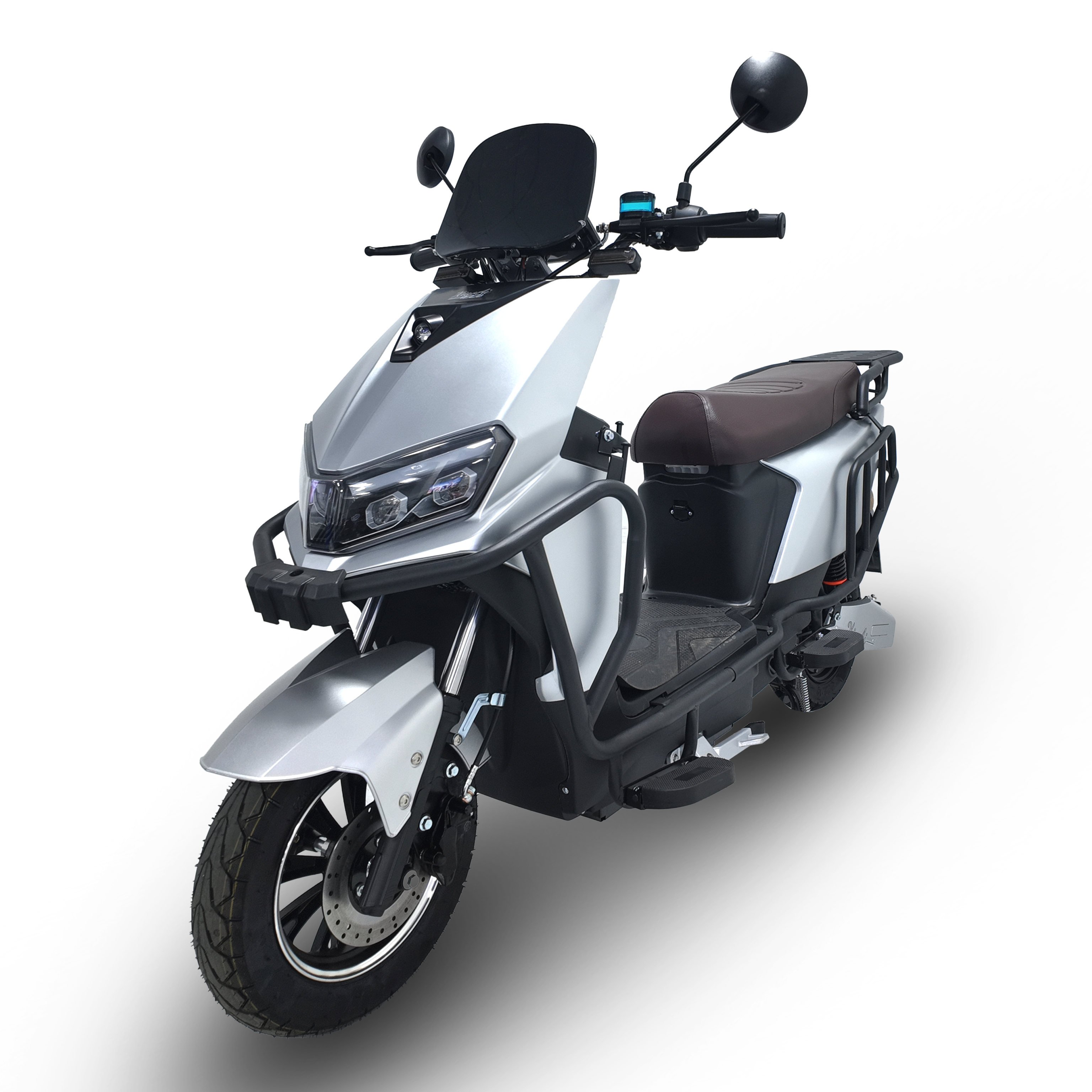
Electric motorcycles are revolutionizing the way riders experience urban mobility and recreational transportation. For those considering their first emotorcycle purchase, understanding the key factors that influence performance, reliability, and overall riding experience becomes crucial. Modern electric motorcycle technology has advanced significantly, offering compelling alternatives to traditional gasoline-powered bikes while delivering unique benefits that appeal to environmentally conscious riders and technology enthusiasts alike.
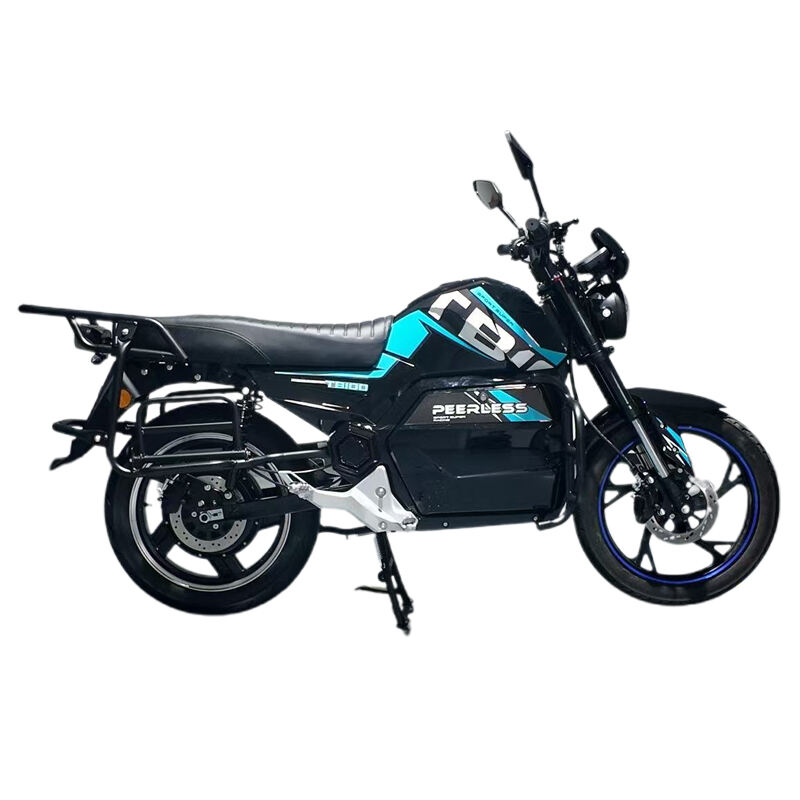
The transition from conventional motorcycles to electric alternatives requires careful evaluation of several technical and practical considerations. Battery technology, motor specifications, charging infrastructure, and maintenance requirements all play vital roles in determining whether a specific emotorcycle model meets individual rider needs and expectations. Additionally, regulatory compliance, insurance considerations, and long-term ownership costs contribute to the decision-making process that first-time electric motorcycle buyers must navigate.
Battery Technology and Range Considerations
Understanding Battery Chemistry and Performance
Lithium-ion battery systems power most modern emotorcycle models, delivering varying levels of energy density, charging speed, and operational longevity. The battery capacity, measured in kilowatt-hours, directly impacts the vehicle's range and performance characteristics. High-quality battery cells typically provide 500 to 1000 charge cycles before experiencing significant capacity degradation, making battery warranty coverage an essential consideration for prospective buyers.
Temperature management systems protect battery cells from extreme conditions that could reduce performance or cause permanent damage. Advanced emotorcycle designs incorporate thermal regulation technology that maintains optimal battery operating temperatures across diverse environmental conditions. Riders should evaluate how different models handle temperature extremes, particularly if they plan to operate their electric motorcycles in regions with harsh winters or intense summer heat.
Range Planning and Charging Strategies
Realistic range expectations help riders avoid range anxiety and plan effective charging routines. Most entry-level emotorcycle models provide 40 to 80 miles of city riding range, while premium models may exceed 150 miles per charge. Riding style, terrain, weather conditions, and cargo weight significantly influence actual range performance, often reducing manufacturer specifications by 20 to 30 percent under real-world conditions.
Charging infrastructure availability varies dramatically by geographic region, making location-specific research essential before purchasing an emotorcycle. Level 1 charging through standard household outlets typically requires 6 to 12 hours for complete battery restoration, while Level 2 charging stations can reduce charging time to 2 to 4 hours. Fast-charging capabilities, when available, may replenish 80 percent battery capacity within 30 to 60 minutes, though frequent fast charging can accelerate battery degradation.
Motor Performance and Drive Systems
Electric Motor Characteristics
Brushless DC motors dominate emotorcycle applications due to their efficiency, reliability, and minimal maintenance requirements. Motor power ratings, expressed in kilowatts or horsepower, determine acceleration performance and top speed capabilities. Most electric motorcycles designed for urban commuting feature motors between 3 to 15 kilowatts, while performance-oriented models may exceed 30 kilowatts for highway-capable speeds and rapid acceleration.
Torque delivery characteristics distinguish electric motors from internal combustion engines, providing maximum torque immediately upon acceleration. This instant torque availability creates responsive throttle behavior that many riders find more engaging than traditional motorcycle power delivery. However, the linear power band of electric motors requires adaptation for riders accustomed to multi-gear transmissions and variable power curves typical of gasoline engines.
Transmission and Drive Configuration
Most emotorcycle designs eliminate traditional multi-speed transmissions in favor of single-speed reduction drives that simplify operation and maintenance. Direct drive systems connect the motor directly to the rear wheel through a chain, belt, or shaft drive mechanism. This configuration reduces mechanical complexity while providing smooth, quiet operation that appeals to urban riders seeking refined transportation experiences.
Regenerative braking systems recover energy during deceleration, extending range while providing additional stopping power. Advanced regenerative braking implementations allow riders to adjust recovery intensity, enabling one-pedal riding techniques that maximize efficiency. The integration of regenerative and friction braking systems requires careful calibration to ensure predictable stopping performance across various operating conditions.
Infrastructure and Charging Considerations
Home Charging Setup Requirements
Establishing reliable home charging infrastructure represents a critical step for emotorcycle ownership success. Standard 120-volt outlets provide basic charging capability, though dedicated 240-volt circuits significantly reduce charging time and improve convenience. Professional electrical installation may be necessary to ensure adequate power supply and proper safety compliance, particularly for higher-capacity charging systems.
Charging station placement considerations include weather protection, security, and cable management to prevent damage or theft. Many riders install weatherproof charging stations in garages or covered parking areas, while others rely on portable charging units that can be stored indoors when not in use. The availability of secure charging locations becomes particularly important for riders without private parking access.
Public Charging Network Accessibility
Public charging infrastructure continues expanding, though availability varies significantly between urban and rural areas. Mapping applications and network-specific mobile apps help riders locate compatible charging stations and monitor availability status. Some emotorcycle manufacturers partner with charging networks to provide preferential access or reduced charging costs for their customers.
Charging connector standardization remains inconsistent across different emotorcycle brands and charging networks. Riders should verify connector compatibility between their chosen motorcycle model and local charging infrastructure to avoid inconvenient adapter requirements or incompatible charging stations. Universal charging adapters may provide compatibility across multiple connector types, though they can introduce additional complexity and potential failure points.
Safety Features and Riding Dynamics
Advanced Safety Technologies
Modern emotorcycle designs incorporate sophisticated safety systems that enhance rider protection and vehicle stability. Anti-lock braking systems prevent wheel lockup during emergency stops, while traction control systems manage power delivery to maintain rear wheel grip on slippery surfaces. These electronic safety aids prove particularly valuable for inexperienced riders transitioning to electric motorcycle operation.
Stability control systems monitor vehicle dynamics and intervene when detecting potential loss of control situations. Some advanced emotorcycle models include lean angle sensors and cornering ABS that optimize braking performance while leaned over in turns. LED lighting systems improve visibility while consuming minimal electrical energy, extending range while enhancing safety during low-light conditions.
Handling and Ergonomic Considerations
Weight distribution affects handling characteristics, as battery placement influences the motorcycle's center of gravity and balance. Low-mounted battery packs typically improve stability and cornering behavior, while high-mounted batteries may create top-heavy handling that requires adjustment for riders accustomed to conventional motorcycles. The absence of engine vibration creates a smoother riding experience but may reduce feedback that helps riders gauge vehicle performance.
Seat height, handlebar position, and footpeg placement determine rider comfort and control authority. Many emotorcycle manufacturers offer adjustable ergonomic components to accommodate different rider sizes and preferences. Wind protection, suspension tuning, and tire selection further influence ride quality and comfort during extended journeys.
Cost Analysis and Value Proposition
Initial Purchase Price Considerations
Electric motorcycle pricing varies widely based on performance specifications, build quality, and included features. Entry-level emotorcycle models typically cost between $3,000 to $8,000, while premium models with advanced features and higher performance capabilities may exceed $20,000. Government incentives and rebates can significantly reduce effective purchase prices in many regions, making electric motorcycles more financially attractive compared to gasoline alternatives.
Financing options and warranty coverage influence total ownership costs beyond the initial purchase price. Extended warranty programs may cover battery replacement costs, which represent the most expensive potential repair expense for emotorcycle owners. Comprehensive insurance coverage requirements vary by region and may differ from traditional motorcycle policies due to unique risk factors associated with electric vehicle technology.
Operating Cost Advantages
Electricity costs per mile typically represent a fraction of gasoline expenses, particularly when charging during off-peak utility rates. Many emotorcycle owners report operating costs between 2 to 5 cents per mile, compared to 10 to 15 cents per mile for equivalent gasoline motorcycles. Time-of-use electricity rates can further reduce charging costs for riders able to schedule charging during low-demand periods.
Maintenance requirements for electric motorcycles are significantly reduced compared to internal combustion engines. The absence of oil changes, spark plug replacements, air filter services, and valve adjustments eliminates many routine maintenance tasks and associated costs. However, specialized service requirements for electrical systems and software updates may require dealer visits or certified technician involvement.
Environmental Impact and Sustainability
Carbon Footprint Reduction
Electric motorcycles produce zero direct emissions during operation, contributing to improved urban air quality and reduced noise pollution. The environmental benefit of emotorcycle adoption depends heavily on the electrical grid's energy source composition in specific geographic regions. Areas with high renewable energy penetration provide greater environmental advantages compared to regions dependent on coal or natural gas power generation.
Battery manufacturing processes involve mining and refining operations that generate environmental impacts, though these effects are typically offset within 6 to 18 months of normal emotorcycle operation. End-of-life battery recycling programs are expanding to recover valuable materials and minimize waste disposal environmental consequences. Many manufacturers now offer battery recycling services or partner with specialized recycling facilities.
Long-term Sustainability Benefits
The operational longevity of electric motorcycles often exceeds gasoline equivalents due to fewer moving parts and reduced mechanical wear. Battery technology improvements continue advancing energy density and cycle life, while costs decline due to manufacturing scale increases. These trends suggest that emotorcycle ownership will become increasingly attractive from both environmental and economic perspectives.
Integration with renewable energy systems allows riders to achieve complete carbon neutrality when powered by solar, wind, or hydroelectric sources. Home solar installations can provide emotorcycle charging energy while reducing overall household electricity costs. Smart charging systems optimize energy consumption timing to maximize renewable energy utilization and minimize grid impact during peak demand periods.
Technology Integration and Connectivity
Smart Features and Mobile Integration
Contemporary emotorcycle designs increasingly incorporate smartphone connectivity and mobile application integration. These systems provide real-time battery status monitoring, charging station location services, and ride analytics that help optimize performance and efficiency. Remote diagnostics capabilities enable proactive maintenance scheduling and troubleshooting support without requiring physical inspection.
GPS navigation integration and theft protection features add value and security for emotorcycle owners. Some models include immobilizer systems that prevent unauthorized operation and GPS tracking capabilities that assist recovery efforts if theft occurs. Over-the-air software updates can improve performance characteristics, add new features, or address identified issues without requiring dealer visits.
Future-Proofing and Upgradability
Modular design approaches allow certain emotorcycle components to be upgraded or replaced as technology advances. Removable battery packs enable capacity upgrades or replacement without complete vehicle replacement, extending functional lifespan and maintaining performance as battery technology improves. Standardized communication protocols facilitate aftermarket accessory integration and future compatibility.
Software-defined vehicle characteristics enable performance tuning and customization through programming rather than mechanical modifications. Riders can adjust power delivery, regenerative braking intensity, and handling characteristics to match personal preferences or specific riding conditions. These capabilities provide personalization options that exceed what is practical with conventional motorcycles.
FAQ
How long do emotorcycle batteries typically last before requiring replacement
Most modern emotorcycle batteries maintain 80 percent or more of their original capacity for 5 to 8 years under normal usage conditions. Battery lifespan depends on charging habits, operating temperature ranges, and total miles accumulated. Proper charging practices, including avoiding complete discharge cycles and minimizing fast charging frequency, can extend battery life significantly. Many manufacturers provide 3 to 5 year warranties on battery systems, with some offering capacity guarantees that protect against premature degradation.
What charging options are available for emotorcycle owners without garage access
Apartment dwellers and riders without private parking can utilize workplace charging stations, public Level 2 chargers, or portable charging solutions. Many employers now provide charging facilities for employee electric vehicles, including motorcycles. Public charging networks continue expanding in urban areas, offering paid charging services at shopping centers, parking facilities, and dedicated charging stations. Some emotorcycle models feature removable battery packs that can be charged indoors using standard electrical outlets.
Are emotorcycles suitable for highway riding and long-distance travel
Highway capability varies significantly between emotorcycle models, with entry-level bikes typically limited to city speeds while premium models can maintain highway speeds for extended distances. Range limitations make long-distance touring challenging without careful route planning around charging infrastructure. However, improving battery technology and expanding fast-charging networks are gradually making longer trips more feasible. Riders should evaluate their typical riding patterns and route requirements when selecting an appropriate emotorcycle model.
What maintenance differences exist between electric and gasoline motorcycles
Electric motorcycles require significantly less routine maintenance than gasoline equivalents, eliminating oil changes, filter replacements, and engine tune-ups. However, emotorcycle owners must monitor tire wear, brake system condition, and electrical connections. Software updates may require periodic dealer visits, and battery conditioning procedures help maintain optimal performance. While maintenance frequency decreases, specialized knowledge requirements for electrical system service may limit service provider options in some areas.
Table of Contents
- Battery Technology and Range Considerations
- Motor Performance and Drive Systems
- Infrastructure and Charging Considerations
- Safety Features and Riding Dynamics
- Cost Analysis and Value Proposition
- Environmental Impact and Sustainability
- Technology Integration and Connectivity
-
FAQ
- How long do emotorcycle batteries typically last before requiring replacement
- What charging options are available for emotorcycle owners without garage access
- Are emotorcycles suitable for highway riding and long-distance travel
- What maintenance differences exist between electric and gasoline motorcycles