
 EN
EN
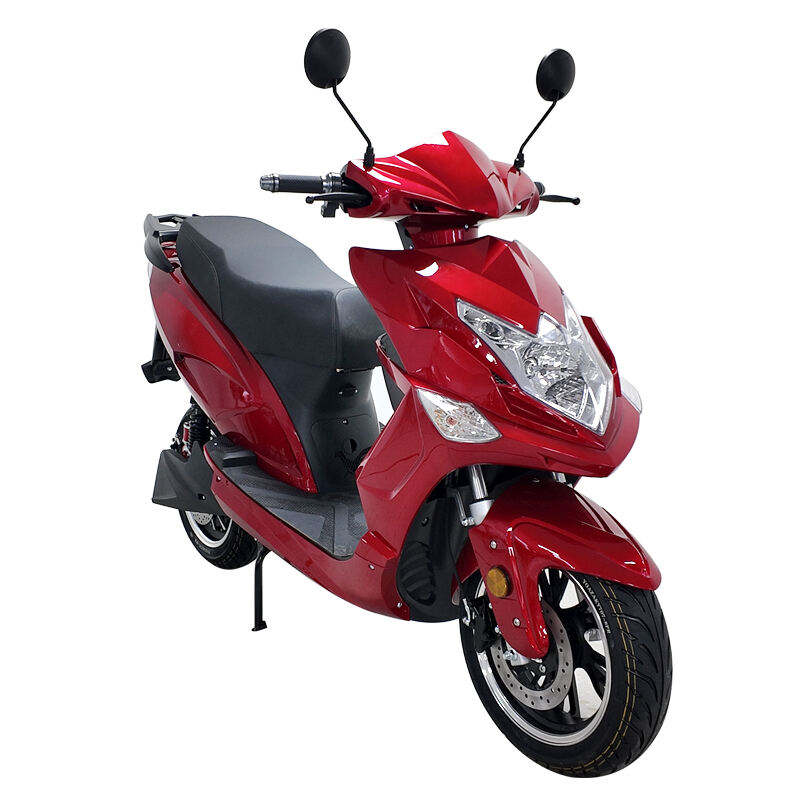
Daily commuting can be exhausting, especially when relying on traditional bicycles or motorcycles that demand significant physical effort and balance coordination. An electric tricycle offers a revolutionary solution for urban transportation, providing enhanced stability, reduced physical strain, and improved comfort for riders of all ages. The three-wheel design fundamentally changes the riding experience by eliminating balance concerns while electric assistance reduces pedaling effort, making daily commutes more enjoyable and less fatiguing.
The growing popularity of electric tricycles in urban environments reflects their practical advantages over conventional two-wheeled alternatives. Unlike traditional bicycles that require constant balance adjustments and physical stamina, an electric tricycle provides inherent stability through its third wheel configuration. This design innovation allows riders to focus on navigation and traffic awareness rather than maintaining equilibrium, significantly reducing mental and physical fatigue during extended rides.
Enhanced Stability and Balance Control
Three-Wheel Advantage for Stress Reduction
The fundamental design of an electric tricycle eliminates the primary source of riding fatigue: constant balance maintenance. Traditional two-wheeled vehicles require continuous micro-adjustments to maintain stability, engaging core muscles and creating subconscious tension throughout the ride. With three points of ground contact, riders can relax their posture and focus on enjoying their journey rather than fighting gravity.
This stability advantage becomes particularly pronounced during stops and starts in urban traffic. Riders no longer need to dismount or find support when waiting at traffic lights, reducing the physical strain associated with frequent starts and stops during city commuting. The electric tricycle remains upright independently, allowing riders to maintain a comfortable seated position throughout their entire journey.
Reduced Physical Strain on Core Muscles
Core muscle engagement required for balance on traditional bicycles creates cumulative fatigue over time, especially during longer commutes. An electric tricycle eliminates this constant muscle tension, allowing riders to adopt a more relaxed posture with minimal physical effort. The stable platform enables riders to carry bags, groceries, or work materials without compromising balance or safety.
Lower back strain, commonly experienced by bicycle commuters, significantly decreases when riding an electric tricycle. The stable seating position allows for proper spinal alignment without the need to lean forward aggressively or maintain rigid posture for balance purposes. This ergonomic advantage makes longer commutes more comfortable and sustainable for daily use.
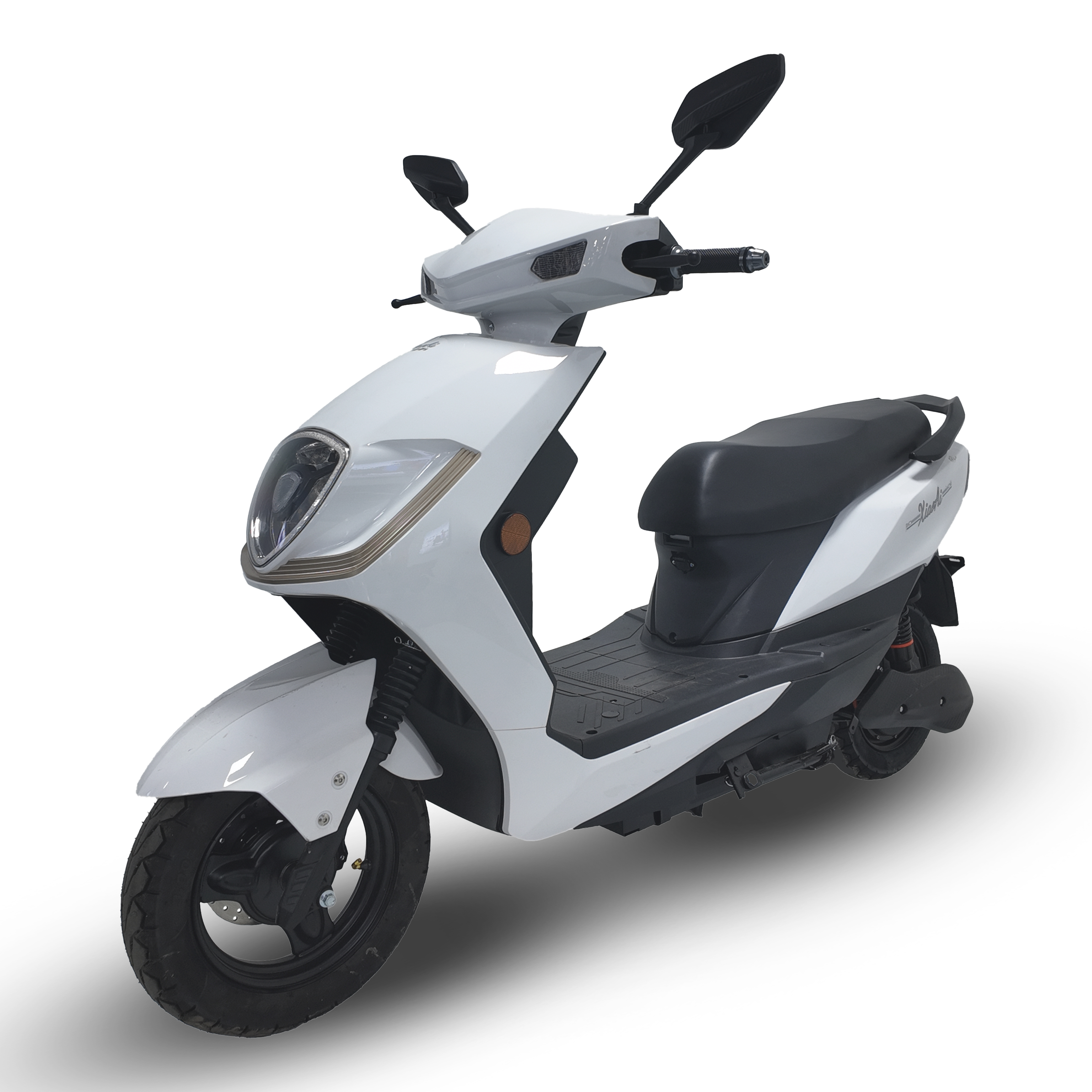
Electric Motor Assistance Benefits
Reduced Pedaling Effort and Energy Conservation
The electric motor in an electric tricycle provides variable assistance levels, allowing riders to customize their effort output based on terrain, weather conditions, and personal energy levels. This adaptability prevents overexertion during challenging portions of commutes, such as steep hills or headwinds, while still providing exercise benefits when desired. Riders arrive at destinations feeling refreshed rather than exhausted.
Battery-powered assistance eliminates the anxiety associated with running out of energy during longer commutes. Traditional bicycle riders often experience fatigue from anticipating difficult terrain ahead, but electric tricycle users can confidently tackle any route knowing motor assistance is available when needed. This psychological comfort significantly reduces pre-ride stress and mental fatigue.
Customizable Assistance Levels
Modern electric tricycle systems offer multiple assistance modes, from eco-friendly minimal support to maximum power assistance for challenging conditions. Riders can adjust these settings throughout their commute, using higher assistance when tired and lower settings when feeling energetic. This flexibility prevents the all-or-nothing fatigue cycles common with traditional bicycles.
Regenerative braking systems in advanced electric tricycle models help extend battery life while reducing physical strain on hand and arm muscles during frequent city stops. The motor assistance during acceleration from stops eliminates the leg fatigue associated with repeatedly getting traditional bicycles up to cruising speed in stop-and-go traffic conditions.
Ergonomic Design Features
Comfortable Seating and Riding Position
The seating design in most electric tricycle models prioritizes long-term comfort over aerodynamic efficiency. Wider, more cushioned seats distribute weight more evenly, reducing pressure points that cause discomfort during extended rides. The upright riding position maintains natural spinal curves, preventing the neck and shoulder tension common with forward-leaning bicycle postures.
Adjustable handlebars and seats in quality electric tricycle models accommodate different body types and riding preferences. This customization ensures optimal ergonomic positioning for each rider, reducing strain on joints and muscles throughout the commute. Proper fit significantly impacts fatigue levels, making professional sizing and adjustment valuable investments for regular commuters.
Suspension Systems and Ride Quality
Many electric tricycle models incorporate suspension systems that absorb road vibrations and impacts from uneven surfaces. This cushioning effect reduces the physical stress transmitted to riders' bodies, particularly important for urban commuting on varied road surfaces. Less vibration means reduced muscle tension and fatigue accumulation over time.
The additional wheel provides natural shock absorption through weight distribution across three contact points rather than two. This mechanical advantage smooths the ride experience and reduces the jarring impacts that contribute to rider fatigue on traditional bicycles. The result is a more comfortable journey that leaves riders feeling less physically drained upon arrival.
Practical Load Carrying Advantages
Cargo Capacity Without Physical Strain
An electric tricycle typically offers superior cargo carrying capacity compared to traditional bicycles, with dedicated storage compartments or cargo areas that don't affect vehicle stability. Riders can transport work bags, groceries, or personal items without the physical strain of carrying backpacks or handling awkward load distributions that increase fatigue on two-wheeled vehicles.
The stable platform allows for heavier loads without compromising safety or requiring additional physical effort from the rider. This capability eliminates the fatigue associated with carrying substantial weight on shoulders or back during commutes, making the electric tricycle particularly valuable for multi-purpose trips that combine commuting with shopping or errands.
Weather Protection Options
Many electric tricycle designs accommodate weather protection accessories like canopies or enclosures that shield riders from wind, rain, and sun exposure. These additions reduce the physical stress of battling weather elements that cause significant fatigue on traditional bicycles. Riders maintain comfort and energy levels regardless of seasonal conditions.
Protection from headwinds particularly impacts fatigue reduction, as strong winds can double or triple the effort required for traditional bicycle commuting. An electric tricycle with windscreen protection and motor assistance neutralizes these challenging conditions, ensuring consistent, low-fatigue transportation year-round.
Long-Term Health and Wellness Benefits
Joint-Friendly Exercise Alternative
The low-impact nature of electric tricycle riding provides cardiovascular exercise without excessive joint stress, making it suitable for riders with knee, hip, or ankle concerns. The electric assistance allows users to maintain activity levels that might be difficult with traditional bicycles, promoting long-term health without triggering pain or excessive fatigue that discourages regular use.
Gradual fitness improvement becomes possible as riders can slowly increase their pedaling contribution while decreasing motor assistance over time. This progressive approach prevents the burnout and discouragement often experienced by new bicycle commuters who attempt too much physical exertion initially. The electric tricycle supports sustainable fitness development.
Stress Reduction and Mental Health
Reduced physical fatigue directly correlates with lower stress levels and improved mental health outcomes for daily commuters. When transportation becomes effortless and enjoyable rather than exhausting and stressful, riders experience improved mood and energy levels throughout their day. The electric tricycle transforms commuting from a necessary burden into a pleasant daily experience.
The stability and ease of operation reduce traffic anxiety, allowing riders to enjoy their surroundings and arrive at destinations in a positive mental state. This psychological benefit compounds over time, making the electric tricycle an investment in both physical transportation and mental wellness for regular users.
FAQ
How much less tiring is an electric tricycle compared to a regular bicycle?
An electric tricycle typically reduces physical effort by 60-80% compared to traditional bicycles, depending on the assistance level used and terrain conditions. The combination of motor assistance and enhanced stability eliminates most sources of rider fatigue, making commutes significantly more comfortable and sustainable for daily use.
Can electric tricycles handle hills without causing rider fatigue?
Yes, electric tricycles excel on hills due to their motor assistance and stable three-wheel platform. Riders can tackle steep inclines with minimal physical effort by utilizing higher assistance levels, arriving at the top feeling fresh rather than exhausted. The electric motor provides consistent power output regardless of rider fatigue levels.
Are electric tricycles suitable for longer commutes without causing tiredness?
Electric tricycles are particularly well-suited for longer commutes, as the motor assistance and comfortable seating prevent the cumulative fatigue buildup common with traditional bicycles. Many riders successfully use electric tricycles for commutes exceeding 10-15 miles daily while maintaining energy levels for work and personal activities.
Do electric tricycles require less physical fitness than regular bikes?
Electric tricycles accommodate various fitness levels and allow riders to adjust their physical contribution based on current capabilities and desired exercise intensity. While basic fitness helps, the motor assistance makes electric tricycles accessible to riders who might find traditional bicycles too physically demanding for regular commuting use.