
 EN
EN
For small businesses, efficient and cost-effective transportation is not just a logistical detail—it’s a cornerstone of profitability, customer satisfaction, and long-term sustainability. In urban and suburban landscapes where narrow streets, heavy traffic, and rising operational costs pose constant challenges, electric tricycles (e-tricycles) have emerged as a transformative solution. Far beyond a simple “three-wheeled vehicle,” e-tricycles address the unique pain points of small businesses, from micro-retailers and local farmers to delivery services and tradespeople, by blending affordability, flexibility, and environmental responsibility. Below, we explore the key ways e-tricycles elevate transportation for small enterprises.
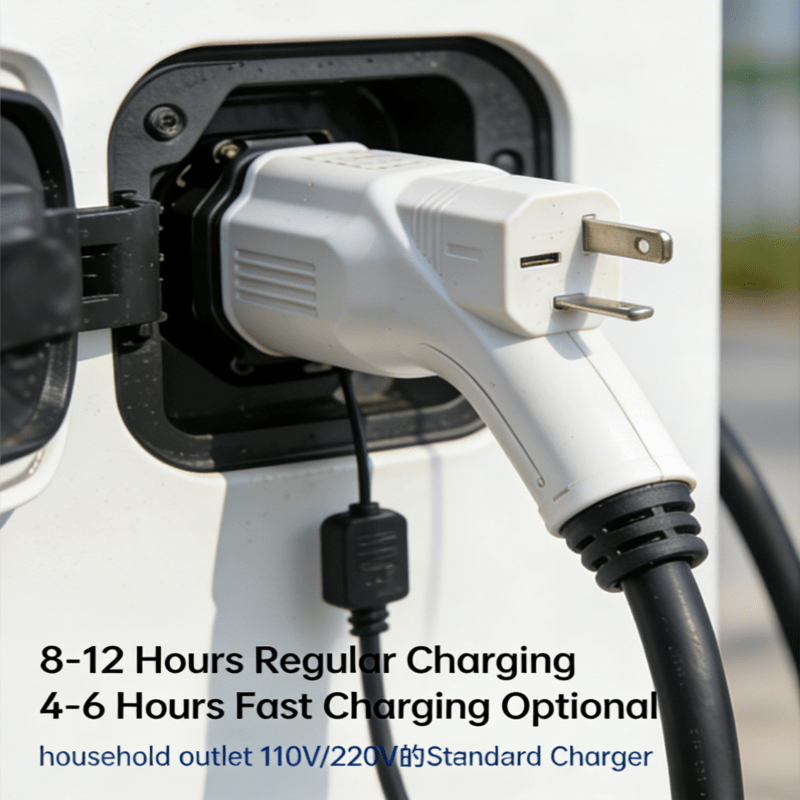
First and foremost, e-tricycles drastically reduce operational costs, a critical advantage for small businesses with tight budgets. Traditional gasoline-powered vehicles—whether vans, motorcycles, or trucks—incur significant expenses in fuel, maintenance, and insurance. In contrast, e-tricycles run on electricity, which costs a fraction of gasoline: charging an e-tricycle battery typically costs just a few dollars per day, even for frequent use, compared to the tens of dollars spent on fuel for gas-powered alternatives. Maintenance is equally economical: e-tricycles have fewer moving parts (no engine oil, spark plugs, or complex transmission systems), reducing the need for costly repairs and downtime. For example, a local bakery delivering pastries within a 10-mile radius might cut its monthly transportation costs by 60–70% by switching from a gas-powered van to an e-tricycle. Additionally, many regions offer incentives—such as tax rebates or low-interest loans—for small businesses adopting electric vehicles, further lowering the upfront investment barrier.
Second, e-tricycles offer unmatched flexibility in navigating dense or restricted areas, a game-changer for businesses operating in urban centers. Small businesses often rely on reaching customers in neighborhoods with narrow streets, pedestrian-only zones, or limited parking—areas where traditional vehicles struggle to maneuver. E-tricycles, with their compact design and tight turning radius, can weave through traffic jams, access alleyways, and park in spaces too small for cars or vans. This agility translates to faster delivery times: a florist using an e-tricycle can deliver bouquets to multiple downtown offices in an hour, whereas a car might get stuck in traffic and take twice as long. For tradespeople like electricians or plumbers, e-tricycles also provide easy access to job sites in congested areas, allowing them to carry tools and materials without the hassle of finding parking or navigating heavy traffic.
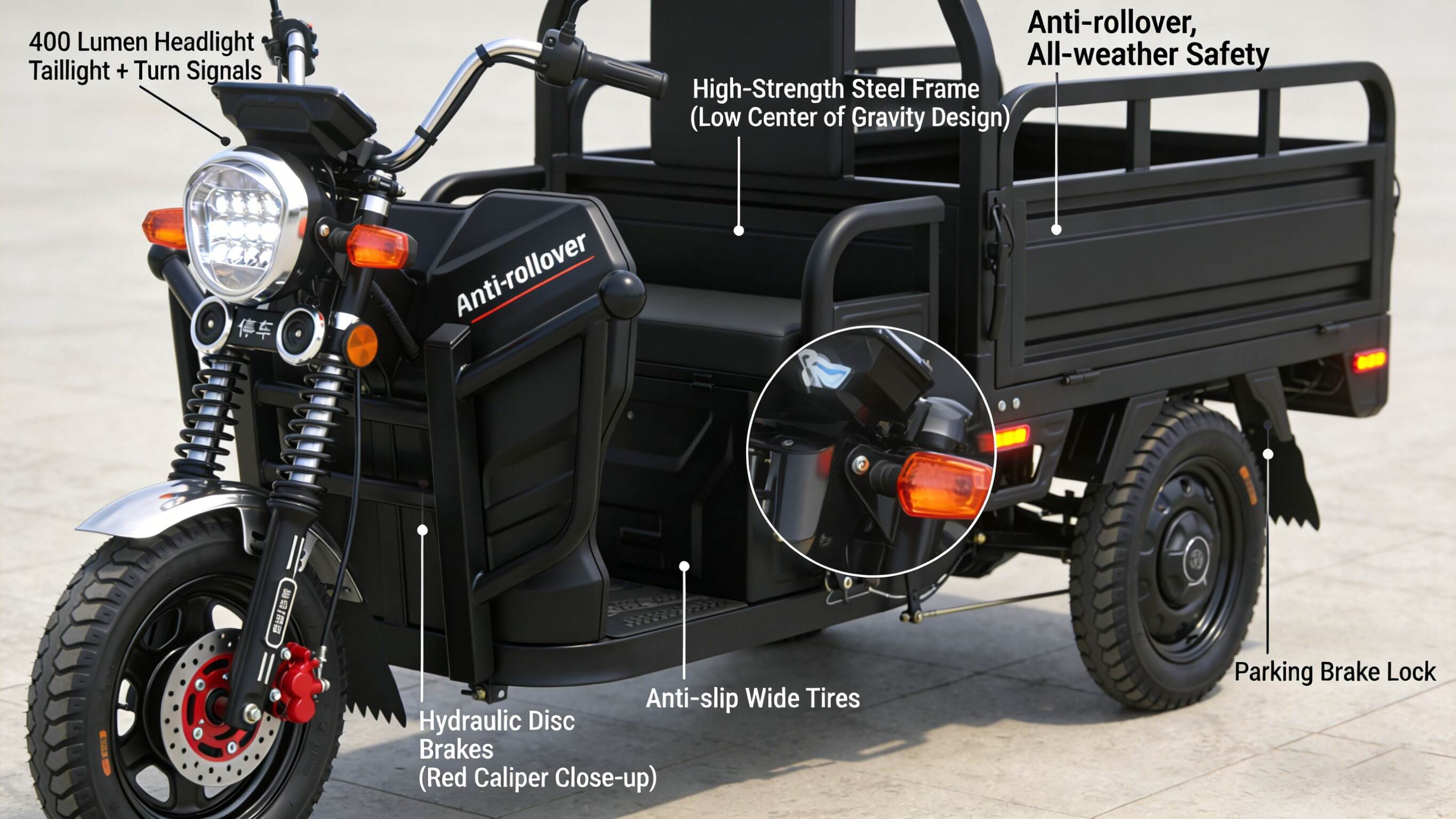
Third, e-tricycles enhance load capacity and versatility tailored to small business needs. Unlike bicycles, which have limited carrying space, e-tricycles feature sturdy cargo beds, racks, or enclosed compartments that can accommodate a wide range of goods—from fresh produce and groceries to packages, tools, and equipment. Many models are customizable: a farmer’s market vendor can add a refrigerated compartment to keep fruits and vegetables fresh, while a courier service can install lockable storage for secure package delivery. The electric motor also reduces physical strain on the rider, even when carrying heavy loads (often up to 500 pounds or more, depending on the model). This means small business owners or their employees can transport larger quantities of goods without exhaustion, increasing productivity and reducing the need for multiple trips. For instance, a small grocery store can use an e-tricycle to restock its shelves with local produce several times a day, ensuring freshness while avoiding the cost of a larger delivery vehicle.
Fourth, e-tricycles align with sustainability goals and consumer preferences, a growing competitive advantage for small businesses. Today’s consumers increasingly prioritize eco-friendly brands, and adopting e-tricycles sends a clear message that a business is committed to reducing its carbon footprint. E-tricycles produce zero tailpipe emissions, helping to improve local air quality and reduce noise pollution—especially important for businesses operating in residential areas or tourist districts. This sustainability focus can attract environmentally conscious customers and even open doors to partnerships with green initiatives or local governments promoting eco-friendly transportation. For example, a café that delivers coffee via e-tricycles might appeal to millennial and Gen Z customers who are willing to pay a premium for sustainable services. Additionally, reducing reliance on fossil fuels insulates small businesses from volatile gasoline prices, providing greater financial stability.
Finally, e-tricycles offer accessibility and low barriers to entry, making them accessible to even the smallest enterprises. Unlike electric vans or trucks, which can cost tens of thousands of dollars, e-tricycles are relatively affordable—with prices ranging from 5,000 for basic models, and higher-end customizable versions still costing far less than traditional vehicles. Many manufacturers also offer financing options, allowing small businesses to spread out the cost over time. Moreover, e-tricycles require minimal training to operate (similar to riding a bicycle) and do not require a special license in most regions, making them easy for employees to use. This accessibility means that micro-businesses, sole proprietors, and startups—who may not have the capital or resources for a fleet of vehicles—can still benefit from reliable, efficient transportation. For example, a freelance photographer can use an e-tricycle to transport camera equipment to outdoor shoots, while a small bookstore can deliver books to local customers without investing in a delivery van.
In conclusion, electric tricycles are more than just a mode of transportation—they are a strategic tool that addresses the unique challenges facing small businesses. By reducing costs, enhancing flexibility, increasing load capacity, promoting sustainability, and offering accessibility, e-tricycles empower small enterprises to compete more effectively in a crowded market. As urbanization continues and consumers demand faster, greener, and more affordable services, e-tricycles will undoubtedly play an increasingly vital role in shaping the future of small business transportation. For any small business looking to streamline operations, cut expenses, and connect better with customers, investing in an electric tricycle is not just a practical choice—it’s a forward-thinking decision that drives growth and resilience.