 EN
EN
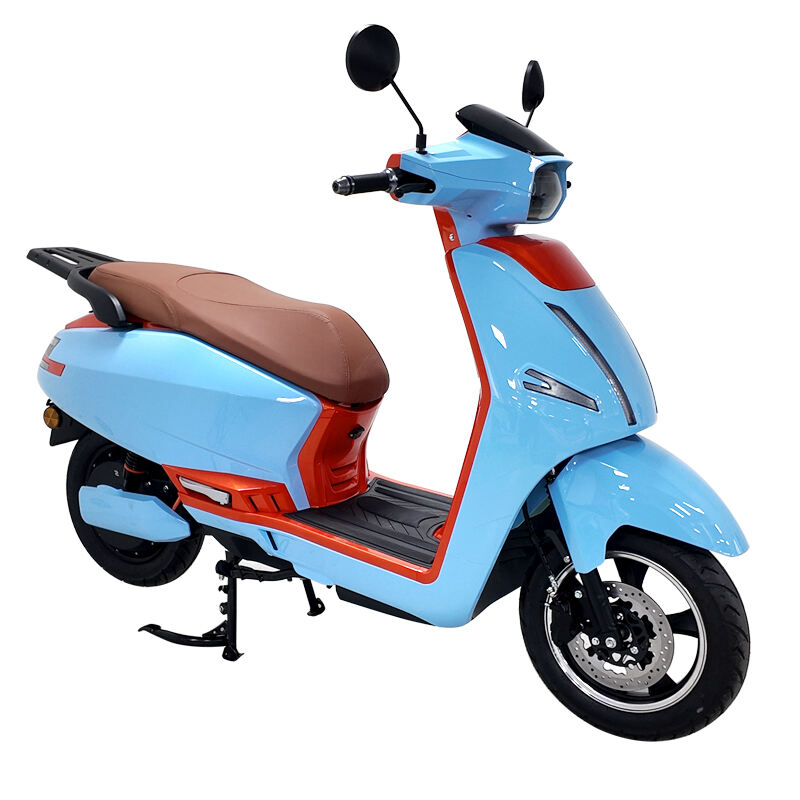
تتعرض وسائل النقل الحضري لتحول جذري مع معاناة المدن في جميع أنحاء العالم من الاختناقات المرورية المتزايدة، والتلوث الهوائي، والحاجة الملحة إلى حلول تنقل مستدامة. وقد برزت الدراجة النارية الكهربائية كحل بديل مغيّر للقواعد يتصدى لهذه التحديات الحضرية العاجلة، ويقدم في الوقت نفسه للمستخدمين وسيلة نقل فعّالة وصديقة للبيئة واقتصادية. وتلقى هذه الدراجات الثنائية الكهربائية قبولاً متزايداً بين سكان المدن الذين يبحثون عن بدائل عملية للمركبات التقليدية التي تعمل بالبنزين، أو أنظمة النقل العام المزدحمة.
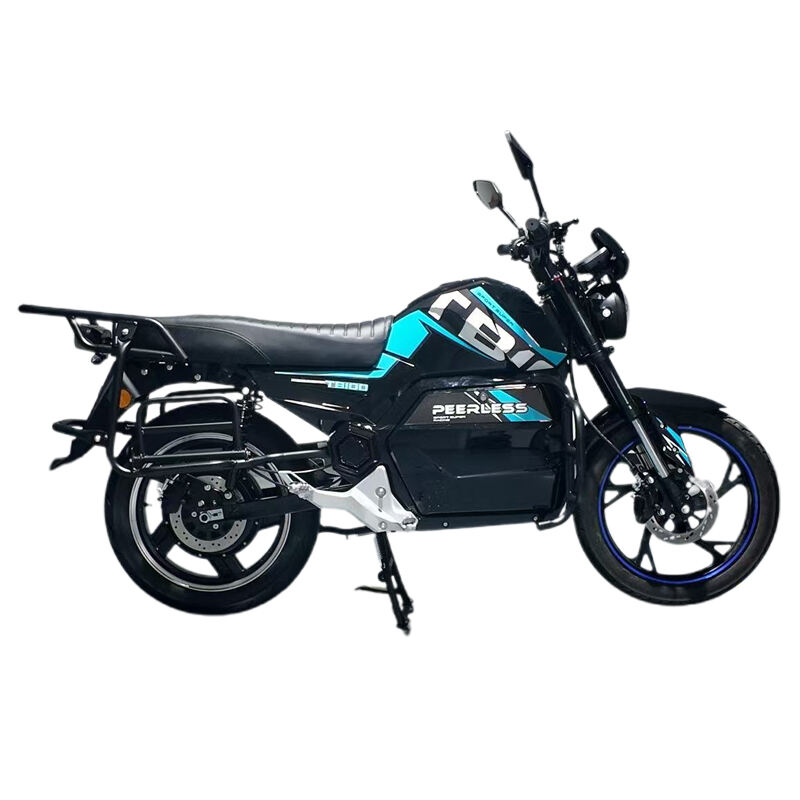
يمثل اعتماد الدراجات النارية الكهربائية في المناطق الحضرية أكثر من مجرد تحوّل تكنولوجي؛ بل يدل على تغيير جوهري في طريقة تعامل السكان في المدن مع التنقّل اليومي والسفر لمسافات قصيرة. ومع تشديد الحكومات للوائح الانبعاثات، وإدخال المدن لمناطق منخفضة الانبعاثات، تُعد الدراجة الكهربائية حلاً جذابًا يتماشى مع السياسات البيئية ويُلبّي الاحتياجات العملية لراكبي الدراجات في المدن الحديثة. وقد أدى هذا التقاء بين التقدم التكنولوجي والوعي البيئي ومبادرات التخطيط الحضري إلى خلق الظروف المثالية لانتشار واسع النطاق للدراجات الكهربائية في المدن ذات الكثافة المرورية العالية.
الفوائد البيئية الدافعة للاعتماد في المناطق الحضرية
انبعاثات صفرية من أجل هواء أنقى في المدن
تتمثل الميزة الأبرز للدراجة النارية الكهربائية في البيئات الحضرية في انعدام الانبعاثات من العادم، مما يسهم مباشرةً في تحسين جودة الهواء في المناطق ذات الكثافة السكانية العالية. ورغم أن الدراجات النارية والسكوترات التقليدية التي تعمل بالبنزين أكثر كفاءة في استهلاك الوقود مقارنةً بالسيارات، فإنها لا تزال تسهم في التلوث الحضري من خلال الانبعاثات العادمة التي تحتوي على ملوثات ضارة مثل أكاسيد النيتروجين وأول أكسيد الكربون والمادة الجسيمية. وتتخلص الدراجات النارية الكهربائية من هذه المشكلات تمامًا، حيث تعمل بصمت ونقاء عبر شوارع المدينة دون الإضافة إلى عبء التلوث القائم.
تعمل مدن مثل لندن وباريس وبكين على تنفيذ مناطق منخفضة الانبعاثات بشكل صارم، حيث يُسمح فقط للمركبات التي تفي بمعايير بيئية محددة بالعمل فيها. وتؤهّل الدراجة الكهربائية نفسها تلقائيًا للوصول غير المقيد إلى هذه المناطق، مما يمنح راكبيها مزايا كبيرة مقارنةً بمالكي الدراجات التقليدية الذين قد يواجهون قيودًا أو رسومًا أو حتى حظرًا تامًا في بعض الأحياء الحضرية. ويُعد هذا الدعم التنظيمي حافزًا قويًا لسكان المدن للنظر في البدائل الكهربائية عند اتخاذ قراراتهم المتعلقة بالنقل.
تقليل التلوث الضوضائي في المناطق المكتظة
إلى جانب تحسين جودة الهواء، تسهم الدراجة النارية الكهربائية في تقليل التلوث الضوضائي في البيئات الحضرية، حيث يؤثر التلوث الصوتي بشكل كبير على جودة الحياة. يمكن للدراجات النارية التقليدية، ولا سيما الموديلات القديمة أو تلك المزودة بأنظمة عادم معدلة، أن تولد مستويات ضجيج تتجاوز 90 ديسيبل، مما يساهم في الضوضاء الحضرية التي تؤثر على ملايين السكان يوميًا. تعمل الدراجات النارية الكهربائية بهدوء تام، وعادةً ما تنتج أقل من 60 ديسيبل من الضوضاء أثناء التشغيل.
تُصبح هذه الفائدة المتمثلة في تقليل الضوضاء قيمةً كبيرةً خاصةً خلال الساعات المبكرة من الصباح أو في أواخر المساء، عندما يتنقل العديد من العاملين في المناطق الحضرية إلى أعمالهم ذات الجداول غير القياسية. يمكن للعاملين في مجال الرعاية الصحية وموظفي قطاع الخدمات وغيرهم من الكوادر الأساسية أن يتنقلوا عبر الأحياء السكنية دون إزعاج السكان النائمين، مما يجعل الدراجة الكهربائية خيارًا أكثر مسؤولية اجتماعيةً للتنقل في المدن. ويمكن أن يؤدي التأثير التراكمي لاعتماد الدراجات الكهربائية على نطاق واسع إلى تحسين كبير في البيئة الصوتية في المناطق الحضرية وتعزيز جودة الحياة في المناطق ذات الكثافة العالية.
المزايا الاقتصادية في النقل الحضري
تكاليف تشغيل أقل مقارنة بالمركبات التقليدية
تُصبح الفوائد المالية لامتلاك الدراجات النارية الكهربائية واضحة بشكل خاص في البيئات الحضرية، حيث يمكن أن تتراكم تكاليف الوقود ورسوم stationing وتكاليف الصيانة بسرعة. عادةً ما تكلف الدراجات النارية الكهربائية جزءًا بسيطًا من نظيراتها التي تعمل بالبنزين من حيث التشغيل، حيث تجعل أسعار الكهرباء في معظم المناطق الحضرية التكلفة لكل ميل أقل بكثير من استهلاك البنزين. وفي المدن التي قد تتجاوز فيها أسعار الوقود الممتاز أربعة دولارات للغالون، توفر الدراجة النارية الكهربائية وفورات مستمرة كبيرة تجذب راكبي الطرق الحضرية المهتمين بالميزانية.
تُقل احتياجات الصيانة للدراجات النارية الكهربائية بشكل كبير مقارنةً بمركبات المحركات ذات الاحتراق الداخلي. وغياب الحاجة لتغيير الزيت، واستبدال شمعات الإشعال، وصيانة فلاتر الهواء، وخدمات ناقل الحركة المعقدة يعني أن مالكي الدراجات النارية الكهربائية يواجهون تكاليف صيانة مستمرة أقل وفترات صيانة أقل تكرارًا. وتُعد هذه الأعباء المخفضة للصيانة قيمةً خاصةً لراكبي الدراجات في المناطق الحضرية الذين قد لا يتمتعون بإمكانية سهلة الوصول إلى مرافق صيانة الدراجات أو يفضلون تقليل الوقت المنفق على أنشطة صيانة المركبات.
مزايا stationing والوصول
تجعل تحديات وقوف السيارات في المناطق الحضرية من الدراجة الكهربائية خيارًا متزايد الجاذبية لسكان المدن الذين يعانون من نقص المساحات المتاحة للوقوف وارتفاع تكاليف الوقوف. وتُقدِّم العديد من المدن أسعار وقوف ميسَّرة أو أماكن مخصصة للمركبات الكهربائية، بما في ذلك الدراجات الكهربائية، مما يوفر حوافز مالية إضافية لتبني هذه الوسيلة. وقد نفَّذت بعض المناطق الحضرية سياسات تتيح الوقوف المجاني للمركبات الخالية من الانبعاثات في مرافق وقوف بلدية، ما يحقِّق وفورات فورية في التكاليف لراكبي الدراجات الكهربائية.
كما أن الحجم الصغير والقدرة العالية على المناورة للدراجات الكهربائية توفر مزايا في الوصول إلى المناطق المزدحمة حيث يصعب على المركبات الأكبر حجمًا التنقّل في الشوارع الضيقة أو العثور على أماكن وقوف مناسبة. دراجة كهربائية يمكن للراكبين في كثير من الأحيان الاستفادة من مساحات لا يمكن للسيارات الوصول إليها، بما في ذلك أماكن وقوف الدراجات النارية المخصصة التي أصبحت أكثر انتشارًا في المناطق التجارية والمجمعات السكنية في المدن الكبرى حول العالم.
تكامل التكنولوجيا وتوافقها مع المدن الذكية
الميزات المتصلة للتنقل في البيئات الحضرية
تدمج تصميمات الدراجات النارية الكهربائية الحديثة بشكل متزايد ميزات تكنولوجية ذكية تعزز من فائدتها في البيئات الحضرية المعقدة. تساعد أنظمة الملاحة عبر الأقمار الصناعية (GPS)، والاتصال بالهواتف الذكية، وقدرات المراقبة المتكاملة للمرور السائقين على التنقل بكفاءة خلال شوارع المدينة المزدحمة، مع تجنب مناطق البناء أو الحوادث أو إغلاقات الطرق المؤقتة. وتُعد هذه الميزات التكنولوجية ذات قيمة كبيرة خاصةً في المناطق الحضرية الكبيرة حيث يمكن أن تتغير أنماط المرور بسرعة خلال اليوم.
تتضمن العديد من الدراجات النارية الكهربائية الآن ميزات مثل أنظمة الفرامل الاسترجاعية التي تستعيد الطاقة أثناء حركة المرور الحضرية المتقطعة، مما يمتد مدى السير ويحسن الكفاءة في ظروف القيادة داخل المدن. تساعد مراقبة البطارية في الوقت الفعلي وتقدير المدى راكبي الدراجات في المدن على تخطيط طرقهم ومواعيد الشحن بشكل أكثر فعالية، مما يقلل من القلق بشأن المدى الذي كان قد يثني سابقًا المحتملين على اعتماد المركبات الكهربائية. كما تتيح التكامل مع أنظمة إدارة حركة المرور في المدينة لراكبي الدراجات الكهربائية استلام تحديثات في الوقت الفعلي حول الطرق المثلى وظروف المرور.
تطوير بنية تحتية للشحن
أدى التوسع السريع في بنية تحتية الشحن الحضرية إلى تحسين كبير في عملية امتلاك الدراجات النارية الكهربائية في المدن ذات الكثافة المرورية العالية. وتعمل الحكومات المحلية والشركات الخاصة وشركات المرافق على التعاون لتركيب محطات شحن في مواقع استراتيجية داخل المناطق الحضرية، بما في ذلك مراكز التسوق ومباني المكاتب وأماكن انتظار السيارات والمباني السكنية. ويقلل هذا التطور في البنية التحتية من العوائق أمام اعتماد الدراجات النارية الكهربائية من خلال معالجته لمخاوف توفر الشحن وراحته.
كما ساهم التقدم في تقنية الشحن السريع في تحسين جاذبية الدراجات الكهربائية للاستخدام في البيئات الحضرية، حيث يمكن للعديد من الموديلات الحديثة تحقيق مستويات شحن كبيرة خلال ثلاثين إلى ستين دقيقة. وتجعل هذه القدرة على الشحن السريع من الممكن بالنسبة للموظفين في المدن شحن دراجاتهم الكهربائية أثناء استراحة الغداء أو خلال توقفات قصيرة، ما يمكّنهم من قطع مسافات أطول يوميًا ويقلل الحاجة إلى التخطيط المفرط للمسار وفقًا لمتطلبات الشحن. وتقوم بعض المدن بتطبيق محطات تبديل البطاريات التي تسمح للركاب باستبدال البطاريات المستنفذة ببطاريات مشحونة بالكامل خلال دقائق، مما يزيد من الراحة بشكل أكبر.
خصائص الأداء للقيادة في المناطق الحضرية
عزم الدوران الفوري وكفاءة حركة المرور في المدينة
تتميّز خصائص أداء الدراجات النارية الكهربائية بأنها مناسبة بشكل خاص للظروف الحضرية التي تكون فيها عمليات التسارع والتباطؤ المتكررة شائعة. حيث توفر المحركات الكهربائية عزم دوران فوري من صفر دورة في الدقيقة، ما يمنح راكبي الدراجات النارية الكهربائية تسارعاً سريع الاستجابة يمكن أن يكون مفيداً عند الاندماج في حركة المرور، أو اجتياز التقاطعات، أو التنقّل عبر المناطق المزدحمة. ويُعد هذا التسليم الفوري للطاقة تبايناً إيجابياً بالمقارنة مع محركات الاحتراق الداخلي التي تحتاج وقتاً لبناء القوة وقد تواجه صعوبة في التشغيل السلس عند السرعات المنخفضة.
إن توصيل القوة السلس والمتوقع للدراجات النارية الكهربائية يعزز أيضًا ثقة السائق في البيئات الحضرية، حيث يكون التحكم الدقيق ضروريًا للسلامة. وبلا حاجة لإدارة قرص القابض أو تغيير التروس أو مخاوف توقف المحرك، يمكن لراكبي الدراجات النارية الكهربائية (e-motorcycle) التركيز بشكل أكبر على الانتباه إلى حركة المرور وتقنيات القيادة الدفاعية. وتُعد هذه البساطة التشغيلية مفيدة بوجه خاص للمستخدمين الجدد أو أولئك الذين ينتقلون من وسائل نقل أخرى إلى استخدام الدراجات النارية في الظروف الحضرية الصعبة.
تحسين المدى للتنقلات اليومية
تُقدِّم تصاميم الدراجات النارية الكهربائية الحديثة بشكل متزايد قدرات في المدى تفوق متطلبات التنقّل الحضري النموذجية، حيث توفر العديد من الموديلات ما بين ستين إلى مئة ميل من المدى لكل شحنة في ظروف القيادة داخل المدينة. ويغطي هذا المدى احتياجات التنقّل اليومية لمعظم سكان المدن بسهولة، مع ترك هامش للقيام برحلات إضافية مثل المهمات اليومية، أو الأنشطة الاجتماعية، أو الركوب الترفيهي. وتُحسِّن القدرة على إتمام تنقّلات متعددة أيامًا بشحنة واحدة من تكرار الحاجة للشحن، مما يعزز عملية امتلاك الدراجة النارية الكهربائية.
تُصبح أنظمة استرداد الطاقة في الدراجات النارية الكهربائية فعالة بشكل خاص في البيئات الحضرية، حيث توفر عمليات الفرملة المتكررة العديد من الفرص لإعادة شحن البطارية. يمكن للظروف المرورية التي تتسم بالتوقف والانطلاق، والتي تقلل عادةً من كفاءة المركبات ذات الوقود، أن تمدد نطاق الدراجة الكهربائية بفضل أنظمة الفرملة الاسترجاعية التي تستعيد الطاقة أثناء التباطؤ. وتجعل هذه السمة الدراجات النارية الكهربائية ملائمة بشكل استثنائي لأنماط القيادة الحضرية، التي قد تشهد فيها المركبات التقليدية انخفاضًا في كفاءة استهلاك الوقود.
اعتبارات السلامة في البيئات الحضرية
مزايا تحسين الرؤية والانتباه
تُعد اعتبارات السلامة أمرًا بالغ الأهمية لأي وسيلة نقل حضرية، وتتضمن تصاميم الدراجات النارية الكهربائية الحديثة العديد من الميزات التي تعزز رؤية الراكب ووعيه في البيئات الحضرية المزدحمة. تساعد أنظمة الإضاءة LED والإشارات التوجيهية المدمجة وألوان الهيكل عالية الوضوح في ضمان بقاء راكبي الدراجات النارية الكهربائية مرئيين للمشاركين الآخرين في حركة المرور في السيناريوهات الحضرية المعقدة. وتشمل بعض الموديلات أنظمة إضاءة تكيفية تقوم بتعديل شدة الإضاءة وأنماط الشعاع بناءً على الظروف المحيطة وظروف القيادة.
إن التشغيل الهادئ للدراجات النارية الكهربائية، مع أنه مفيد للحد من الضوضاء، يتطلب انتباهًا إضافيًا لوعي المشاة وراكبي الدراجات في المناطق الحضرية، حيث تساعد الإشارات الصوتية تقليديًا في تنبيه مستخدمي الطرق الضعفاء إلى اقتراب المركبات. ويتعامل العديد من مصنعي الدراجات النارية الكهربائية مع هذه المسألة من خلال أنظمة توليد صوت اصطناعي تُصدر إشارات صوتية خفيفة عند السرعات المنخفضة، خاصةً في المناطق المزدحمة بالمشاة مثل مناطق التسوق والمدارس والأحياء السكنية.
الاستقرار والتحكم في الظروف الحضرية
غالبًا ما تتضمن تصاميم الدراجات النارية الكهربائية أنظمة تحكم متقدمة في الثبات تُحسِّن السلامة في ظروف القيادة الحضرية الصعبة مثل الأرصفة المبللة، أو الشوارع المغطاة بالحطام، أو المواقف المرورية المفاجئة. وتساعد أنظمة التحكم في الجر، وقدرات الفرامل المانعة للانغلاق، والبرامج الإلكترونية للاستقرار، راكبي الدراجات الكهربائية على الحفاظ على السيطرة أثناء المناورات الطارئة أو في الظروف الجوية الصعبة التي تُصادَف عادةً في البيئات الحضرية. وتُعد هذه التقنيات الخاصة بالسلامة ذات قيمة كبيرة خاصةً للمستخدمين الأقل خبرة في تشغيل الدراجات النارية أو الذين يقودون في ظروف حضرية متنوعة.
مركز الثقل الأدنى النموذجي في الدراجات الكهربائية، الناتج عن وضع البطارية في الجزء السفلي من الهيكل، يُسهم في تحسين الاستقرار وخصائص المناورة التي تفيد راكبي الدراجات في المدن أثناء التنقل عبر حركة المرور أو الالتفاف حول العوائق أو أثناء مناورات الوقوف. يمكن أن يؤدي هذا الاستقرار المعزز إلى زيادة ثقة الراكب وتقليل احتمالية وقوع حوادث في البيئة المعقدة وغير المتوقعة للشوارع الحضرية المزدحمة، حيث تكون الاستجابات السريعة والتحكم الدقيق في المركبة مطلوبة بشكل متكرر.
سياسات الحكومة ودعم التخطيط العمراني
الحوافز والمزايا التنظيمية
تُبادر الحكومات على المستويات البلدية والإقليمية والوطنية باتخاذ سياسات تُفضل بشكل متزايد اعتماد المركبات الكهربائية من خلال برامج تحفيزية متنوعة تجعل امتلاك الدراجات النارية الكهربائية أكثر جاذبية من الناحية المالية. وتُوفر الحوافز مثل خصومات الشراء، والائتمانات الضريبية، وتخفيض رسوم التسجيل، والإعفاءات من رسوم الازدحام، فوائد مالية مباشرة لمشتري الدراجات النارية الكهربائية في العديد من المناطق الحضرية. ويمكن لهذه الحوافز أن تُقلل بشكل كبير من التكاليف الأولية الأعلى للدراجات النارية الكهربائية مقارنةً بالبدائل التقليدية، مما يسرّع من معدلات الاعتماد عليها بين المستهلكين الحضريين الحساسين للأسعار.
تمتد المزايا التنظيمية لما هو أبعد من الحوافز المالية لتشمل فوائد تشغيلية مثل الوصول إلى ممرات المركبات عالية الارتياد، والإعفاء من متطلبات اختبار الانبعاثات، والمعاملة التفضيلية في أنظمة إدارة المرور. تسمح بعض المدن لراكبي الدراجات الكهربائية باستخدام ممرات الدراجات الهوائية أو الممرات المخصصة للمركبات الكهربائية، مما يوفر مزايا في التوجيه يمكن أن تقلل من وقت التنقل وتحسّن تجربة النقل بشكل عام. وتوفر هذه الدعومات السياسية أسباباً مقنعة لسكان المناطق الحضرية لاختيار الدراجات الكهربائية بدلاً من البدائل التقليدية.
التكامل مع مبادرات المدن الذكية
تعترف مبادرات التخطيط الحضري بشكل متزايد بالدراجات النارية الكهربائية باعتبارها عناصر مهمة في الاستراتيجيات الشاملة للنقل، والتي تهدف إلى تقليل الازدحام، وتحسين جودة الهواء، وتعزيز خيارات التنقّل لسكان المدن. وغالبًا ما تتضمن برامج المدن الذكية أحكامًا خاصة ببنية تحتية لشحن المركبات الكهربائية، ومرافق وقوف سيارات مخصصة، وأنظمة لإدارة حركة المرور تعطي أولوية للوسائط النظيفة للنقل، بما في ذلك الدراجة الكهربائية (e-motorcycle). ويضمن هذا الدمج أن تسهم الدراجات النارية الكهربائية بشكل فعّال في تحقيق الأهداف الأوسع للاستدامة الحضرية.
تسهّل البرامج التعاونية بين حكومات المدن وشركات تصنيع الدراجات النارية الكهربائية تنفيذ مشاريع تجريبية، وبرامج توضيحية، وحملات توعية عامة تعرّف السكان الحضريين بفوائد وقدرات الدراجات النارية الكهربائية. وتساعد هذه المبادرات في التغلب على العوائق التي تحول دون الاعتماد مثل عدم الإلمام بتقنية المركبات الكهربائية، أو المخاوف المتعلقة بالموثوقية، أو الشكوك حول متطلبات الشحن. كما تتيح برامج التعليم وفرص تجربة القيادة للعملاء المحتملين تجربة فوائد الدراجات النارية الكهربائية بشكل مباشر قبل اتخاذ قرارات الشراء.
الاتجاهات المستقبلية وتطور السوق
التقدم التكنولوجي والتأقلم الحضري
تُبشر التطورات التكنولوجية المستمرة في تقنيات البطاريات وكفاءة المحركات الكهربائية وأنظمة دمج المركبات بتعزيز جاذبية الدراجات النارية الكهربائية لتطبيقات النقل الحضري. وستمكّن الكثافة الأعلى للطاقة في أنظمة البطاريات من زيادة المدى وتقليل أوقات الشحن، مما يُعالج المخاوف المتبقية بشأن عملية المركبات الكهربائية في الاستخدام الحضري. كما أن المواد المتطورة وتقنيات التصنيع تقلل من تكلفة الدراجات الكهربائية في الوقت الذي تحسّن فيه المتانة والخصائص الأداء التي تهم راكبي الدراجات في المدن.
يمكن أن توفر الميزات المستقلة وشبه المستقلة التي يتم تطويرها للدراجات النارية الكهربائية مزايا إضافية من حيث السلامة والراحة في البيئات الحضرية، حيث تكون تعقيدات المرور وعبء قيادة الدراجة مرتفعة. وقد تساعد أنظمة تجنب الاصطدام، والفرملة التلقائية في حالات الطوارئ، والقدرات الذكية على التنقل في حركة المرور في تقليل معدلات الحوادث وتحسين ملف السلامة العام لوسيلة النقل بالدراجات النارية الكهربائية في البيئات الحضرية المزدحمة. ويمكن أن تسهم هذه التطورات التكنولوجية في تسريع عملية التبني من خلال معالجتها لمخاوف السلامة التي قد تُثني حاليًا بعض السائقين المحتملين في المناطق الحضرية.
نمو السوق وتوسيع البنية التحتية
تشير تحليلات السوق إلى إمكانات نمو قوية للدراجات النارية الكهربائية في الأسواق الحضرية، حيث تواصل تطوير البنية التحتية والتحسينات التكنولوجية والدعم السياساتي خلق ظروف مواتية للتبني. ويدفع التنافس المتزايد بين الشركات المصنعة الابتكار وخفض التكاليف، في الوقت الذي يوسع فيه تنوع طرازات الدراجات الكهربائية المتاحة لتلبية احتياجات النقل الحضري المتنوعة. من الطرازات الصغيرة المخصصة للتنقل اليومي إلى الطرازات الأعلى أداءً، يشهد سوق الدراجات النارية الكهربائية تطوراً في الخيارات المتاحة لمختلف تفضيلات المستخدمين وحالات الاستخدام.
يشمل توسيع البنية التحتية beyond مرافق الشحن تطوير شبكات صيانة متخصصة، وتوافر قطع الغيار، والقدرات الخدمية التي تدعم امتلاك الدراجات النارية الكهربائية في المناطق الحضرية. ومع نضج السوق، يمكن للركاب توقع تحسن في الوصول إلى فنيين مؤهلين، وقطع غيار، وخيارات ترقية تعزز استدامة امتلاك الدراجات النارية الكهربائية على المدى الطويل. ويُعد تطوير هذا النظام البيئي الداعم أمراً بالغ الأهمية لاستدامة النمو في اعتماد الدراجات النارية الكهربائية في المناطق الحضرية وضمان تجارب إيجابية للملّاك الأوائل.
الأسئلة الشائعة
كم يستغرق شحن دراجة نارية كهربائية في البيئات الحضرية؟
تختلف أوقات شحن الدراجات النارية الكهربائية حسب سعة البطارية، والبنية التحتية للشحن، ومستوى القدرة المتاح. توفر معظم محطات الشحن الحضرية شحناً من المستوى 2 يمكنه شحن بطارية دراجة نارية كهربائية بالكامل خلال أربع إلى ثماني ساعات، في حين يمكن لمحطات الشحن السريع تحقيق مستوى شحن بنسبة 80% خلال ثلاثين إلى ستين دقيقة. الرئيسية الشحن باستخدام المآخذ الكهربائية القياسية يتطلب عادةً من ستة إلى اثني عشر ساعة للحصول على شحن كامل، مما يجعل الشحن الليلي الخيار الأكثر راحة لراكبي الدراجات النارية في المناطق الحضرية الذين لديهم إمكانية الوصول إلى أماكن وقوف مخصصة.
ما هو المدى النموذجي لدراجة نارية كهربائية للاستخدام في التنقل داخل المدينة؟
تقدم الدراجات النارية الكهربائية الحديثة المصممة للاستخدام الحضري عادةً مدى يتراوح بين ستين ومئة ميل لكل شحنة في ظروف القيادة داخل المدينة، وهو ما يكفي لمعظم احتياجات التنقل اليومية في المناطق الحضرية. يمكن أن تؤدي أنماط حركة المرور المتقطعة الشائعة في المدن إلى تمديد المدى من خلال أنظمة الفرامل الاسترجاعية التي تستعيد الطاقة أثناء التباطؤ. يمكن أن تؤثر عوامل مثل أسلوب القيادة، وظروف الطقس، والتضاريس، واستخدام الملحقات على المدى الفعلي، لكن معظم راكبي الدراجات في المناطق الحضرية يجدون أن قدرات المدى الحالية للدراجات النارية الكهربائية كافية لاحتياجاتهم من وسائل النقل.
هل الدراجات النارية الكهربائية آمنة للاستخدام في حركة المرور الحضرية الكثيفة؟
تتضمن المحركات الكهربائية العديد من ميزات السلامة المصممة لظروف القيادة في المدن، بما في ذلك أنظمة فرامل متقدمة، وتحكم في الثبات، وإضاءة LED، وإدارة الجر. يمكن أن تعزز عزم الدوران الفوري والخصائص السلسة لتزويد الطاقة في المحركات الكهربائية السلامة فعليًا من خلال توفير تسارع قابل للتنبؤ به والتخلص من مخاطر توقف المحرك. ومع ذلك، فإن التشغيل الهادئ للمحركات الكهربائية يتطلب وعيًا إضافيًا من راكبيها ومن جميع مستخدمي الطريق الآخرين، مما دفع الشركات المصنعة إلى تضمين أصوات تحذيرية عند السرعات المنخفضة وميزات تحسين الرؤية.
ما التوفيرات في التكلفة الناتجة عن استخدام دراجة كهربائية في المدينة مقارنةً بالسيارة
عادةً ما تكون تكلفة تشغيل دراجة كهربائية في البيئات الحضرية أقل بكثير من امتلاك سيارة، وذلك بسبب انخفاض تكاليف الطاقة، وانخفاض متطلبات الصيانة، وانخفاض أقساط التأمين، وغالبًا أسعار صف السيارات المفضلة. فتكاليف الكهرباء لكل ميل تكون عمومًا أقل بكثير من نفقات البنزين، في حين تكون احتياجات الصيانة ضئيلة مقارنة بالمركبات ذات الاحتراق الداخلي. بالإضافة إلى ذلك، تقدم العديد من المدن حوافز مثل صف السيارات المجاني، والإعفاء من رسوم الازدحام، وتخفيض رسوم التسجيل للمركبات الكهربائية، مما يعزز بشكل أكبر المزايا الاقتصادية لامتلاك دراجة كهربائية لنقل المواطنين داخل المدن.