 EN
EN
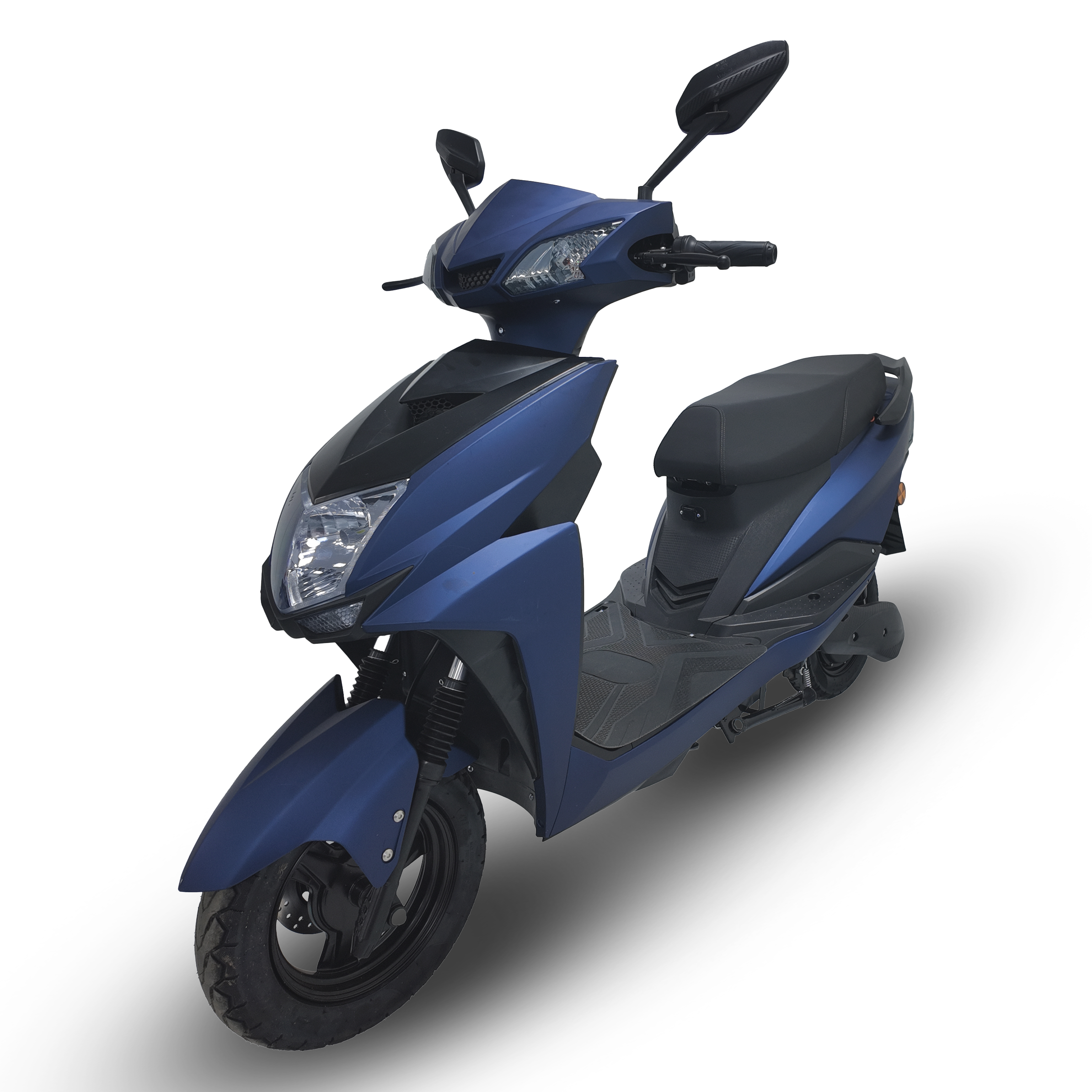
شهدت وسائل النقل الحضرية تحولًا ملحوظًا في السنوات الأخيرة، مع ازدياد الاعتماد على حلول التنقّل المستدامة بشكل غير مسبوق في المناطق الحضرية حول العالم. ومن بين الخيارات الأكثر ابتكارًا وعملية التي ظهرت في هذا المجال، يبرز التريسيكل الكهربائي كوسيلة نقل ثورية تعالج تحديات متعددة في التنقّل الحضري في آنٍ واحد. وتجمع هذه المركبات الكهربائية الثلاثية العجلات بين كفاءة الدفع الكهربائي واستقرار محسن، ما يجعلها خيارًا متزايد الشعبية لكل من الاستخدام الشخصي والتجاري في البيئات الحضرية المكتظة بالسكان.
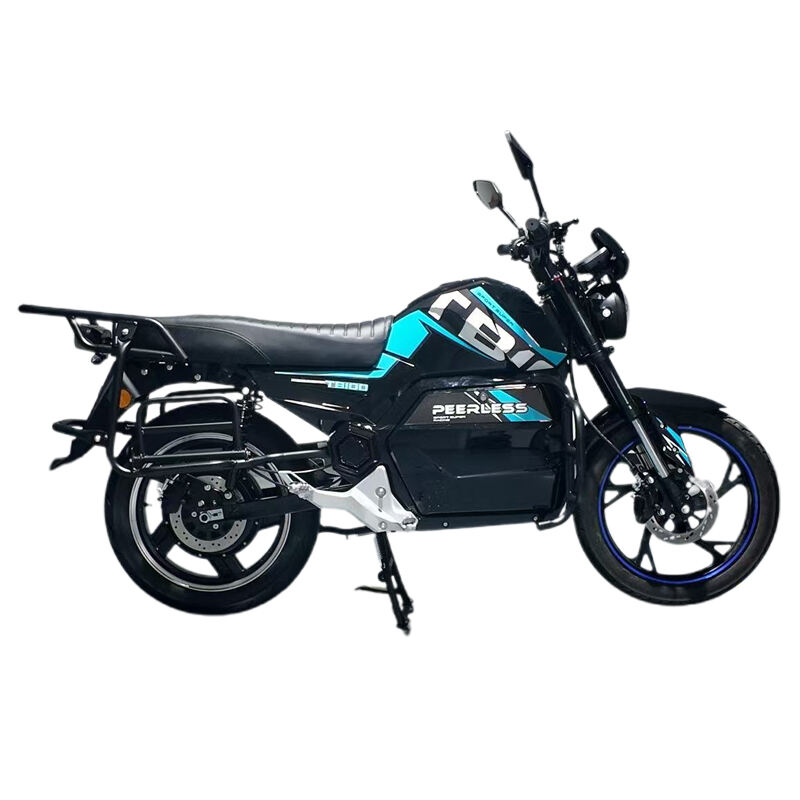
تعزيز الاستقرار والميزات الأمنية
توازن وتحكم متميزان
تتمثل الميزة الأساسية للدراجة الكهربائية ثلاثية العجلات في استقرارها المتأصل مقارنة بالمركبات التقليدية ذات العجلتين. حيث توفر التهيئة الثلاثية للعجلات منصة مستقرة تلغي متطلبات التوازن المرتبطة بالدراجات النارية أو العادية، مما يجعلها في متناول المتسابقين من جميع الأعمار ومستويات المهارة. ويصبح هذا الاستقرار المحسن أكثر قيمة بشكل خاص في البيئات الحضرية التي تكون فيها التوقفات المتكررة والانطلاق والمناورة وسط حركة المرور أمورًا شائعة. ويضمن تصميم الدراجة الكهربائية ثلاثية العجلات أن يتمكن المتسابقون من التنقل في شوارع المدينة بثقة، مما يقلل من خطر وقوع الحوادث ويعزز السلامة على الطرق بشكل عام.
تُدمج طرازات الدراجة الثلاثية الكهربائية الحديثة ميزات سلامة متقدمة تعزز من جاذبيتها في التنقل الحضري. وتشمل هذه المركبات عادةً أنظمة فرامل محسّنة، ومصفوفات إضاءة LED لتحسين الرؤية، وهيكلًا قويًا مصممًا لتحمل ظروف السفر في المدينة. كما يسهم المركز المنخفض للجاذبية المتأصل في تصميم الدراجة الثلاثية الكهربائية في خصائص توجيه استثنائية، مما يتيح دورانًا سلسًا وأداءً مستقرًا حتى عند حمل البضائع أو الركاب.
الحماية من الطقس والراحة
تقدم العديد من تكوينات الدراجة الثلاثية الكهربائية حماية جزئية أو كاملة من الطقس، ما يجعلها مناسبة للنقل الحضري على مدار السنة. وتُحمي تصاميم الكابينة المغلقة الراكبين من المطر والرياح والظروف الجوية القاسية التي قد تثني عن استخدام المركبات المفتوحة. ويُطيل هذا القدرة على الحماية من الطقس عمر الاستخدام العملي للدراجة الثلاثية الكهربائية عبر الفصول المختلفة، ويوفر خيار نقل موثوقًا بغض النظر عن الظروف الجوية.
تشمل ميزات الراحة المدمجة في تصاميم العجلات الثلاثية الكهربائية الحديثة مقاعد مريحة من الناحية الإرغونومية، وعناصر تحكم قابلة للتعديل، ومساحة تخزين كافية للأشياء الشخصية. تجعل هذه التحسينات في الراحة رحلات التنقل الحضرية الأطول أكثر متعة وعملية، مما يضع العجلة الثلاثية الكهربائية كخيار بديل قابل للتطبيق عن وسائل النقل التقليدية للعديد من سكان المدن.
الفوائد البيئية والاستدامة
نقل حضري خالٍ من الانبعاثات
إن الفوائد البيئية الناتجة عن اختيار العجلة الثلاثية الكهربائية للتنقل في المدن كبيرة وقابلة للقياس. فهذه المركبات لا تطلق أي انبعاثات مباشرة أثناء التشغيل، مما يسهم في تحسين جودة الهواء في المناطق الحضرية حيث تكون تركيزات التلوث عادةً في أعلى مستوياتها. ومع تصدّي المدن حول العالم لتحديات جودة الهواء والتزاماتها المتعلقة بتغير المناخ، فإن اعتماد تكنولوجيا العجلات الثلاثية الكهربائية يمثل خطوة عملية نحو نظم نقل حضرية مستدامة.
عندما تعمل بالطاقة المتجددة، فإن دراجة ثلاثية العجلات كهربائية يصبح خيارًا أكثر مسؤولية بيئيًا. إن كفاءة المحركات الكهربائية، مقترنة باستهلاك الطاقة المنخفض نسبيًا لهذه المركبات الخفيفة الوزن، تؤدي إلى تقليل كبير في البصمة الكربونية مقارنة بالبدائل التقليدية للسيارات. وتتزايد هذه الفائدة البيئية مع اعتماد المزيد من سكان المناطق الحضرية لوسيلة النقل الثلاثية الكهربائية، مما يخلق أثرًا إيجابيًا تراكميًا على جودة الهواء في المدن وانبعاثات الغازات الدفيئة.
تقليل الاختناقات المرورية في المدن
يساهم الحجم الصغير للدراجة الكهربائية ثلاثية العجلات في تقليل الازدحام الحضري من خلال الحاجة إلى مساحة طريق أقل مقارنة بالسيارات التقليدية. ويمكن لهذه المركبات التنقّل عبر الشوارع الضيقة واستخدام مواقف السيارات بكفاءة أكبر، مما يساعد على تحسين استغلال البنية التحتية الحضرية المحدودة. ويمكن أن تسهم متطلبات المساحة الأقل لوسيلة النقل الثلاثية الكهربائية في تدفق مروري أكثر كفاءة وتقليل التنافس على موارد وقوف السيارات في المناطق ذات الكثافة السكانية العالية.
كما يدعم اعتماد الترايسيكلات الكهربائية تطوير شبكات النقل البديلة داخل البيئات الحضرية. بدأت العديد من المدن في استيعاب هذه المركبات من خلال ممرات مخصصة ومرافق وقوف متخصصة، مما يخلق بنية تحتية تدعم خيارات التنقّل المستدامة، وتقلل في الوقت نفسه من العبء الملقى على عاتق أنظمة النقل التقليدية.
المزايا الاقتصادية والكفاءة من حيث التكلفة
تكاليف تشغيل أقل
تتضح الفوائد الاقتصادية لامتلاك ترايسيكل كهربائي من خلال تكاليف التشغيل المخفضة بشكل كبير مقارنة بالمركبات التقليدية. تتطلب أنظمة الدفع الكهربائية صيانةً دنيا، نظراً لقلة الأجزاء المتحركة مقارنة بمحركات الاحتراق الداخلي، مما يؤدي إلى تقليل المصروفات المستمرة على الصيانة. وتكاليف الكهرباء لشحن الترايسيكل الكهربائي أقل بكثير من تكاليف الوقود للمسافات المكافئة، ما يوفر فوائد اقتصادية فورية للمستخدمين.
تكاليف التأمين للمركبات الثلاثية العجلات الكهربائية تكون عادةً أقل مقارنةً بالسيارات، ويعود ذلك إلى انخفاض مستوى المخاطر والقيمة الأقل للتبديل. وغالبًا ما تكون رسوم التسجيل ومتطلبات الترخيص أبسط بالنسبة لمشغلي المركبات الثلاثية العجلة الكهربائية، مما يقلل أكثر من إجمالي تكلفة الملكية. وتجعل هذه الميزات الاقتصادية من وسيلة النقل بالمركبات الثلاثية العجلة الكهربائية في المدن متاحة لشريحة أوسع من السكان الحضر، بما فيهم من يبحثون عن بدائل اقتصادية أمام امتلاك سيارات حضرية مكلفة.
التطبيقات التجارية وفرص الإيرادات
يخلق تنوع تصاميم التوكتوك الكهربائي تطبيقات تجارية عديدة داخل البيئات الحضرية. يمكن لخدمات توصيل الطعام، ونقل البضائع الصغيرة، والعمليات التجارية المتنقلة الاستفادة من سعة الحمولة وقدرة التوكتوك الكهربائي على المناورة. ويمكن أن تُولّد هذه التطبيقات التجارية فرصًا للإيرادات مع تقديم خدمات أساسية للمجتمعات الحضرية، مما يُظهر الجدوى الاقتصادية لاعتماد التوكتوك الكهربائي بما يتجاوز النقل الشخصي.
يُدرك رواد الأعمال الحضريون بشكل متزايد إمكانات مركبات التوكتوك الكهربائية في نماذج الأعمال المبتكرة. من ورش العمل المتنقلة إلى منصات الإعلانات، يُعد التوكتوك الكهربائي أساسًا مرنًا لمختلف المشاريع التجارية التي يمكنها تلبية احتياجات الأسواق الحضرية بكفاءة، مع الحفاظ على انخفاض التكاليف التشغيلية والمسؤولية البيئية.
مزايا الملاحة الحضرية العملية
القدرة على المناورة في حركة المرور الكثيفة
غالبًا ما تُفضل الظروف المرورية في المدن المركبات الأصغر والأكثر رشاقة، وتتفوق العجلات الكهربائية الثلاثية في هذا البيئة. تتيح الأبعاد الصغيرة جنبًا إلى جنب مع تسارع المحرك الكهربائي الفعّال لهذه المركبات التنقّل عبر المناطق المزدحمة بكفاءة أكبر مقارنةً بالمركبات الأكبر حجمًا. كما أن القدرة على استخدام ممرات الدراجات في العديد من المناطق الإدارية تُعزز بشكل أكبر المزايا العملية للتنقّل بالعجلات الكهربائية الثلاثية في البيئات الحضرية.
يساهم التشغيل الهادئ لمحركات العجلات الكهربائية الثلاثية في تقليل التلوث الضوضائي في المناطق الحضرية، مع توفير تجربة سفر أكثر راحة للسائقين والسكان المجاورين. كما يتيح هذا التشغيل الهادئ التنقّل في الصباح الباكر أو في وقت متأخر من الليل دون إزعاج المجتمعات الحضرية، ما يُطيل ساعات التشغيل العملية لكل من الاستخدامات الشخصية والتجارية للعجلات الكهربائية الثلاثية.
حلول وقوف وتخزين المركبات
تتم معالجة تحديات وقوف السيارات في المناطق الحضرية بشكل فعال من خلال الحجم الصغير للمركبات الثلاثية الكهربائية. هذه المركبات تتطلب مساحة وقوف أقل بكثير مقارنةً بالسيارات، ويمكنها في كثير من الأحيان استخدام مناطق وقوف مخصصة للدراجات النارية أو الدراجات الهوائية. تم تصميم بعض طرازات المركبات الثلاثية الكهربائية بقدرات قابلة للطي أو التخزين المدمج، مما يجعلها مناسبة للعيش في الشقق ومواقف التخزين المحدودة الشائعة في البيئات الحضرية.
يمكن أن تسهم متطلبات وقوف السيارات الأقل للمركبات الثلاثية الكهربائية في استخدام أكثر كفاءة للمساحات الحضرية، ما قد يُحرر عقارات قيمة لأغراض مجتمعية أخرى. تصبح هذه الكفاءة في استغلال المساحة ذات قيمة خاصة في المناطق الحضرية عالية الكثافة حيث تكون إمكانية توفر أماكن الوقوف محدودة ومرتفعة التكلفة.
تكامل التكنولوجيا والميزات الحديثة
التوصيل الذكي والملاحة
تُدمج تصميمات العجلات الثلاثية الكهربائية الحديثة بشكل متزايد ميزات التكنولوجيا الذكية التي تعزز من فائدتها في التنقل الحضري. وتوفر أنظمة الملاحة عبر الأقمار الصناعية (GPS)، والاتصال بالهاتف الذكي، وشاشات العرض الرقمية للوحة القيادة معلومات فورية للراكبين حول تحسين المسار، وظروف المرور، وأداء المركبة. وتجعل هذه الدمجات التكنولوجية تشغيل العجلات الثلاثية الكهربائية أكثر راحة وكفاءة لتلبية احتياجات النقل الحضري.
توفر أنظمة إدارة البطاريات المتقدمة في طرز العجلات الثلاثية الكهربائية المعاصرة تقديرات دقيقة للنطاق الأمثل للشحن، مما يساعد المستخدمين على تخطيط سفرهم الحضري بشكل أكثر فعالية. كما تتيح إمكانات المراقبة عن بُعد للمشغلين تتبع موقع المركبة وأدائها، مما يضيف ميزات أمنية ورؤى تشغيلية تعزز من القيمة الإجمالية لامتلاك العجلات الثلاثية الكهربائية.
توافق بنية الشحن التحتية
تُعد متطلبات الشحن للمركبات الثلاثية الكهربائية أكثر مرونة عادةً من تلك الخاصة بالمركبات الكهربائية الأكبر حجمًا، وغالبًا ما تستخدم اتصالات كهربائية منزلية قياسية لتسهيل عملية الشحن. ويقلل هذا التوافق مع البنية التحتية الكهربائية الحالية من العوائق أمام اعتماد المركبات الثلاثية الكهربائية، ويجعل الشحن متاحًا في مواقع حضرية متنوعة، بما في ذلك المناطق السكنية وأماكن العمل ومحطات الشحن العامة.
مع استمرار توسع البنية التحتية للشحن في المدن، فإن توافق المركبة الثلاثية الكهربائية مع معايير شحن مختلفة يضمن لهذه المركبات الاستفادة من شبكات المرافق المتزايدة للشحن. كما أن السعة الصغيرة نسبيًا لبطارية معظم طرز المركبات الثلاثية الكهربائية تعني أيضًا أوقات شحن أقصر مقارنةً بالمركبات الكهربائية الأكبر حجمًا، مما يضيف الراحة للمستخدمين الحضريين ذوي الجداول الزمنية المزدحمة.
فوائد الصحة وأسلوب الحياة
خيار النقل النشط
تقدم العديد من تصاميم الدراجات الثلاثية الكهربائية وظيفة المساعدة بالدواسة التي تجمع بين الدفع الكهربائي والتمرين البدني، مما يوفر فوائد صحية مع الحفاظ على راحة وسائل النقل الميكانيكية. تتيح هذه الطريقة الهجينة للمستخدمين الانخراط في نشاط بدني حسب الرغبة، مع إمكانية الحصول على مساعدة كهربائية كاملة عند الحاجة. والمرونة في اختيار الطرق النشطة أو السلبية للتنقل تجعل الدراجة الثلاثية الكهربائية مناسبة للمستخدمين ذوي المستويات المختلفة من اللياقة البدنية والقدرات الجسدية.
يمكن أن يُساهم التعرض الخارجي المتأصل في التنقل بالدراجات الثلاثية الكهربائية في تحسين الصحة النفسية والعافية مقارنةً بوسيلة النقل المغلقة مثل السيارات. إن الارتباط بالبيئة الحضرية والتعرض للهواء النقي، إلى جانب تقليل التوتر أثناء التنقل في حركة المرور باستخدام مركبة مستقرة وفعالة، يمكن أن يعزز من جودة تجربة التنقل الحضري بشكل عام.
السهولة في الوصول والتصميم الشامل
غالبًا ما تتضمن تصاميم الدراجات الثلاثية الكهربائية ميزات إمكانية الوصول التي تجعلها مناسبة للمستخدمين الذين يعانون من صعوبات في التنقّل أو قيود جسدية. حيث يُزيل المنصة المستقرة القلق من التوازن، في حين تسهل التصاميم ذات الارتفاع المنخفض للصعود والنزول بسهولة. وتوسّع هذه الميزات الخاصة بإمكانية الوصول خيارات النقل بالنسبة لسكان المناطق الحضرية الذين قد يجدون استخدام الدراجات التقليدية أو الدراجات النارية أمرًا صعبًا من حيث السلامة.
يدعم الطابع الشامل لوسائل النقل بالدراجات الثلاثية الكهربائية العدالة في التنقّل الحضري من خلال توفير بدائل ميسورة التكلفة وسهلة الوصول مقارنةً بوسائل النقل الآلية باهظة الثمن. ويمكن أن تكون هذه السهولة في الوصول ذات قيمة كبيرة لكبار السن من سكان المدن، أو الأشخاص ذوي الإعاقات، أو أولئك الذين يبحثون عن خيارات نقل تراعي القيود الجسدية مع الحفاظ على الاستقلالية والتنقّل.
الأسئلة الشائعة
ما هو المدى النموذجي للدراجة الثلاثية الكهربائية بشحنة واحدة
تقدم معظم طرازات الترايسيكلات الكهربائية مدىً يتراوح بين 25 إلى 60 ميلاً بشحنة واحدة، ويعتمد ذلك على عوامل مثل سعة البطارية، وظروف القيادة، وحمل الوزن، واستخدام ميزات المساعدة بالدواسة. قد تؤدي ظروف القيادة في المدن مع التوقفات والاستئنافات المتكررة إلى تقليل المدى مقارنةً بالسفر بسرعة ثابتة، ولكن معظم تصاميم الترايسيكلات الكهربائية توفر مدىً كافيًا لتلبية احتياجات التنقل اليومية النموذجية في البيئات الحضرية. وتساعد أنظمة إدارة البطارية المتطورة في تحسين المدى من خلال إدارة توزيع الطاقة بكفاءة وتوفير تقديرات للمدى في الوقت الفعلي للمستخدمين.
هل يُطلب تراخيص خاصة لتشغيل ترايسيكل كهربائي في المناطق الحضرية
تختلف متطلبات الترخيص لتشغيل العجلات الكهربائية الثلاثية حسب الولاية القضائية، ولكن العديد من المناطق الحضرية تصنف هذه المركبات بشكل مشابه للدراجات الكهربائية أو الدراجات النارية الصغيرة، وغالبًا ما تتطلب ترخيصًا أو تسجيلًا بسيطًا مقارنةً بالسيارات. يجب على السائقين التحقق من اللوائح المحلية، حيث قد تتطلب بعض المناطق رخصة قيادة دراجة نارية للنماذج الأقوى من العجلات الكهربائية الثلاثية، في حين تعاملها مناطق أخرى كدراجات مساعدة. وتضع معظم الولايات القضائية حدودًا محددة للسرعة والقدرة تُحدد على أساسها تصنيف العجلات الكهربائية الثلاثية ومتطلبات الترخيص لها.
كيف تقارن تكلفة امتلاك عجلة كهربائية ثلاثية وسائل النقل الحضرية التقليدية؟
عادةً ما تكون تكلفة امتلاك العجلة الكهربائية الثلاثية أقل بكثير من تكلفة امتلاك السيارة، عند النظر في سعر الشراء والتأمين وتكاليف الصيانة وتكاليف الوقود. كما أن النفقات التشغيلية تكون مواتية بشكل خاص، حيث تمثل تكاليف الكهرباء عادةً جزءًا بسيطًا من تكاليف البنزين للمسافات المتنقلة المكافئة. وتكون متطلبات الصيانة عمومًا ضئيلة نظرًا لبساطة أنظمة الدفع الكهربائية، وتوفر العديد من المناطق الحضرية رسوم تسجيل مخفضة ونسب تأمين أقل للدراجات الكهربائية الثلاثية مقارنةً بالسيارات التقليدية.
ما هي سعة الحمولة التي يمكن توقعها من تصاميم الدراجات الكهربائية الثلاثية
تختلف سعة الحمولة للثلاثية الكهربائية بشكل واسع حسب التصميم المحدد، حيث تقدم العديد من الموديلات سعة حمولة تتراوح بين 50 إلى 300 رطلاً بالإضافة إلى وزن الراكب. ويمكن للتصاميم الخاصة بالحمولة في الثلاثيات الكهربائية استيعاب أحمال أعلى بكثير، مما يجعلها مناسبة لتطبيقات التوصيل التجارية ونقل البضائع الصغيرة. وتتيح المنصة المستقرة ذات العجلات الثلاث تثبيت الحمولة ونقلها بأمان، مع احتواء العديد من الموديلات على مناطق مخصصة للحمولة أو توافقها مع أنظمة مختلفة لتثبيت الحمولة لتلبية احتياجات النقل الحضرية المتنوعة.